Biofilm bacterial slime
1344×768 · AVIF · CC BY 4.0
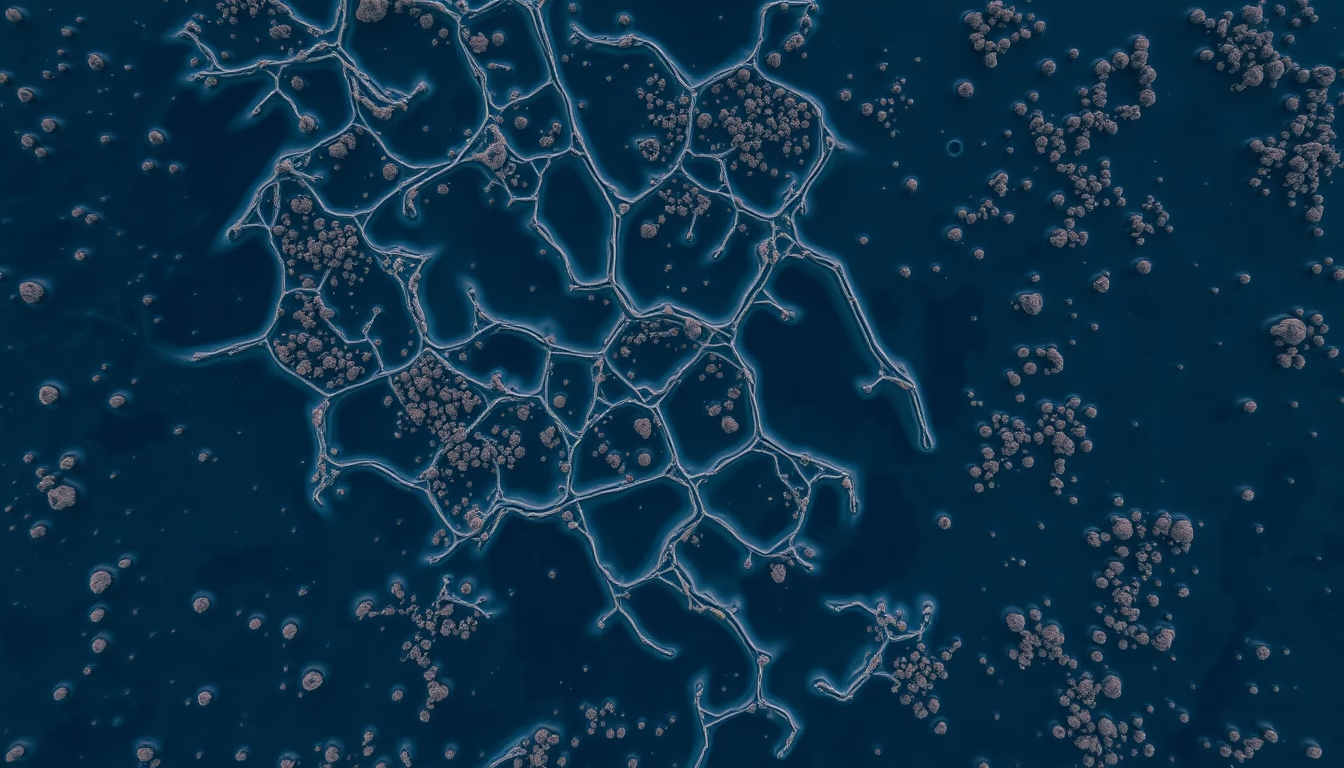
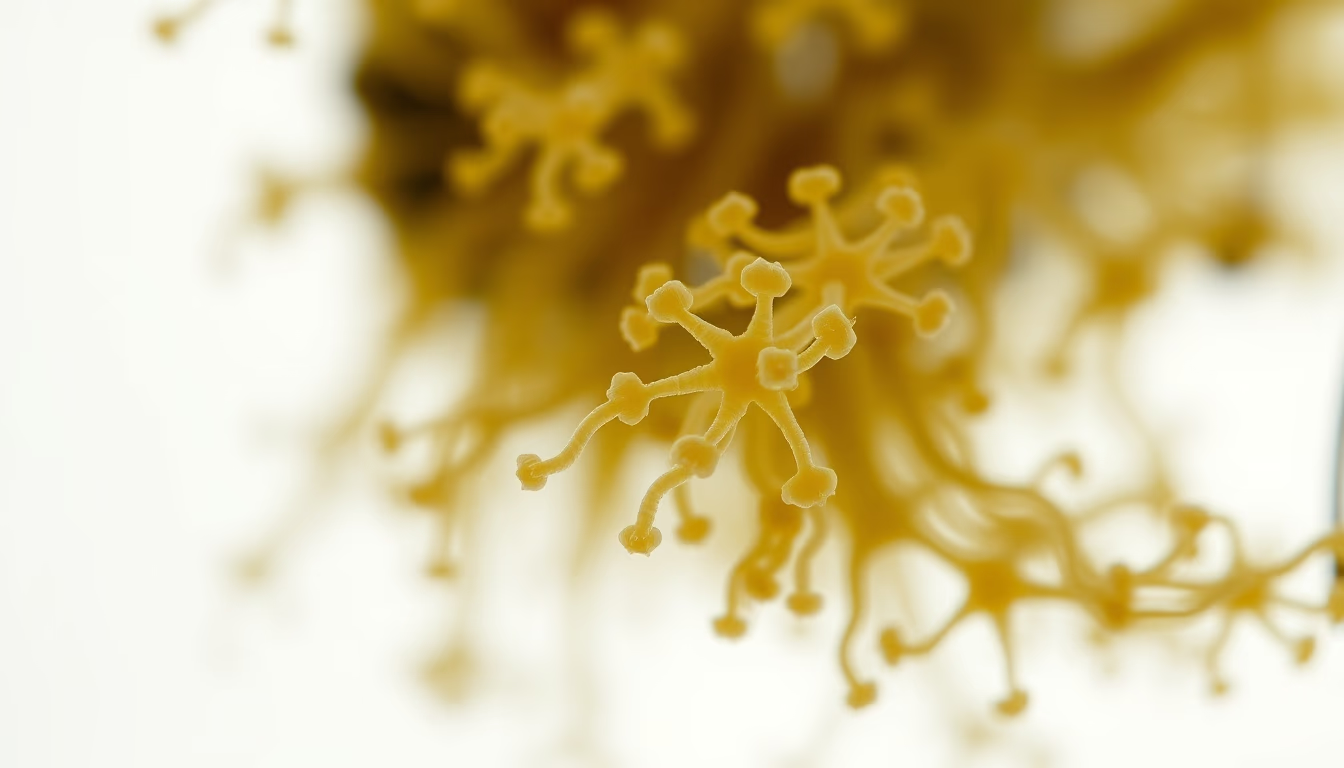
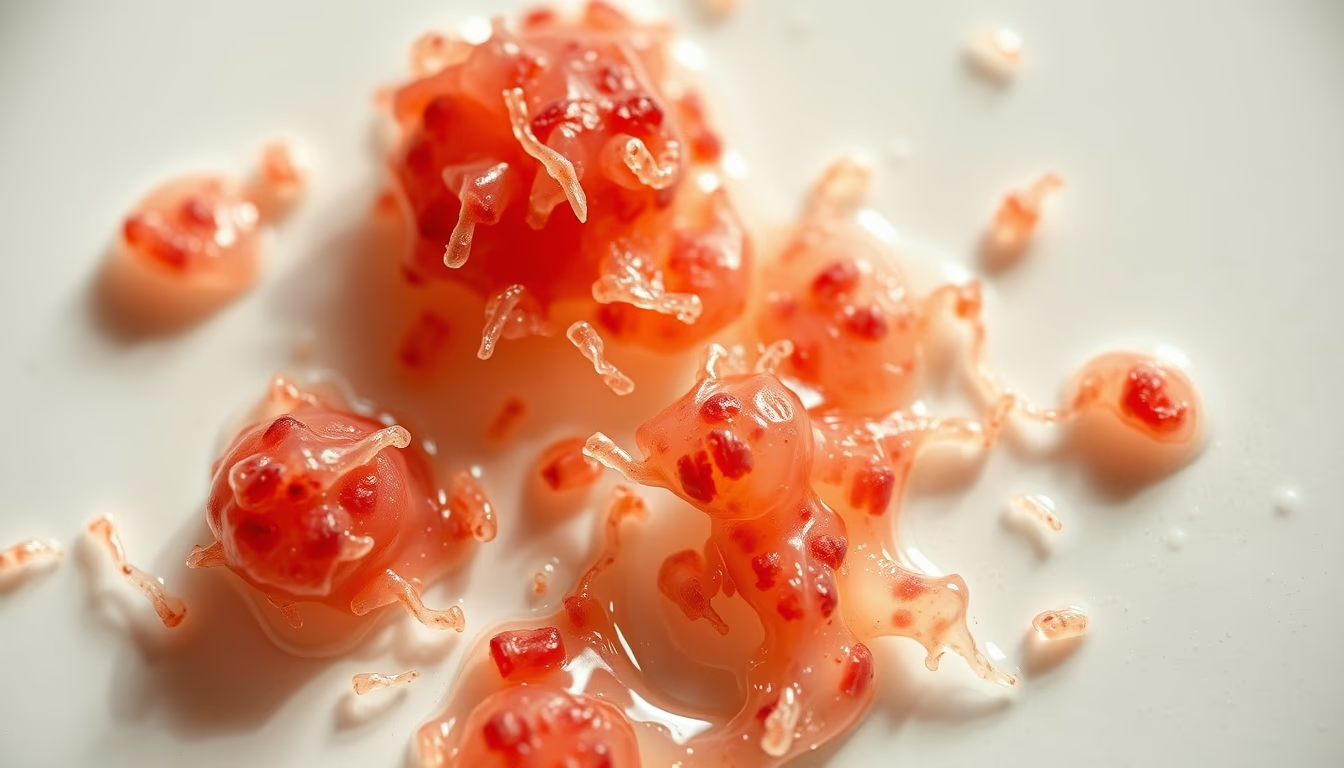
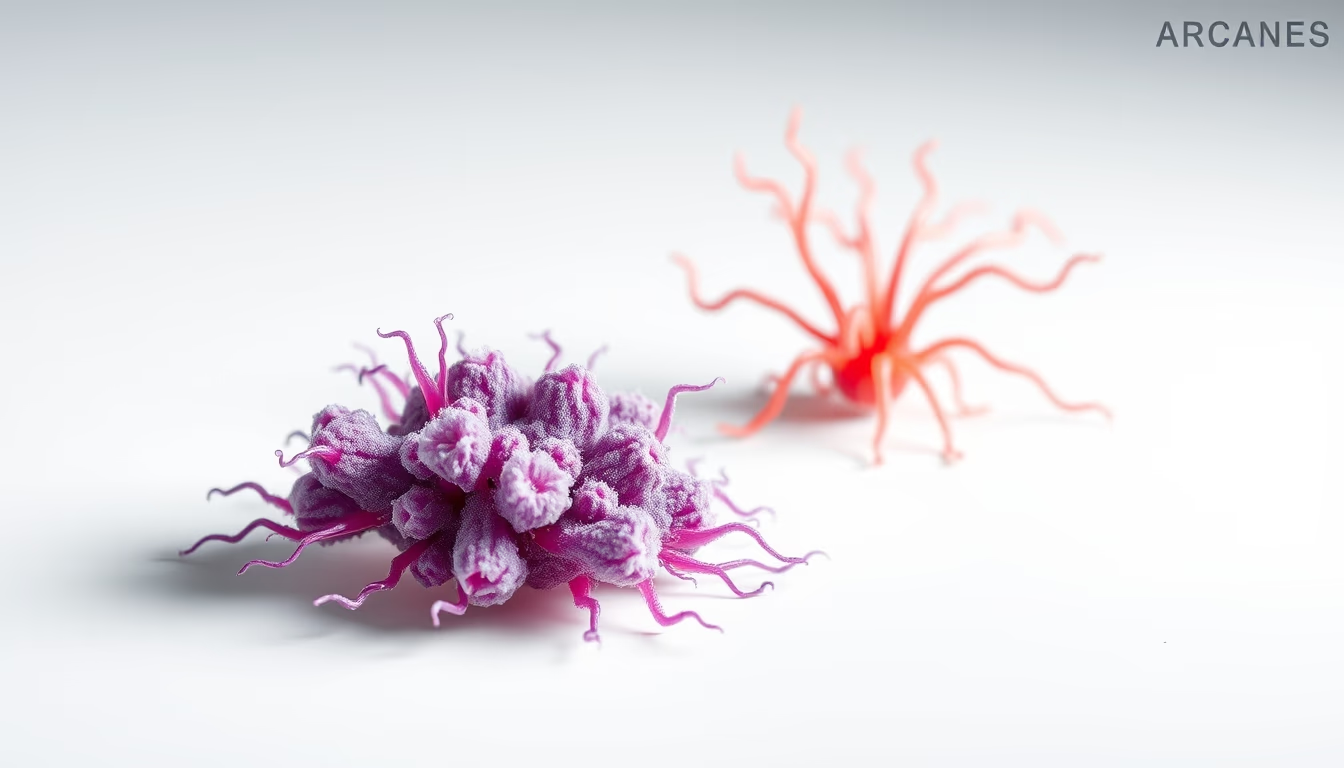
Biofilm bacterial slime consists of microbial communities encased in a viscous matrix, prevalent in aquatic environments and medical surfaces, and crucial for ecological and industrial processes.
About this subject
Biofilm bacterial slime consists of complex microbial communities attached to surfaces and encased in a self-produced extracellular polymeric substance (EPS). This matrix, composed of polysaccharides, proteins, and DNA, protects bacteria from external threats such as antibiotics, disinfectants, and the immune system. Biofilm formation proceeds through stages: initial attachment to a surface, cell proliferation with EPS production, maturation into a three-dimensional structure, and eventual dispersal of cells to colonize new sites.
In nature, biofilms are ubiquitous. They form microbial mats in rivers, lakes, and oceans, influencing biogeochemical cycles. In hot springs like those in Yellowstone, thermophilic bacteria create colorful biofilm structures. In Brazil, biofilms are common in ecosystems such as the Pantanal and the Amazon, where they aid in organic matter decomposition and nutrient cycling. However, they also cause problems: in water pipes, they form slimy layers that clog plumbing; on medical devices like catheters and implants, they are sources of persistent, treatment-resistant infections.
The resistance of biofilms poses a major clinical and industrial challenge. Bacteria within biofilms can be up to a thousand times more tolerant to antibiotics than free-floating cells. This resistance is due to the physical barrier of EPS, the low metabolic activity of inner cells, and chemical communication among bacteria via quorum sensing. This mechanism regulates genes involved in virulence and EPS production. Strategies to combat biofilms include enzymes that degrade the matrix, quorum-sensing blockers, and anti-adhesive surface coatings.
Despite their negative aspects, biofilms have beneficial applications. In bioremediation, biofilms are used to degrade pollutants in soil and water. In the food industry, certain biofilms protect plants from pathogens. Ongoing research focuses on engineering microbial communities for biofuel production, wastewater treatment, and even creating biological sensors. Understanding biofilm biology continues to open new avenues for harnessing their potential while mitigating their harms.
Frequently Asked Questions
What is bacterial biofilm?
Bacterial biofilm is a community of microorganisms attached to a surface and encased in a sticky matrix of polysaccharides, proteins, and DNA. This structure protects bacteria and allows them to resist antibiotics and the immune system.
Where are biofilms found?
Biofilms are everywhere: on river rocks, inside water pipes, on teeth (dental plaque), on medical devices like catheters, and in extreme environments like hot springs. In Brazil, they are common in the Pantanal and the Amazon.
Why are biofilms difficult to treat?
The EPS matrix hinders penetration of antibiotics and disinfectants. Additionally, inner bacteria have slow metabolism, making them less susceptible to agents targeting actively growing cells. Quorum sensing also coordinates defense responses.
Direct URL
https://pub-c7d6a6ea828543ac903a74a341ccb2e1.r2.dev/imagens/biofilm-bacterial-slime-aerial-drone-shot-fresh13.avifHow to credit
Include a visible link back to UtilizAí. Copy one of the snippets below:
<a href="https://xn--utiliza-eza.com/en/midia/imagens/biofilm-bacterial-slime-aerial-drone-shot-fresh13">Biofilm bacterial slime</a> by <a href="https://xn--utiliza-eza.com">UtilizAí</a>, licensed under <a href="https://creativecommons.org/licenses/by/4.0/">CC BY 4.0</a>.
[Biofilm bacterial slime](https://xn--utiliza-eza.com/en/midia/imagens/biofilm-bacterial-slime-aerial-drone-shot-fresh13) by [UtilizAí](https://xn--utiliza-eza.com), CC BY 4.0
License: CC-BY-4.0