Bayon temple faces
1344×768 · AVIF · CC BY 4.0
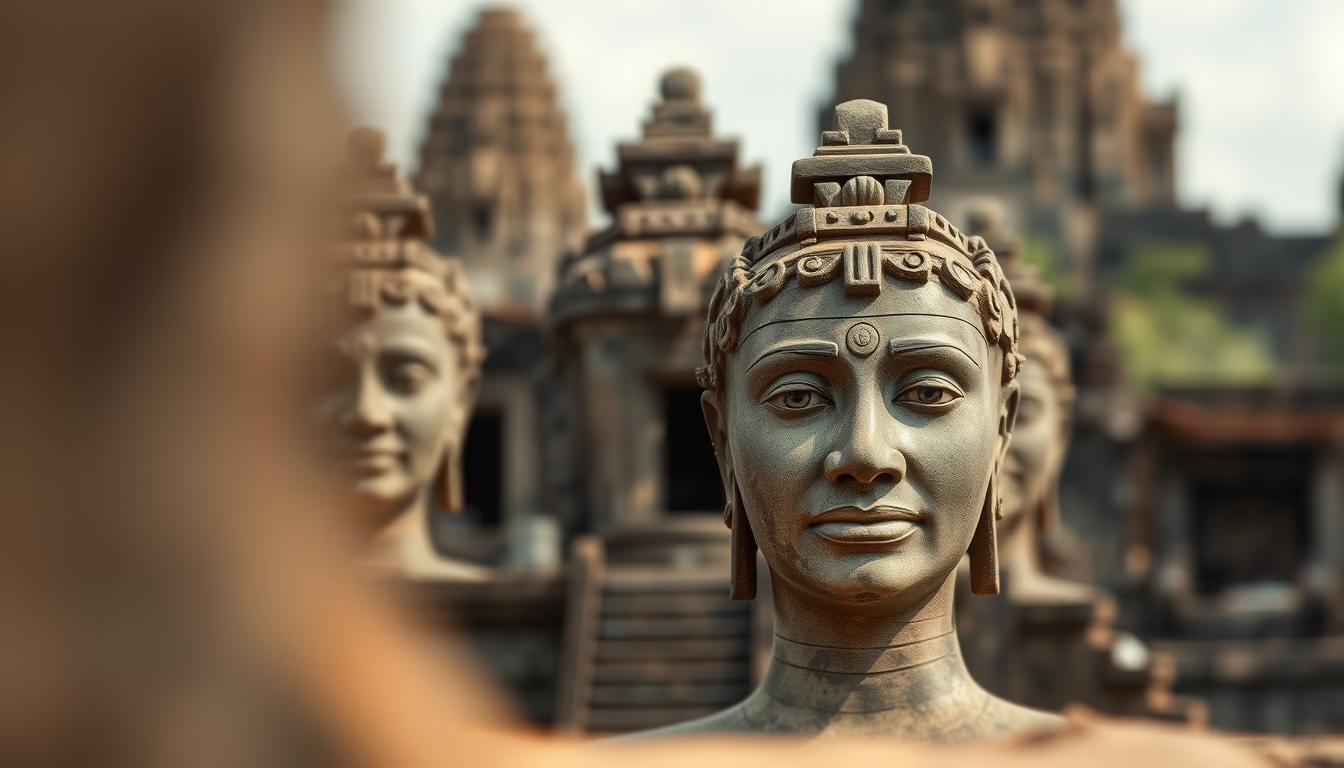
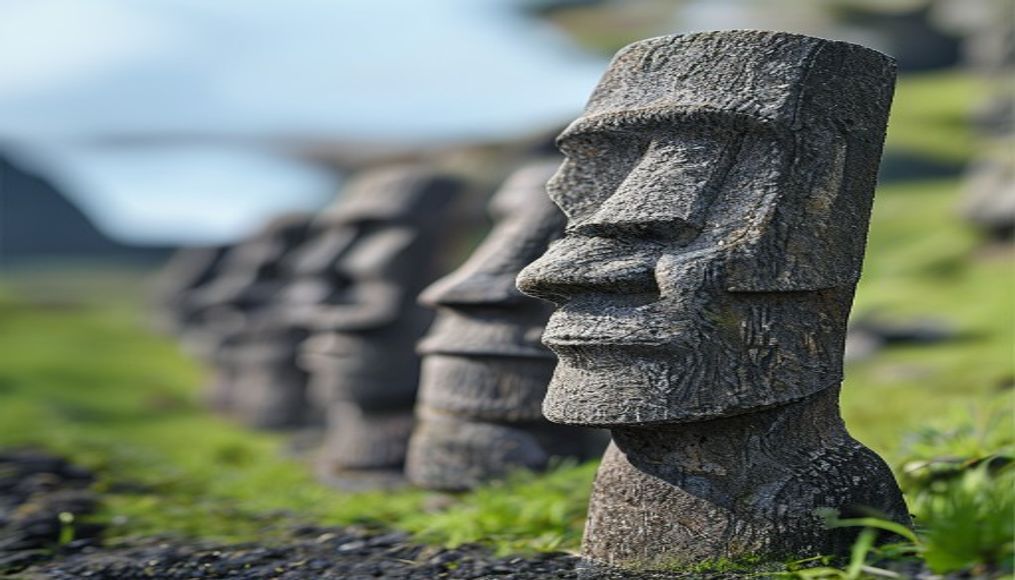
The iconic stone faces of Bayon temple in Angkor Thom, Cambodia, carved in the 12th century, remain one of the greatest enigmas of Khmer art.
About this subject
Bayon temple, located in the heart of Angkor Thom in Cambodia, is one of the most iconic monuments of the Khmer Empire. Built in the late 12th and early 13th centuries by King Jayavarman VII, the temple is renowned for its more than 200 massive stone faces carved into its towers. These faces, with serene smiles and half-closed eyes, are often identified as representations of Avalokiteshvara, the bodhisattva of compassion in Mahayana Buddhism, or as King Jayavarman VII himself, who considered himself a divine monarch.
Bayon stands out from other Angkor temples due to its unique architectural style: a series of towers with faces facing the four cardinal directions, creating a sense of omnipresence and vigilance. The temple is believed to have served as a religious and administrative center, symbolizing the sacred Mount Meru. The faces, numbering 216, are arranged on 54 towers, each with four faces, though many are partially destroyed or overgrown with vegetation.
Interestingly, Bayon underwent several modifications over the centuries, including later additions of Theravada Buddhist elements. The bas-reliefs in the temple's galleries depict scenes from daily life in the Khmer Empire, battles, and Hindu mythology. Since 1992, Bayon has been part of the UNESCO World Heritage Site, attracting millions of visitors who seek to unravel the mystery behind the faces that seem to watch every corner of the temple.
Frequently Asked Questions
How many faces are there at Bayon temple?
Bayon has 216 stone faces, arranged on 54 towers, each with four faces facing the cardinal directions.
Who is depicted by the Bayon faces?
There is debate among historians: the faces may represent Avalokiteshvara, the bodhisattva of compassion, or King Jayavarman VII as a divine monarch.
Why was Bayon temple built?
Bayon was built as the central temple of Angkor Thom, serving as a religious and administrative center of the Khmer Empire, and symbolizing the sacred Mount Meru.
Direct URL
https://pub-c7d6a6ea828543ac903a74a341ccb2e1.r2.dev/imagens/bayon-temple-faces-tilt-shift-miniature-p10.avifHow to credit
Include a visible link back to UtilizAí. Copy one of the snippets below:
<a href="https://xn--utiliza-eza.com/en/midia/imagens/bayon-temple-faces-tilt-shift-miniature-p10">Bayon temple faces</a> by <a href="https://xn--utiliza-eza.com">UtilizAí</a>, licensed under <a href="https://creativecommons.org/licenses/by/4.0/">CC BY 4.0</a>.
[Bayon temple faces](https://xn--utiliza-eza.com/en/midia/imagens/bayon-temple-faces-tilt-shift-miniature-p10) by [UtilizAí](https://xn--utiliza-eza.com), CC BY 4.0
License: CC-BY-4.0