Bayon temple faces
1344×768 · AVIF · CC BY 4.0
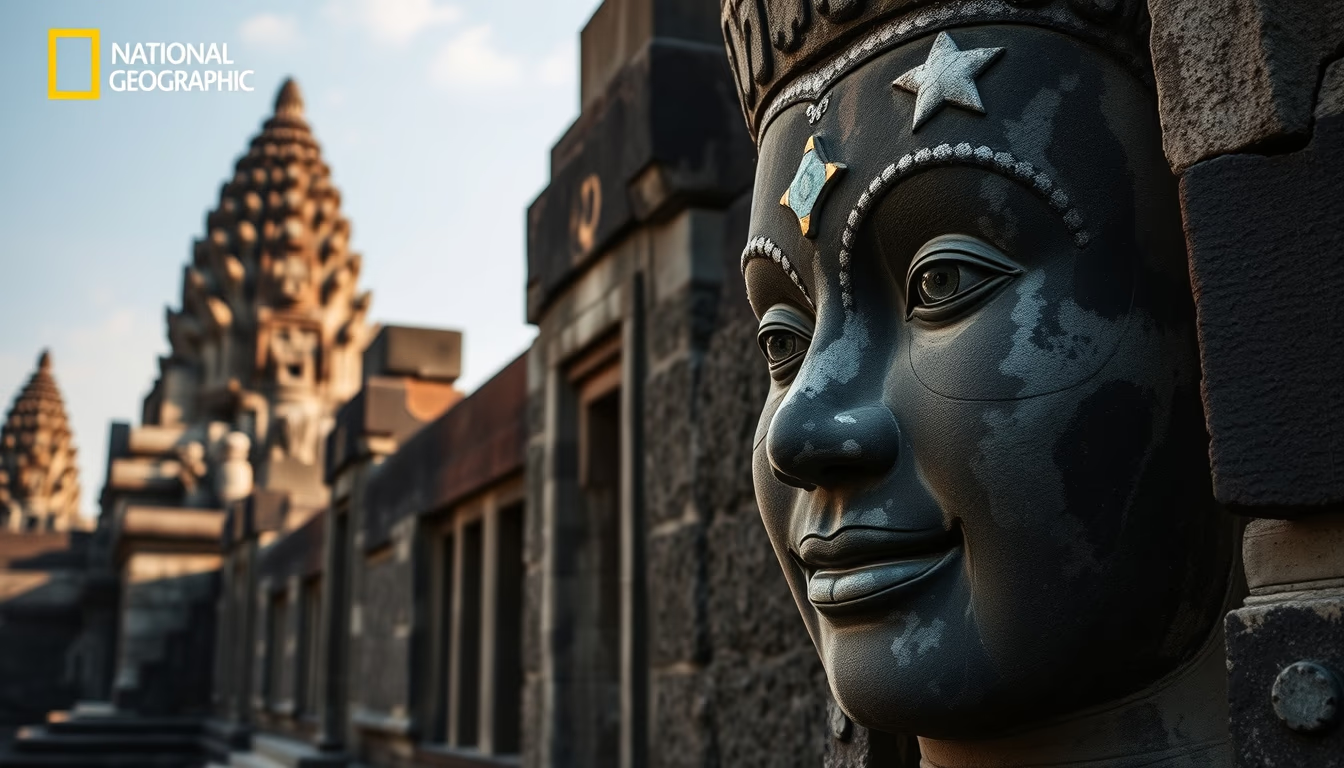
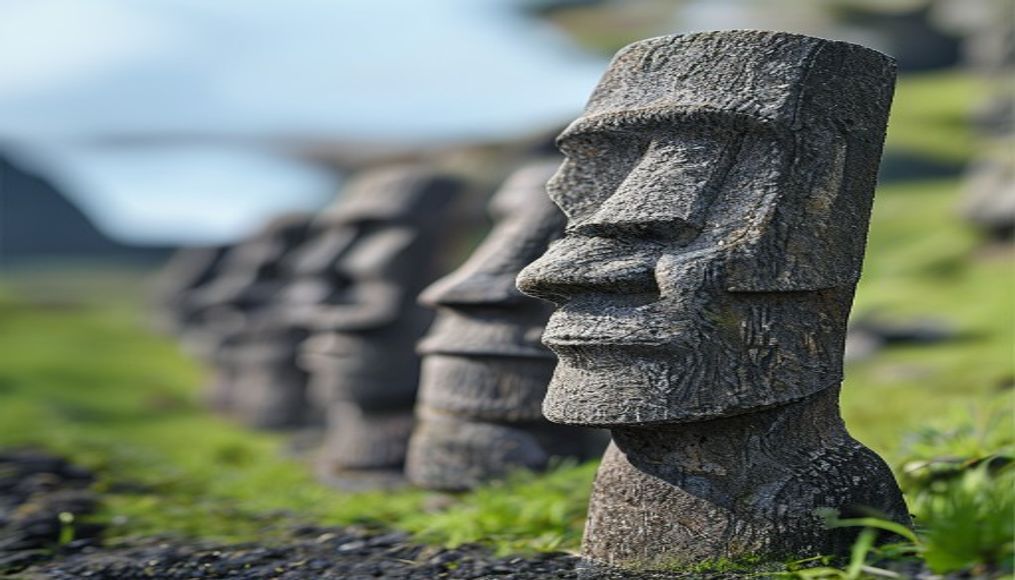
The iconic stone faces of Bayon Temple in Angkor Thom, Cambodia, depict King Jayavarman VII as the bodhisattva Avalokiteshvara.
About this subject
Bayon Temple is one of the most striking monuments in the Angkor complex, located at the heart of Angkor Thom, the ancient capital of the Khmer Empire. Built in the late 12th century under King Jayavarman VII, Bayon is famous for its numerous stone towers adorned with carved faces. There are over 200 faces, each with a serene expression and half-closed eyes, gazing at visitors from every angle.
The faces represent the bodhisattva Avalokiteshvara from Mahayana Buddhism, but they are also widely interpreted as a depiction of King Jayavarman VII himself, who proclaimed himself a god-king. This duality reflects the fusion between the Hindu cult of Shiva and Buddhism that characterized the period. Each face features distinct details such as finely carved eyelashes and eyebrows, showcasing the Khmer artisans' mastery.
The temple is known for its unique architecture, with towers rising at different levels reminiscent of a sacred mountain. Originally a Buddhist temple, Bayon underwent modifications after Jayavarman VII's death that incorporated Hindu elements. Among the curiosities, many faces have been restored over decades, some with modern additions. Bayon has been a UNESCO World Heritage site since 1992 and attracts millions of tourists annually, making it one of Cambodia's most photographed symbols.
Frequently Asked Questions
How many faces are there at Bayon Temple?
There are over 200 carved faces on the towers of Bayon, though the exact number may vary due to restorations and different counting methods.
What do the faces at Bayon represent?
The faces represent the bodhisattva Avalokiteshvara from Mahayana Buddhism, but they are also linked to King Jayavarman VII, who considered himself a god-king.
When is the best time to visit Bayon?
The best time is during the dry season, from November to February, when the weather is pleasant and the sunlight highlights the intricate carvings.
Direct URL
https://pub-c7d6a6ea828543ac903a74a341ccb2e1.r2.dev/imagens/bayon-temple-faces-national-geographic-style-p1.avifHow to credit
Include a visible link back to UtilizAí. Copy one of the snippets below:
<a href="https://xn--utiliza-eza.com/en/midia/imagens/bayon-temple-faces-national-geographic-style-p1">Bayon temple faces</a> by <a href="https://xn--utiliza-eza.com">UtilizAí</a>, licensed under <a href="https://creativecommons.org/licenses/by/4.0/">CC BY 4.0</a>.
[Bayon temple faces](https://xn--utiliza-eza.com/en/midia/imagens/bayon-temple-faces-national-geographic-style-p1) by [UtilizAí](https://xn--utiliza-eza.com), CC BY 4.0
License: CC-BY-4.0