Bassoon double reed
1344×768 · AVIF · CC BY 4.0
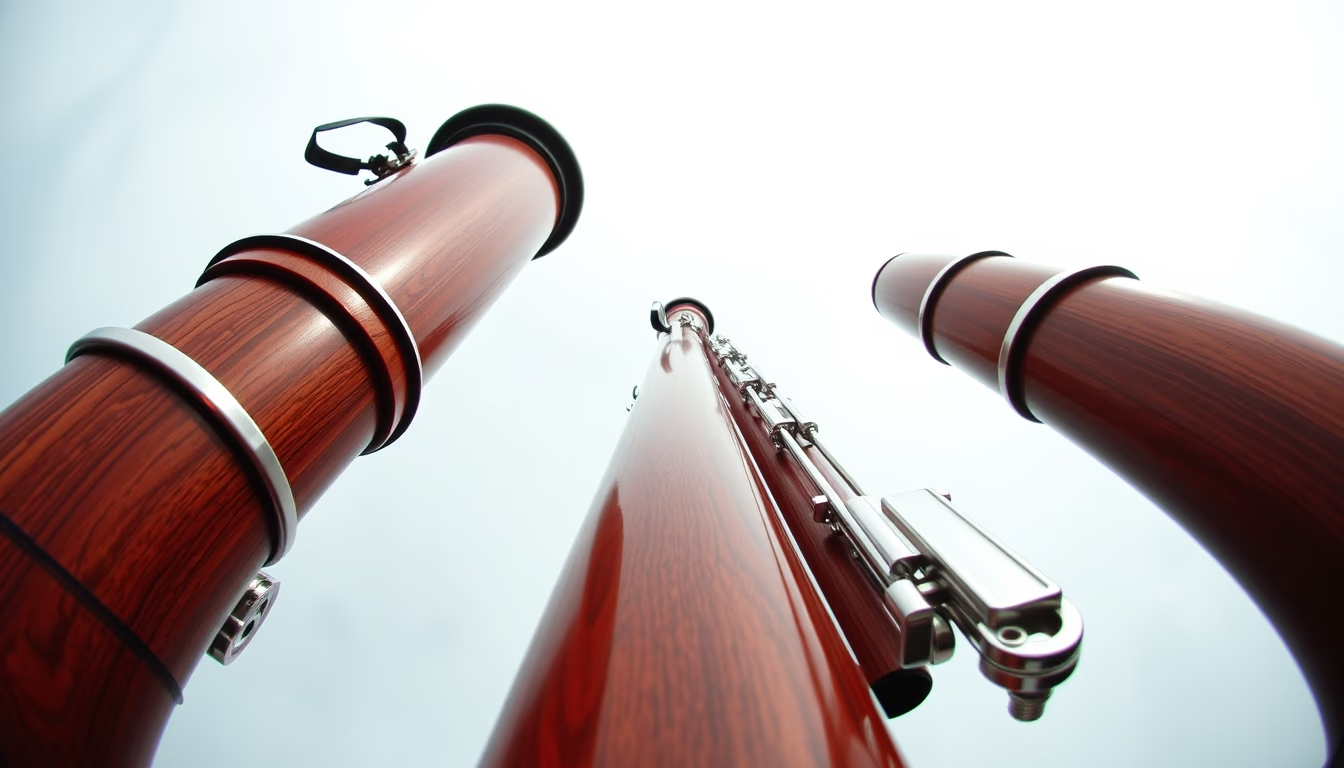
The bassoon's double reed, an essential component in producing its distinctive timbre, is handcrafted from two thin blades of Arundo donax cane.
About this subject
The bassoon's double reed is one of the most critical elements for the instrument's sound. Unlike single reeds used in clarinets or saxophones, the double reed consists of two blades of cane (Arundo donax) that vibrate against each other when the musician blows. This vibration produces the bassoon's characteristic deep, rich, slightly nasal tone.
The manufacturing process is highly artisanal and requires great skill. The craftsman cuts the cane into sections, removes the pith, and shapes it into a specific form. The two halves are tied onto a metal tube (the tube) with copper or nylon thread. The tip of the reed is scraped with a blade to achieve the ideal thickness, a millimeter-thin layer that determines response, pitch, and timbre. Each reed is unique, and bassoonists often adjust theirs to suit their style and repertoire.
The cane used comes primarily from regions such as southern France, California, and Argentina, where climate and soil promote proper growth. Cane quality directly impacts durability and sound. A well-made reed can last from a few weeks to months, depending on use and maintenance.
Historically, the double reed evolved from ancient reed instruments like the Greek aulos and the Armenian duduk. In the bassoon, it has been present since the 16th century when the instrument became established in the orchestra. Compared to the oboe reed, the bassoon reed is larger and wider, allowing the production of low frequencies. The relationship between musician and reed is intimate: many bassoonists spend hours adjusting and scraping their own reeds to achieve the desired sound.
Frequently Asked Questions
How is the bassoon double reed made?
The reed is handmade from two blades of Arundo donax cane, which are cut, shaped, tied onto a metal tube, and scraped at the tip to the ideal thickness.
Why is the bassoon reed larger than the oboe reed?
Because the bassoon is a low-pitched instrument, requiring more air mass and slower vibration. The larger reed allows efficient production of low frequencies.
How long does a bassoon reed last?
Durability ranges from a few weeks to a few months, depending on usage intensity, cane quality, and adjustments made by the musician.
Direct URL
https://pub-c7d6a6ea828543ac903a74a341ccb2e1.r2.dev/imagens/bassoon-double-reed-fish-eye-wide-angle-p3.avifHow to credit
Include a visible link back to UtilizAí. Copy one of the snippets below:
<a href="https://xn--utiliza-eza.com/en/midia/imagens/bassoon-double-reed-fish-eye-wide-angle-p3">Bassoon double reed</a> by <a href="https://xn--utiliza-eza.com">UtilizAí</a>, licensed under <a href="https://creativecommons.org/licenses/by/4.0/">CC BY 4.0</a>.
[Bassoon double reed](https://xn--utiliza-eza.com/en/midia/imagens/bassoon-double-reed-fish-eye-wide-angle-p3) by [UtilizAí](https://xn--utiliza-eza.com), CC BY 4.0
License: CC-BY-4.0