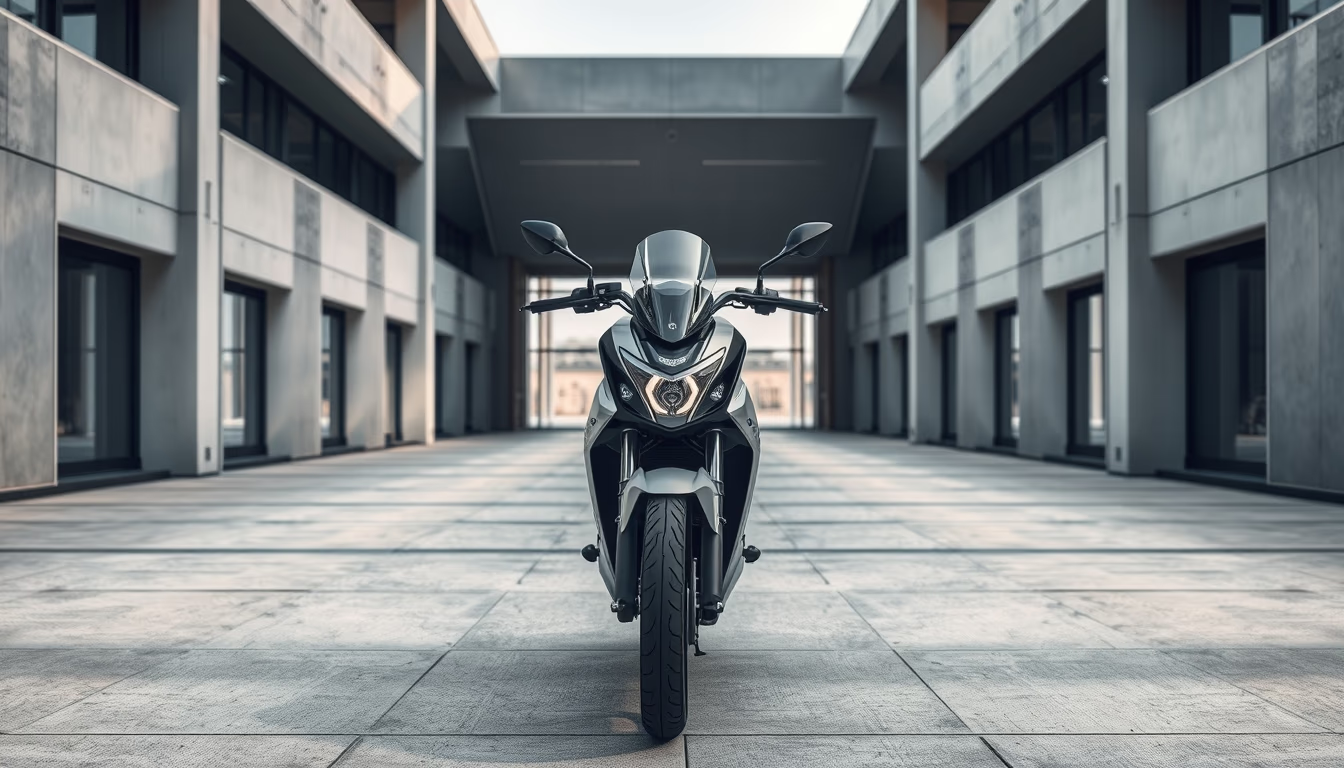
Autonomous delivery robot
1344×768 · AVIF · CC BY 4.0
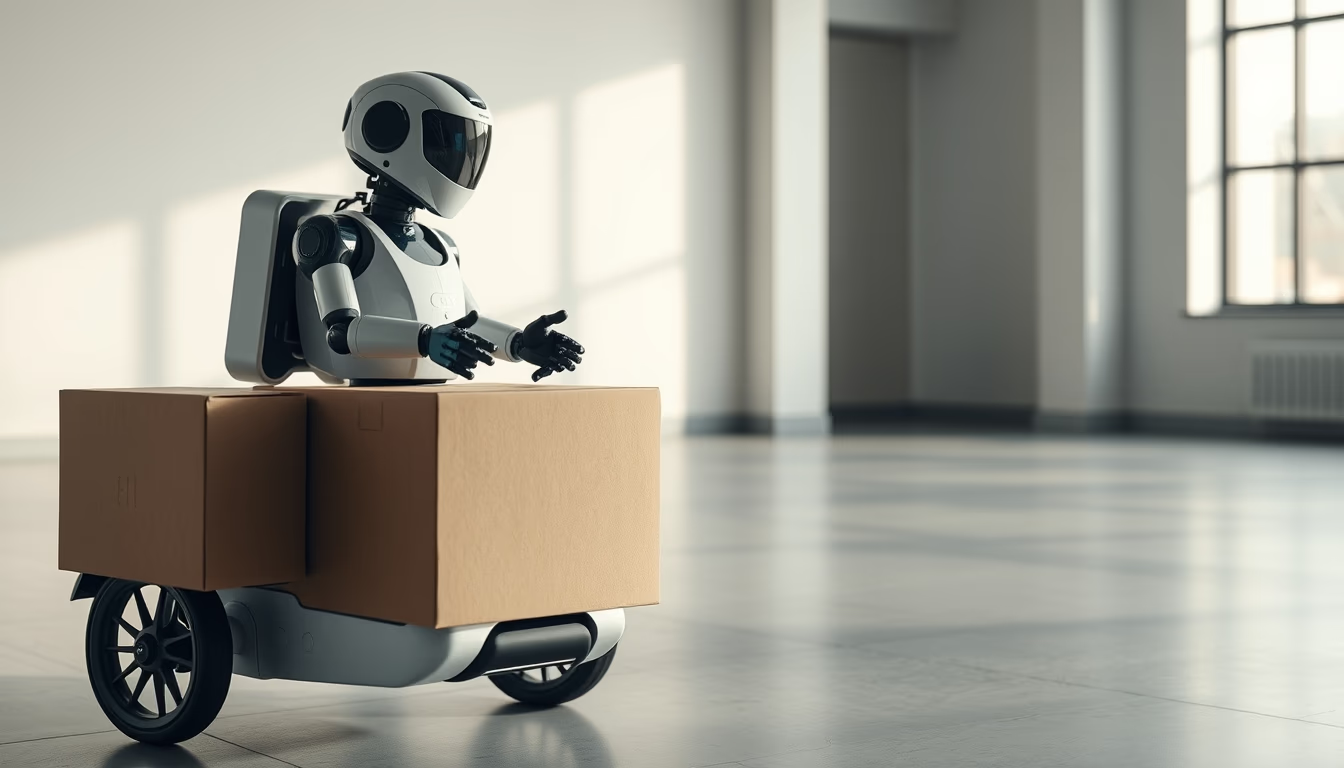
Autonomous delivery robots are revolutionizing urban logistics with efficiency and sustainability.
About this subject
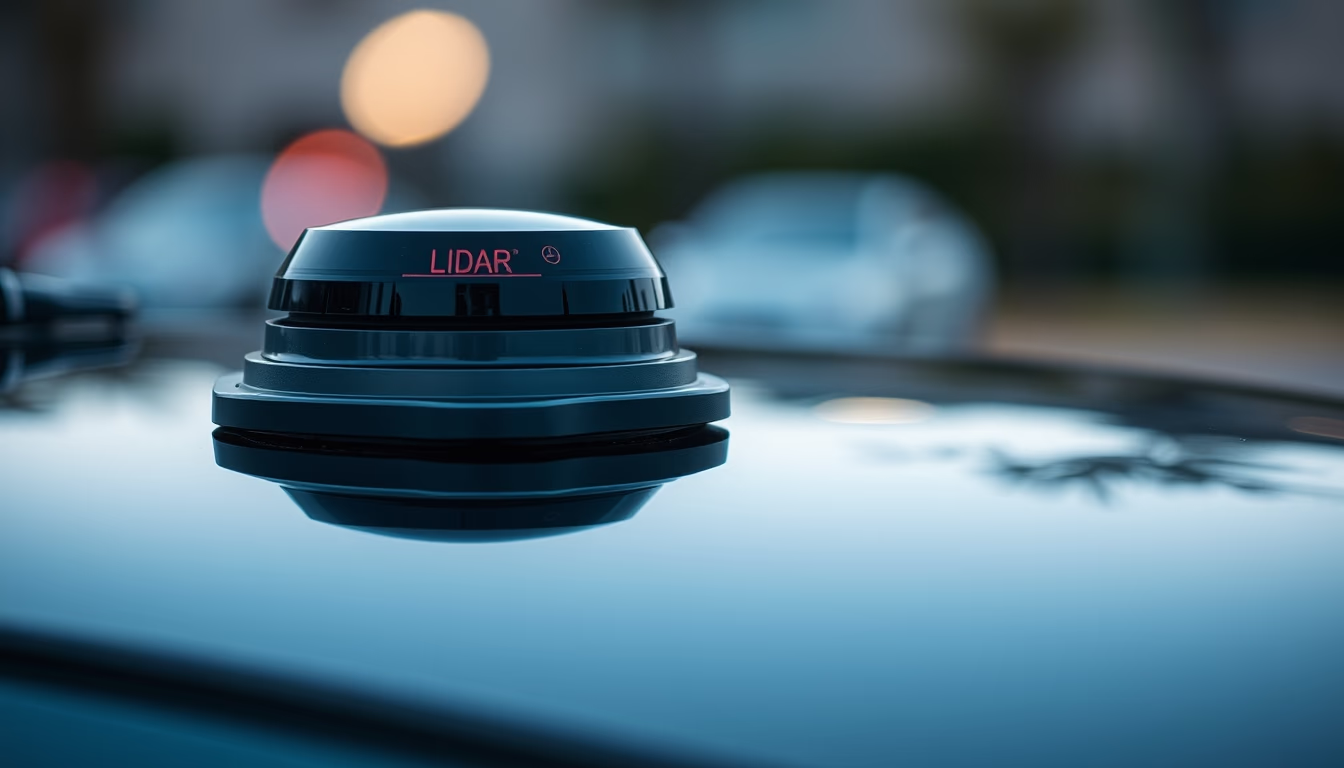
Autonomous delivery robots are unmanned ground vehicles designed to transport goods from a collection point to the final recipient. Typically equipped with LiDAR sensors, 3D cameras, and GPS navigation systems, these robots can safely move along sidewalks, crosswalks, and public roads. Companies such as Starship Technologies, Nuro, and Amazon Scout already operate fleets in cities across the United States, Europe, and Asia, completing food, medicine, and package deliveries in as little as 30 minutes.
The operation relies on artificial intelligence algorithms that recognize obstacles, traffic lights, and pedestrians. Most robots travel at reduced speeds, between 5 and 10 km/h, to ensure safety. The global market for delivery robots is projected to reach US$34 billion by 2026, driven by demand for fast deliveries and labor shortages in logistics. Countries like Japan and South Korea are testing hybrid models that combine robots with drones to reach remote areas.
In Brazil, use is still incipient, but startups such as PecDog and iFood are conducting trials in condominiums and planned neighborhoods. Regulation by the National Transit Council (CONTRAN) does not yet cover these vehicles, creating legal challenges. However, the potential is enormous: high-density cities like São Paulo and Rio de Janeiro could benefit from reduced congestion and carbon emissions provided by these robots.
Interestingly, the first commercial autonomous delivery robot was launched in 2016 by Starship in Estonia. Since then, over 1 million deliveries have been made globally. The robots have rechargeable batteries that last up to 8 hours and can be remotely monitored by control centers. The main barriers remain pedestrian interaction and vandalism, leading to the development of more robust designs and anti-theft systems.
Frequently Asked Questions
Are autonomous delivery robots safe to operate on sidewalks?
Yes, they are equipped with sensors and algorithms that detect pedestrians and obstacles, automatically reducing speed. They operate at low speeds (5 to 10 km/h) and follow local safety standards.
How long does it take for a delivery robot to complete a delivery?
Depending on distance, in typical urban areas deliveries are completed within 15 to 30 minutes, including loading time and travel.
What are the main challenges for mass adoption in Brazil?
Lack of specific regulations, inadequate urban infrastructure (uneven sidewalks), and concerns about vandalism and security are the biggest barriers.
Direct URL
https://pub-c7d6a6ea828543ac903a74a341ccb2e1.r2.dev/imagens/autonomous-delivery-robot-minimalist-composition-p2.avifHow to credit
Include a visible link back to UtilizAí. Copy one of the snippets below:
<a href="https://xn--utiliza-eza.com/en/midia/imagens/autonomous-delivery-robot-minimalist-composition-p2">Autonomous delivery robot</a> by <a href="https://xn--utiliza-eza.com">UtilizAí</a>, licensed under <a href="https://creativecommons.org/licenses/by/4.0/">CC BY 4.0</a>.
[Autonomous delivery robot](https://xn--utiliza-eza.com/en/midia/imagens/autonomous-delivery-robot-minimalist-composition-p2) by [UtilizAí](https://xn--utiliza-eza.com), CC BY 4.0
License: CC-BY-4.0