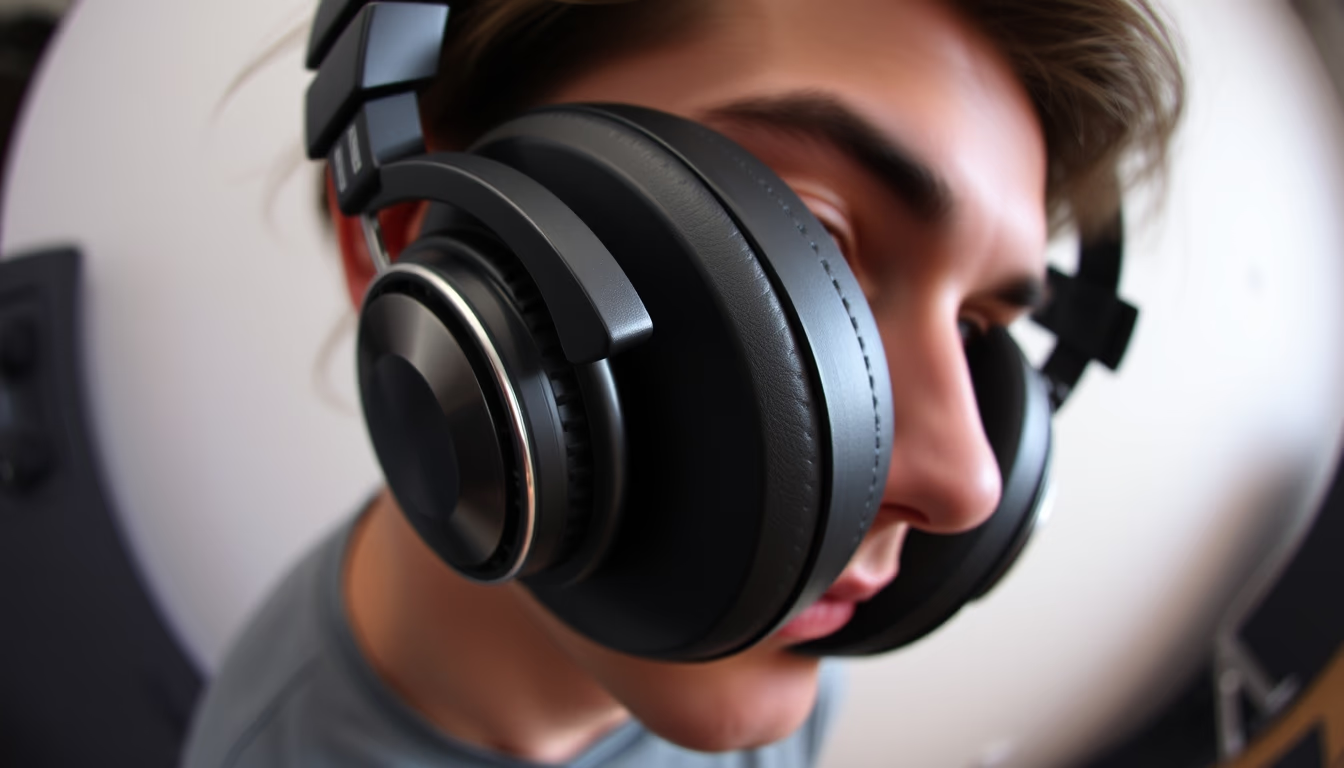
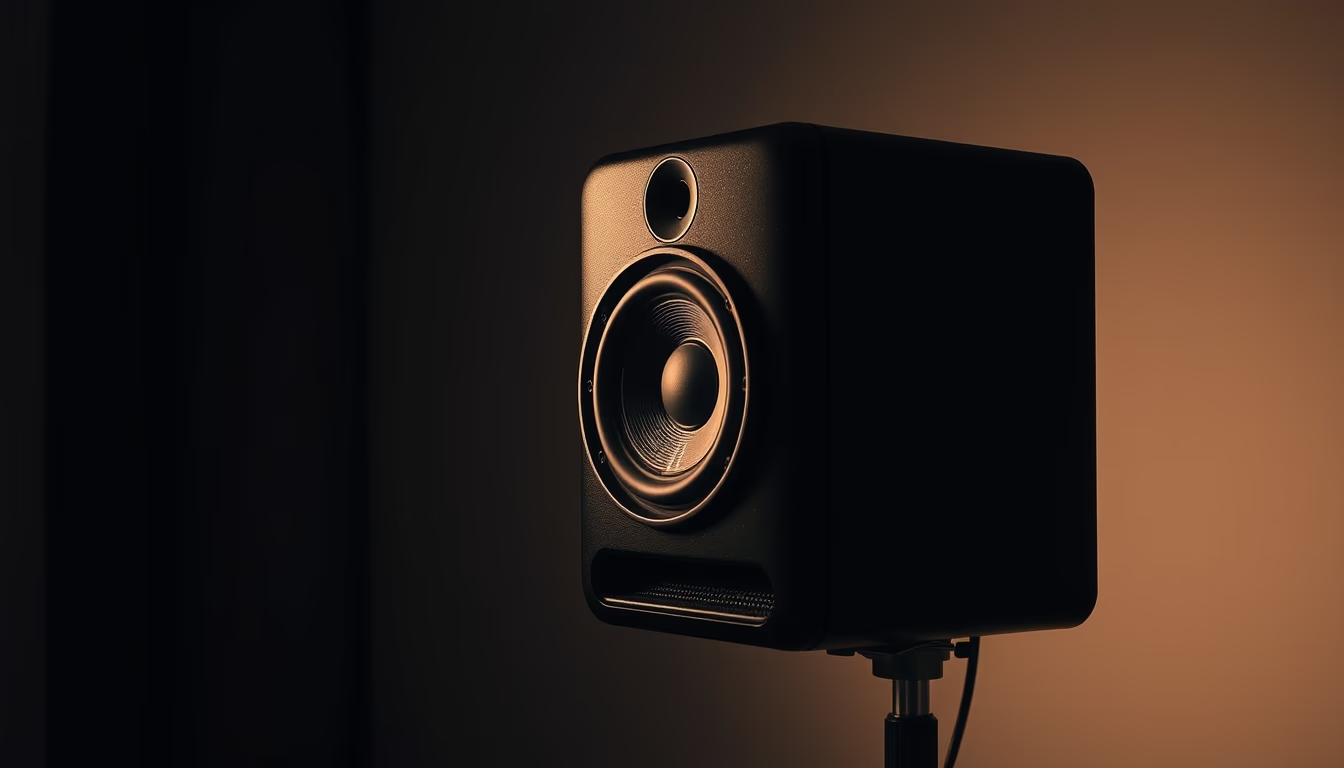
Audiophile headphones planar
1344×768 · AVIF · CC BY 4.0

Planar magnetic audiophile headphones deliver ultra-low distortion and high fidelity sound, ideal for critical listening and studio mixing.
About this subject
Planar magnetic headphones are a pinnacle of high-fidelity audio technology, favored by audiophiles and studio engineers for their ultra-low distortion and precise sound reproduction. Unlike dynamic drivers, which use a voice coil attached to a diaphragm, planar drivers feature a thin conductive membrane suspended between two arrays of magnets. When an audio signal passes through the membrane, it moves uniformly, creating sound waves with exceptional speed and accuracy. This design minimizes phase distortion and allows for detailed rendering of transients, making planars ideal for critical listening and mixing.
The concept dates back to the 1970s with Yamaha's YH-1 prototype, but modern planar headphones gained traction in the 2000s through brands like Audeze, HiFiMAN, and Oppo. Today, models range from affordable entry-level units to flagship statement pieces costing thousands of dollars. In professional studios, planars are used for mastering and quality control due to their neutral frequency response and ability to reveal artifacts in recordings. However, they often require dedicated headphone amplifiers because of low sensitivity and impedance characteristics.
One notable technical aspect is the push-pull magnetic array: the membrane is driven from both sides, which cancels out even-order harmonic distortion and improves linearity. The diaphragm itself is typically made of a thin polymer film with printed conductive traces, making it lightweight yet responsive. The open-back design of most planar headphones creates a spacious soundstage but also leaks sound and lacks isolation, limiting their use in noisy environments. Closed-back planars exist but are rarer and often heavier.
For the global audience, planar headphones have become synonymous with high-end audio, competing with electrostatic designs. Brands like Dan Clark Audio, Monolith, and Fostex have introduced variations using differently shaped magnets and diaphragms. When choosing a pair, factors such as comfort, weight, and compatibility with audio sources are paramount. The market continues to evolve, with new materials like beryllium and graphene being explored for even better performance. An informed decision involves auditioning with familiar music and considering the listening chain from DAC to amplifier.
Frequently Asked Questions
Are planar magnetic headphones better than dynamic ones?
Not necessarily, but they offer lower distortion and faster transient response. They excel at detail retrieval, though they are often less efficient and require powerful amplifiers.
Do I need a special amplifier for planar headphones?
Yes, most planar models have low sensitivity and impedance, requiring dedicated amplifiers to reach adequate volume without distortion. High-end models often demand balanced amplification.
What is the advantage of planar headphones for mixing?
Their linear frequency response and low distortion allow accurate monitoring of mix details, helping with EQ decisions and balance adjustments. Audio professionals use them for critical mastering evaluation.
Direct URL
https://pub-c7d6a6ea828543ac903a74a341ccb2e1.r2.dev/imagens/audiophile-headphones-planar-studio-editorial-portrait-fresh3.avifHow to credit
Include a visible link back to UtilizAí. Copy one of the snippets below:
<a href="https://xn--utiliza-eza.com/en/midia/imagens/audiophile-headphones-planar-studio-editorial-portrait-fresh3">Audiophile headphones planar</a> by <a href="https://xn--utiliza-eza.com">UtilizAí</a>, licensed under <a href="https://creativecommons.org/licenses/by/4.0/">CC BY 4.0</a>.
[Audiophile headphones planar](https://xn--utiliza-eza.com/en/midia/imagens/audiophile-headphones-planar-studio-editorial-portrait-fresh3) by [UtilizAí](https://xn--utiliza-eza.com), CC BY 4.0
License: CC-BY-4.0