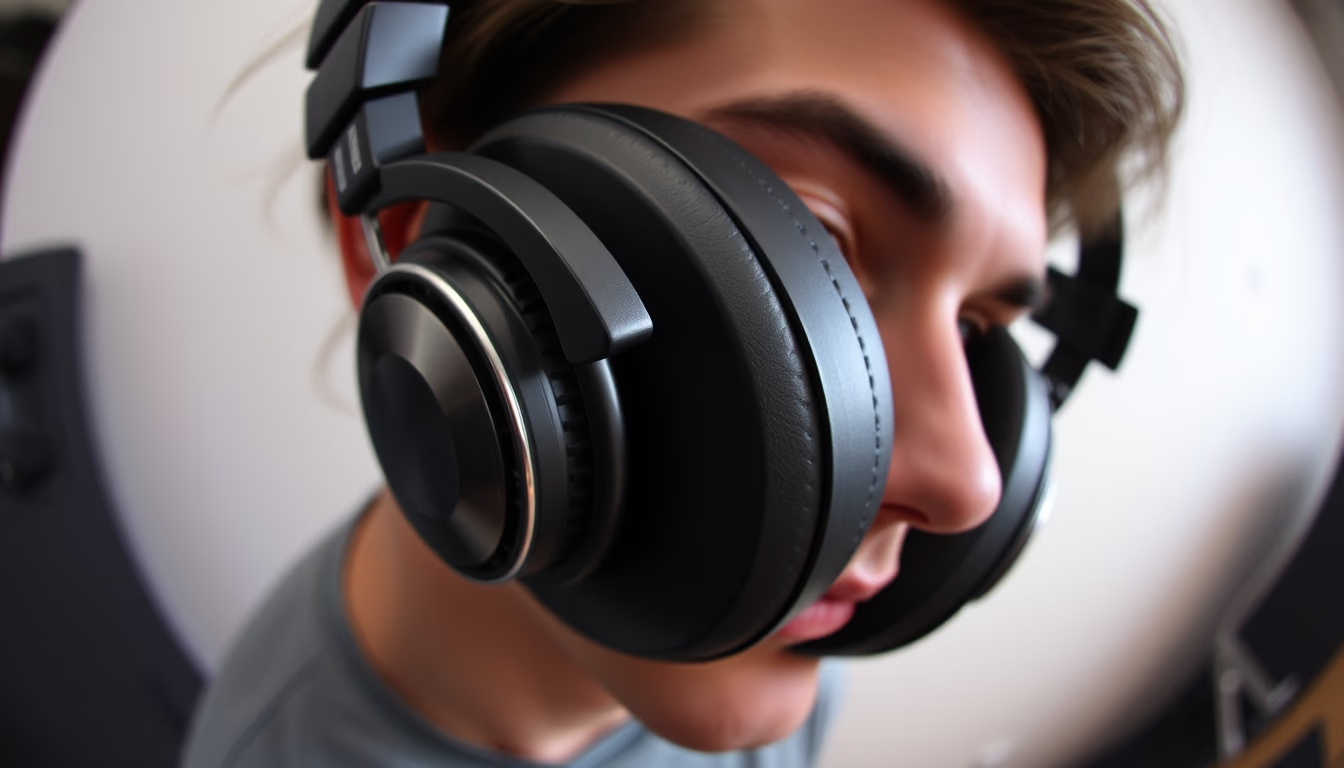
Audiophile headphones planar
1344×768 · AVIF · CC BY 4.0
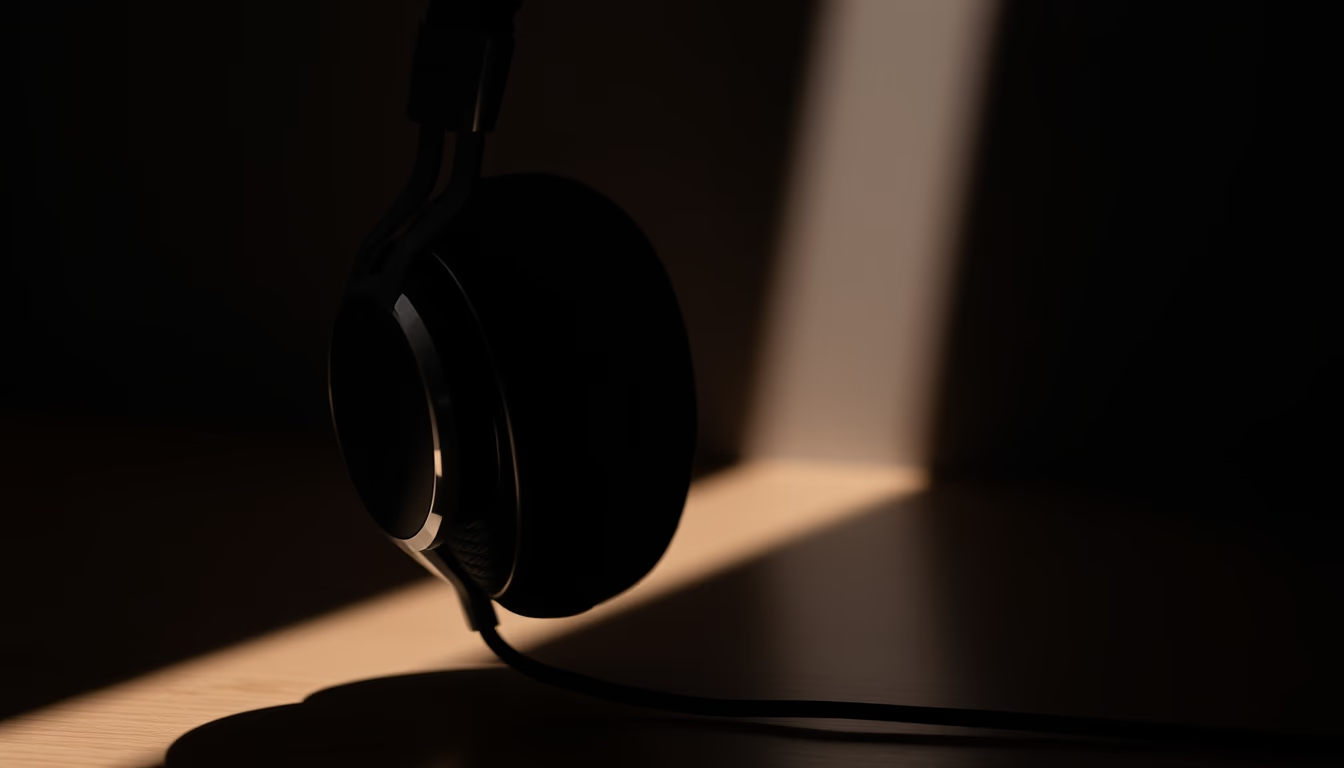
Planar magnetic headphones deliver high-fidelity sound using a thin diaphragm suspended between magnets, reducing distortion and producing precise bass.
About this subject
Planar magnetic headphones, also known as orthodynamic or isodynamic headphones, use a fundamentally different technology from traditional dynamic drivers. Instead of a voice coil attached to a cone, they employ an ultra-thin, flexible diaphragm (typically a plastic film with a printed conductive circuit) suspended between two arrays of permanent magnets. When the electrical audio signal passes through the circuit on the diaphragm, it moves uniformly in response to the magnetic fields, producing sound with extreme precision and low distortion.
This design allows the entire diaphragm to vibrate as a single surface, eliminating cone breakup and resonance artifacts common in dynamic drivers. As a result, planar headphones offer exceptional transient response, tight and detailed bass, and a more linear frequency response. The downside is weight and cost, because the neodymium magnets and supporting structure make these headphones heavier and more expensive than most dynamic models.
The planar magnetic technology was developed in the 1970s by pioneers such as Yamaha (model YH-1) and Koss, but faded for decades. In the 2000s, companies like Audeze, Hifiman, and Oppo revived the format with modern designs, high-performance magnets, and nanometric diaphragms. Today, brands like Focal, Dan Clark Audio, and Meze also produce iconic planars such as the Audeze LCD-4 and Hifiman Susvara, which are benchmarks among audiophiles.
To get the best performance from planar headphones, dedicated headphone amplifiers are recommended, because their low sensitivity demands more power than standard headphone outputs. Many audiophiles consider planars ideal for critical listening of classical music, jazz, and high-resolution recordings. While they don't entirely replace electrostatic headphones in ultimate transparency, planars strike a balance between realism and practicality that makes them popular in studios and among enthusiasts.
Frequently Asked Questions
What is the difference between planar and dynamic headphones?
Dynamic headphones use a voice coil and cone, while planars use a thin diaphragm suspended between magnets. This results in lower distortion, faster transient response, and more linear sound, but planars are typically heavier and more expensive.
Do I need a special amplifier for planar headphones?
Yes, most planar headphones have low sensitivity and high impedance, requiring a dedicated headphone amplifier with sufficient power to drive them properly and achieve their full sound quality.
Which brands are leading in planar headphones?
Audeze, Hifiman, Dan Clark Audio, Meze, and Focal produce iconic models such as the Audeze LCD-4, Hifiman Susvara, and Meze Elite, widely used by audiophiles and professionals.
Direct URL
https://pub-c7d6a6ea828543ac903a74a341ccb2e1.r2.dev/imagens/audiophile-headphones-planar-rembrandt-lighting-dramatic-shadows-fresh0.avifHow to credit
Include a visible link back to UtilizAí. Copy one of the snippets below:
<a href="https://xn--utiliza-eza.com/en/midia/imagens/audiophile-headphones-planar-rembrandt-lighting-dramatic-shadows-fresh0">Audiophile headphones planar</a> by <a href="https://xn--utiliza-eza.com">UtilizAí</a>, licensed under <a href="https://creativecommons.org/licenses/by/4.0/">CC BY 4.0</a>.
[Audiophile headphones planar](https://xn--utiliza-eza.com/en/midia/imagens/audiophile-headphones-planar-rembrandt-lighting-dramatic-shadows-fresh0) by [UtilizAí](https://xn--utiliza-eza.com), CC BY 4.0
License: CC-BY-4.0