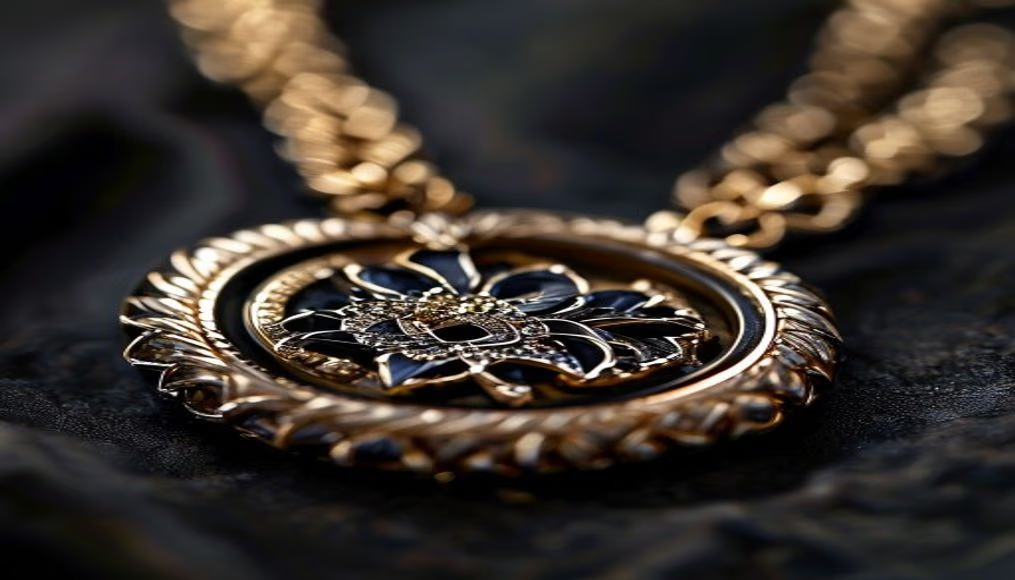
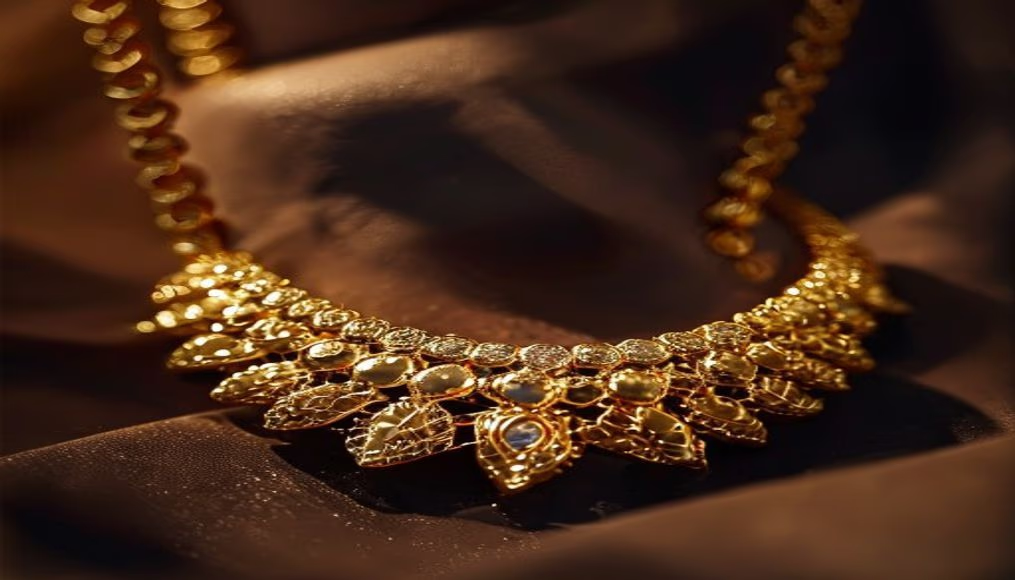
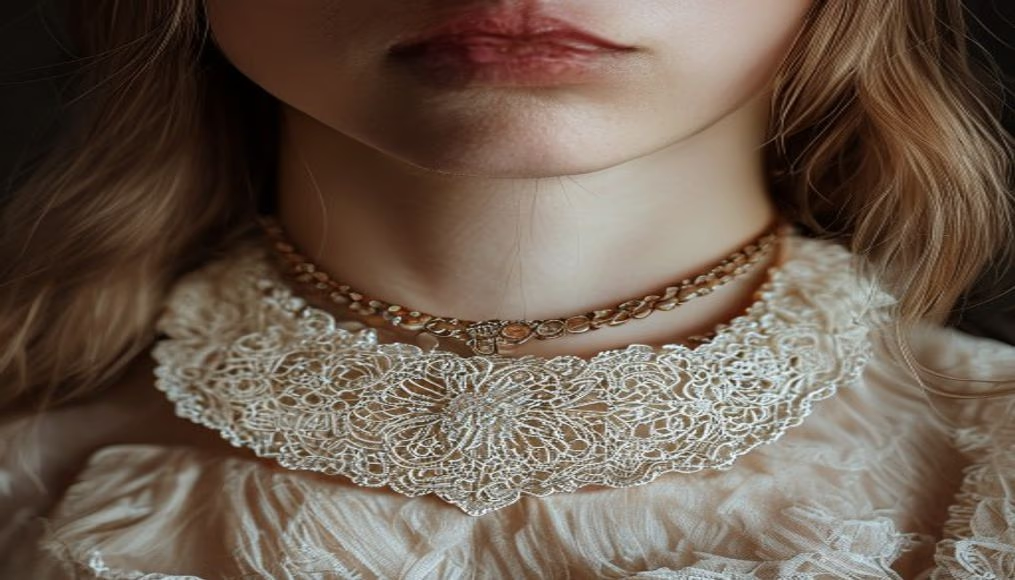
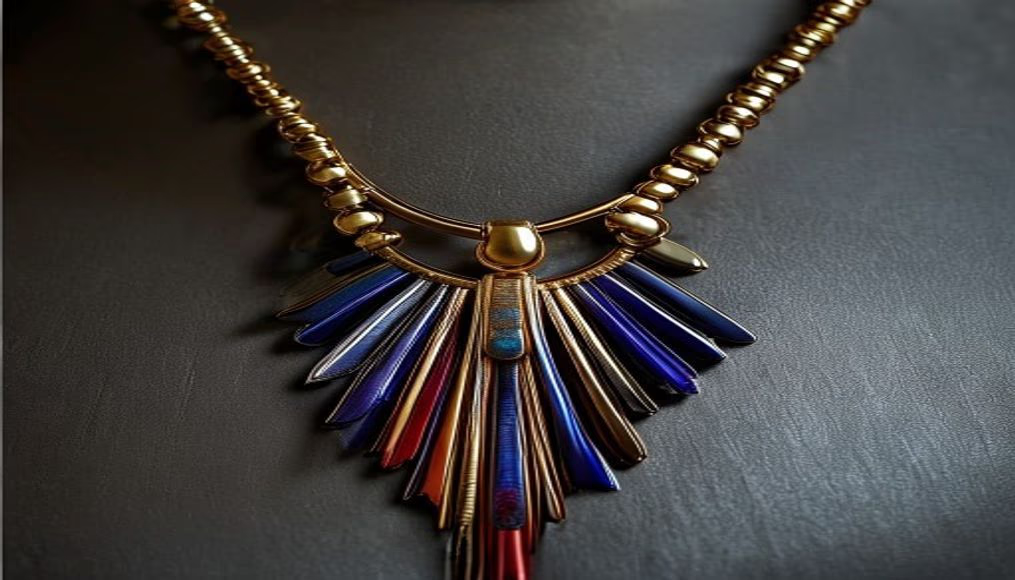
Art deco sapphire bracelet calibre
1344×768 · AVIF · CC BY 4.0
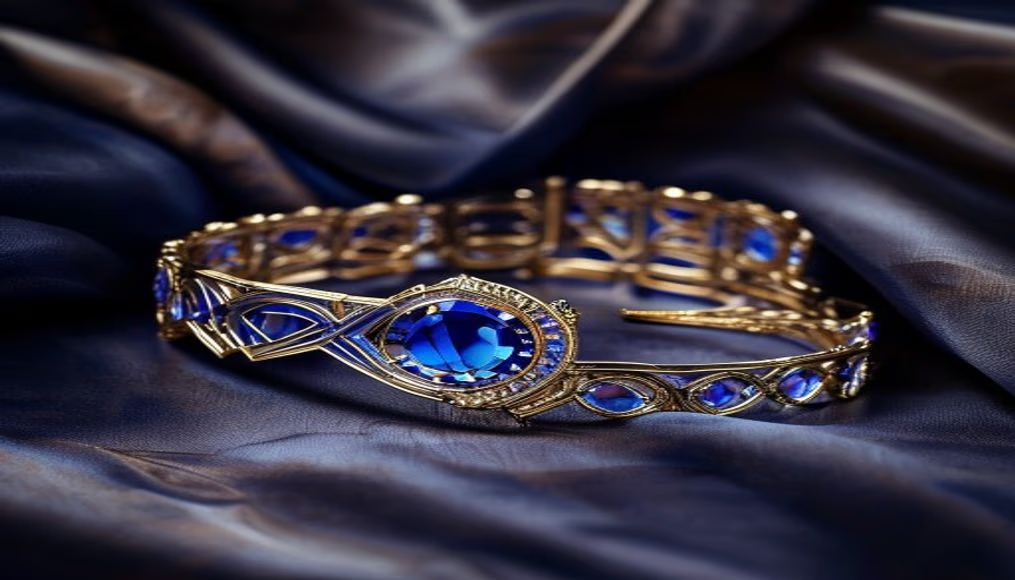
Art Deco bracelet with calibre-cut sapphires, a technique carving gems for perfect fit, symbol of luxury and geometry of the 1920s.
About this subject
The Art Deco bracelet with calibre-cut sapphires represents the pinnacle of early 20th-century goldsmithing. The calibre technique, developed in the 1920s, involves carving gemstones (such as sapphires, rubies, or emeralds) into precise geometric shapes, usually rectangular or baguette, so they fit seamlessly into platinum or white gold settings. This method emphasized the contrast between colored stones and metal, creating symmetrical patterns typical of the Art Deco style.
Sapphires, a blue variety of corundum, were especially prized for their hardness (9 on Mohs scale) and intense color. Art Deco jewelry often featured medium-blue sapphires from Ceylon (now Sri Lanka) or Burma, combined with diamonds and onyx for monochromatic or bicolor compositions. The bracelet, with articulated clasp, was worn both in the evening and at social events, symbolizing status and modernity.
The Art Deco movement (circa 1920-1939) influenced jewelry with straight lines, stepped forms, and inspiration from Egyptian, Aztec, and machine-age artifacts. Jewelers like Cartier, Van Cleef & Arpels, and Boucheron popularized the calibre cut. Today, these pieces are highly collectible, fetching hundreds of thousands of dollars at auction houses like Sotheby's or Christie's.
Care requires caution: sapphires are durable, but vintage settings can be fragile. Cleaning with mild soap and water is recommended, avoiding ultrasonic if stones are treated. Originally, such bracelets were part of parures, sets including necklace, earrings, and ring, many of which have been dismantled over time.
Frequently Asked Questions
What is the calibre cut in jewelry?
It is a technique where gemstones are carved into precise geometric shapes, such as rectangles or trapezoids, to fit seamlessly side by side in the metal setting without gaps. It was popularized during the Art Deco period (1920-1930).
How can I identify an authentic Art Deco bracelet?
Look for platinum or white gold settings, strict symmetry, use of sapphires, rubies, or emeralds combined with diamonds, and articulated safety clasps. Hallmarks from renowned jewelers like Cartier or Van Cleef & Arpels indicate authenticity.
What is the value of a calibre-cut sapphire Art Deco bracelet?
It varies by provenance, total sapphire weight, jeweler's signature, and condition. Auction pieces can range from US$ 10,000 to over US$ 200,000. Sapphires from Kashmir or Burma increase the value.
Direct URL
https://pub-c7d6a6ea828543ac903a74a341ccb2e1.r2.dev/imagens/art-deco-sapphire-bracelet-calibre-silk-drapery-background-luxo1.avifHow to credit
Include a visible link back to UtilizAí. Copy one of the snippets below:
<a href="https://xn--utiliza-eza.com/en/midia/imagens/art-deco-sapphire-bracelet-calibre-silk-drapery-background-luxo1">Art deco sapphire bracelet calibre</a> by <a href="https://xn--utiliza-eza.com">UtilizAí</a>, licensed under <a href="https://creativecommons.org/licenses/by/4.0/">CC BY 4.0</a>.
[Art deco sapphire bracelet calibre](https://xn--utiliza-eza.com/en/midia/imagens/art-deco-sapphire-bracelet-calibre-silk-drapery-background-luxo1) by [UtilizAí](https://xn--utiliza-eza.com), CC BY 4.0
License: CC-BY-4.0