Art deco sapphire bracelet calibre
1344×768 · AVIF · CC BY 4.0
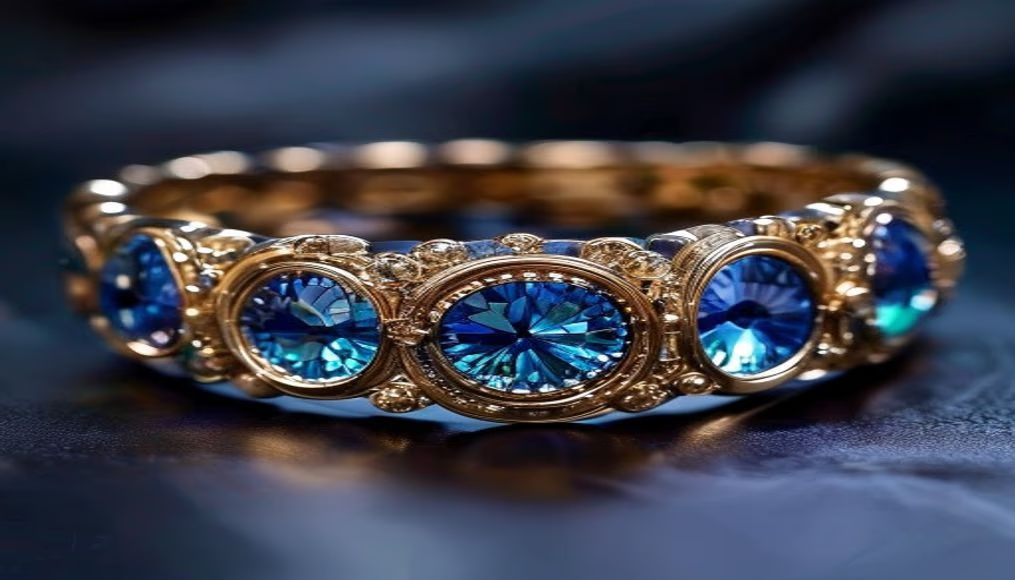
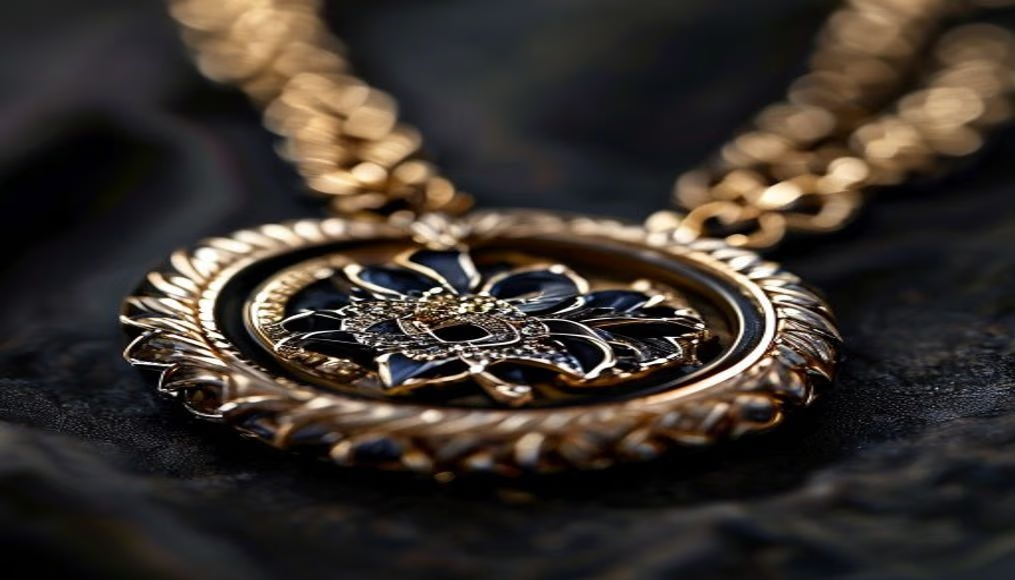
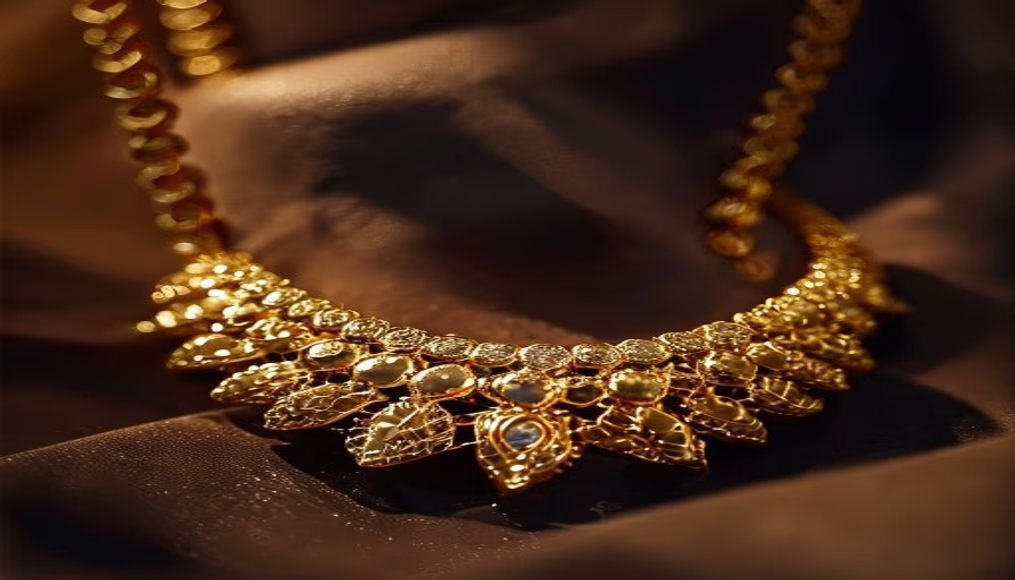
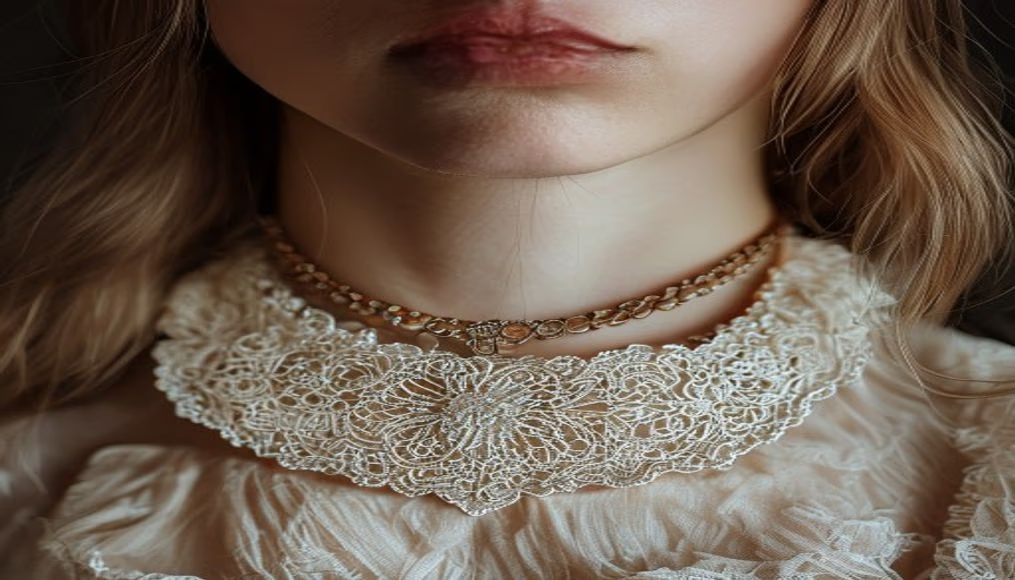
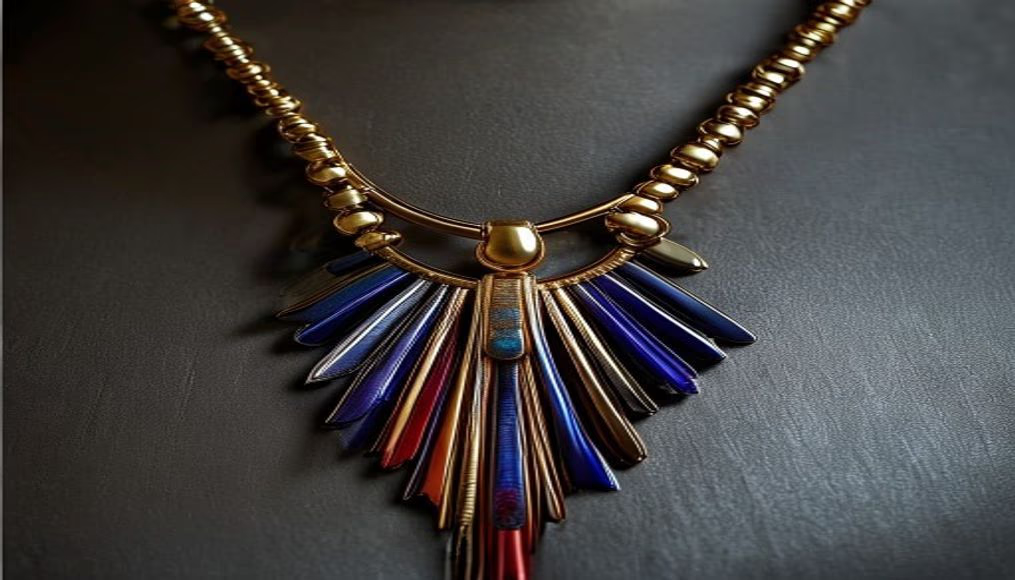
Art deco bracelet with calibre-cut sapphires, an emblematic piece of 1920s luxury and geometry, showcasing custom-cut stones and meticulous craftsmanship.
About this subject
The art deco sapphire calibre bracelet represents the peak of 1920s goldsmithing, a period that exalted straight lines, symmetry and chromatic contrasts. The term calibre refers to a cutting technique where gemstones are shaped exactly to fit the bezel, forming a continuous mosaic with no visible gaps. This approach demanded extreme skill, as each sapphire had to be individually cut to match the geometric design of the metal, usually platinum or white gold.
Sapphires used in such jewelry came primarily from Sri Lanka (then Ceylon), known for intense blue stones, though pink, yellow and green varieties were also employed to create colored patterns. The contrast with baguette or step-cut diamonds was common, emphasizing the linear aesthetic of the art deco movement. This particular bracelet, inspired by a champagne bubbles style, likely refers to filigree or textures reminiscent of effervescence, a touch of lightness within rigid geometry.
Historically, these pieces were commissioned by European and American elites in the 1920s and 1930s, especially after the 1925 Exposition Internationale des Arts Décoratifs et Industriels Modernes in Paris, which gave the style its name. Today, they are collector’s items, valued not only for their gems but for the rarity of the calibre technique, now nearly extinct due to high cost and complexity. Maintaining such jewelry requires extra care, as bezels can be fragile and calibre stones are difficult to replace without recutting.
Frequently Asked Questions
What does calibre cut mean in jewelry?
Calibre cut is a faceting technique where a gem is shaped exactly to fit its setting, creating a seamless mosaic without gaps. It was widely used in art deco jewelry to form continuous geometric patterns.
Are the sapphires in this bracelet natural?
Likely yes, as it is a high jewelry piece. Natural sapphires from Sri Lanka or Myanmar are common in art deco pieces. However, a gemological report is needed to confirm origin and any treatments.
How can I identify an authentic art deco bracelet?
Look for symmetrical settings, platinum or white gold, baguette diamonds, and calibre technique. Hallmarks, maker’s marks and period certificates also help authenticate the piece.
Direct URL
https://pub-c7d6a6ea828543ac903a74a341ccb2e1.r2.dev/imagens/art-deco-sapphire-bracelet-calibre-champagne-bubbles-studio-luxo0.avifHow to credit
Include a visible link back to UtilizAí. Copy one of the snippets below:
<a href="https://xn--utiliza-eza.com/en/midia/imagens/art-deco-sapphire-bracelet-calibre-champagne-bubbles-studio-luxo0">Art deco sapphire bracelet calibre</a> by <a href="https://xn--utiliza-eza.com">UtilizAí</a>, licensed under <a href="https://creativecommons.org/licenses/by/4.0/">CC BY 4.0</a>.
[Art deco sapphire bracelet calibre](https://xn--utiliza-eza.com/en/midia/imagens/art-deco-sapphire-bracelet-calibre-champagne-bubbles-studio-luxo0) by [UtilizAí](https://xn--utiliza-eza.com), CC BY 4.0
License: CC-BY-4.0