Art deco perfume
1344×768 · AVIF · CC BY 4.0
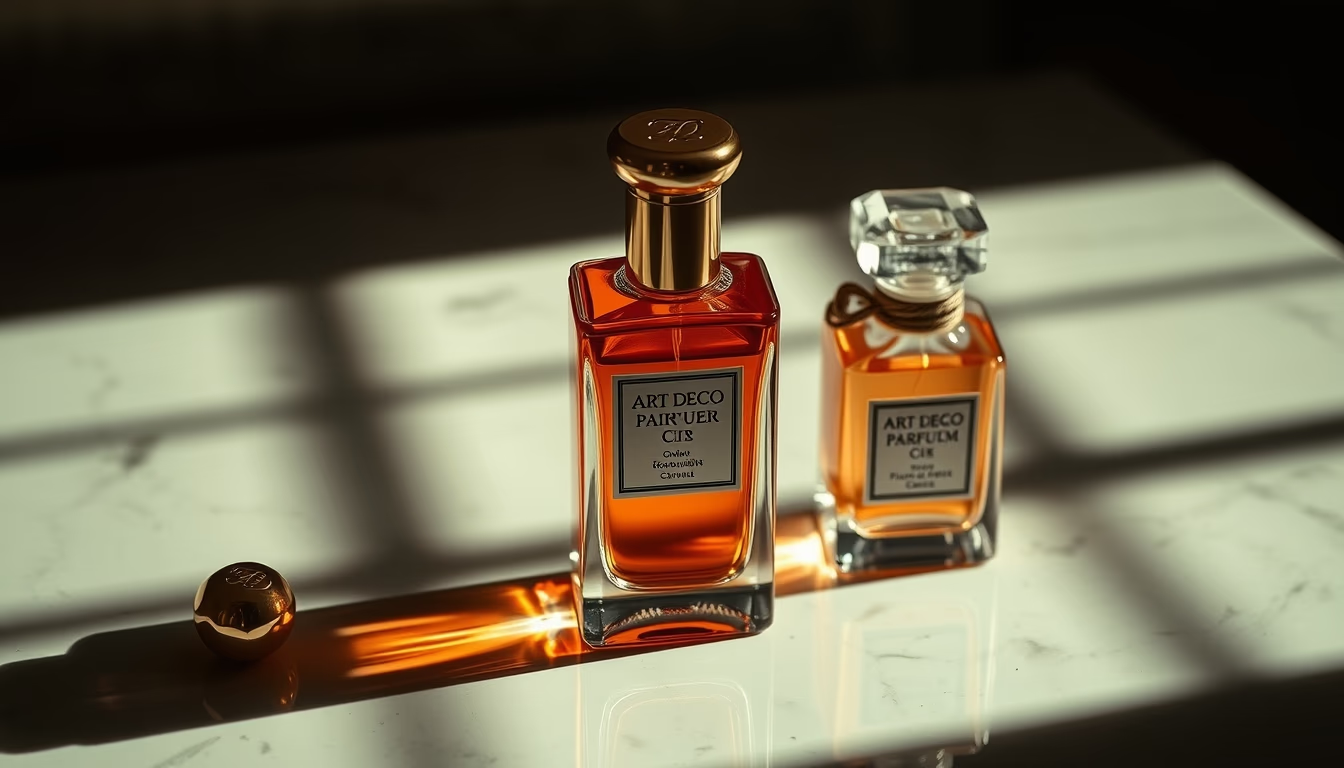
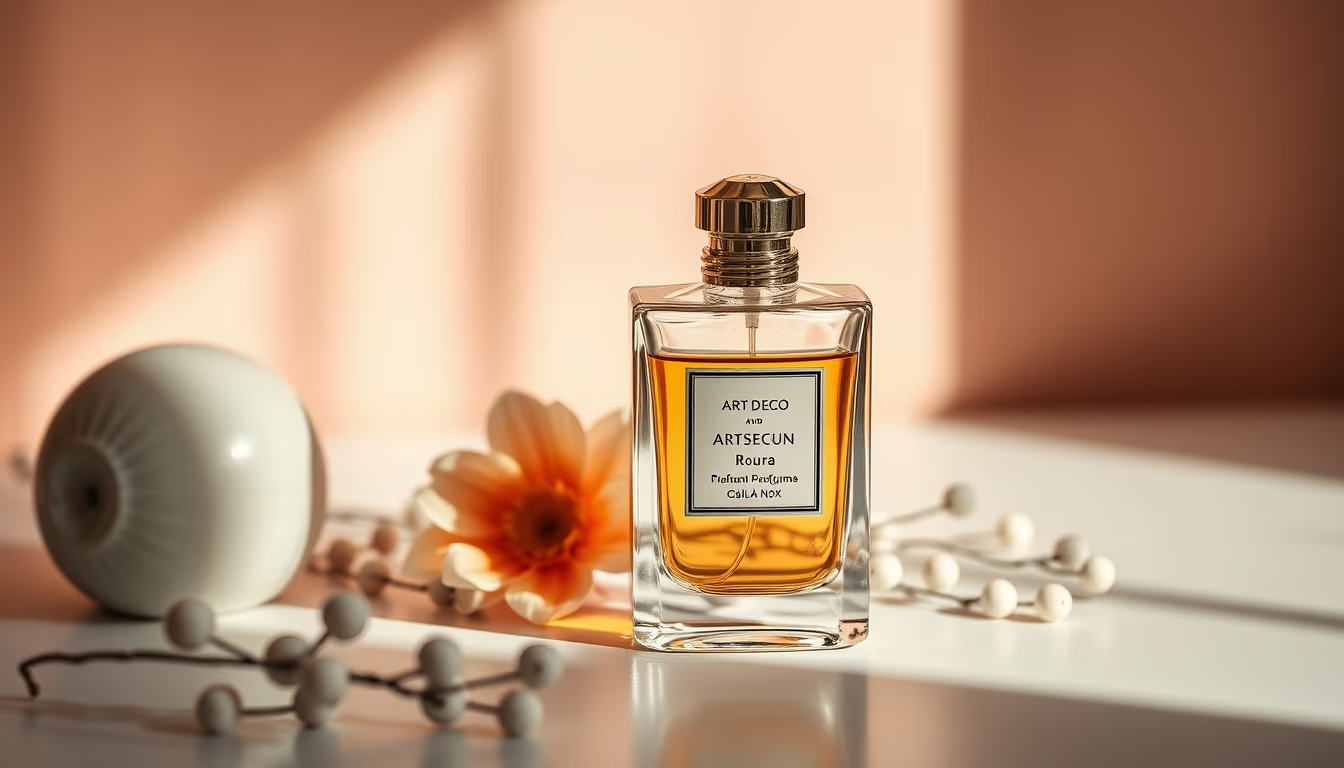
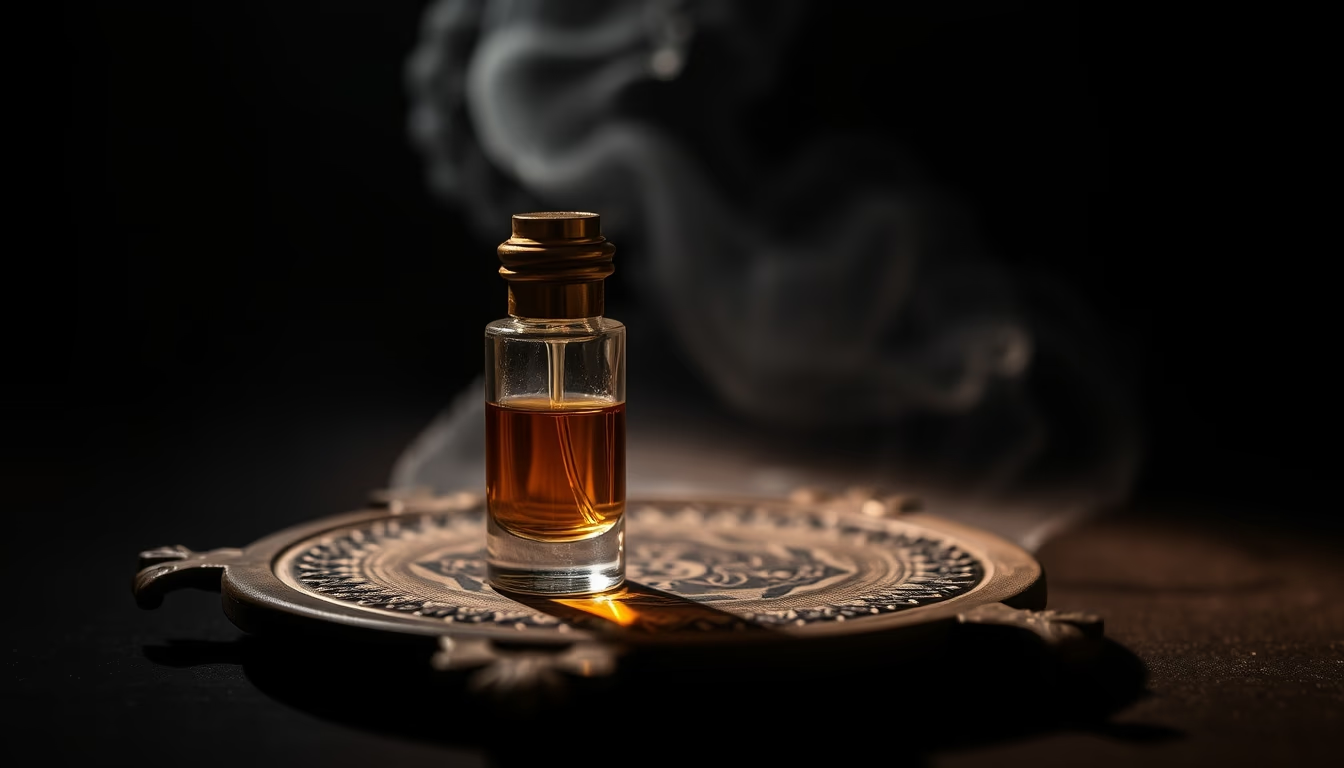
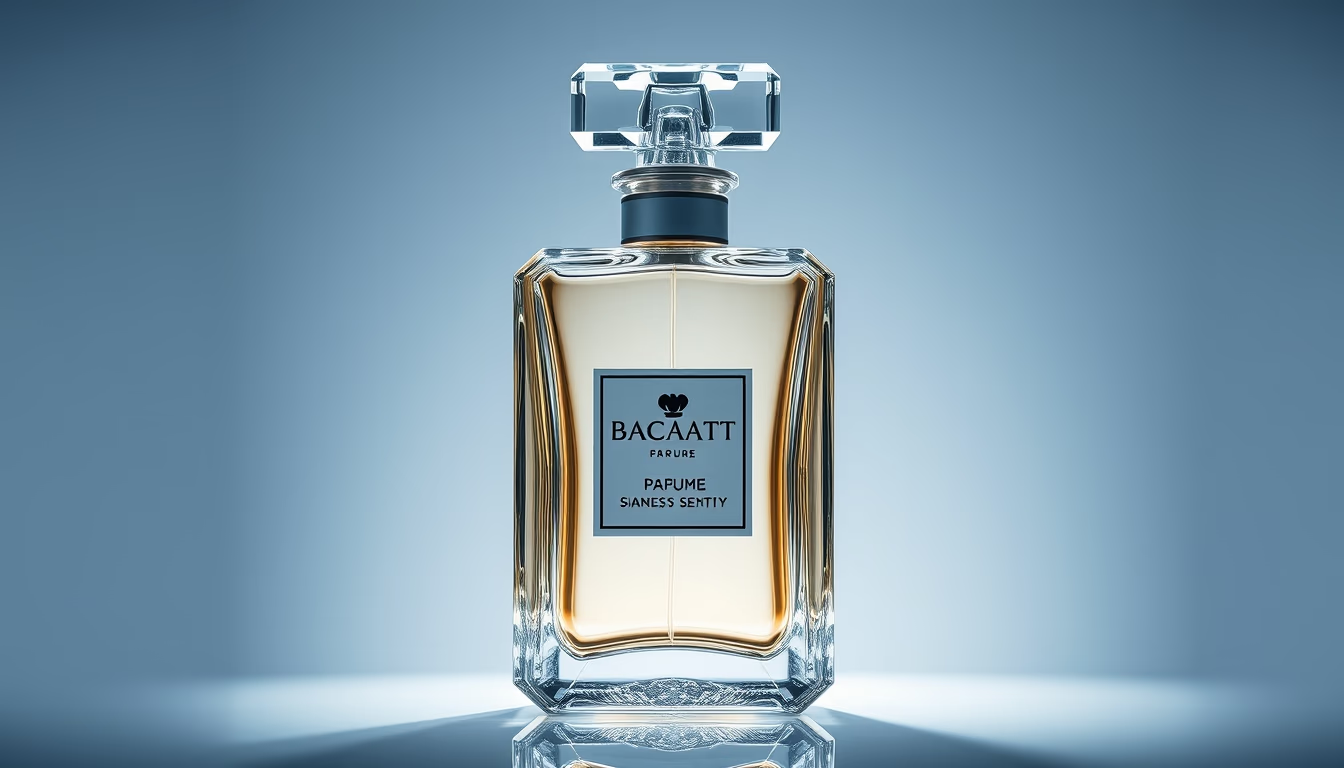
Art Deco perfume bottles blend geometric design, luxury, and functionality, defining the Jazz Age and the glamour of the 1920s and 1930s.
About this subject
The Art Deco movement, which flourished between the two World Wars, deeply influenced the perfume industry. Bottles from this period were true sculptures, featuring straight lines, sharp angles, geometric shapes such as trapezoids and zigzags, and noble materials like cut glass, crystal, metal, and ivory. This aesthetic celebrated modernity, speed, and luxury, breaking away from the organic curves of Art Nouveau.
Major perfumeries like Guerlain, Chanel, Lalique, and Baccarat produced iconic pieces. Chanel Nº 5, launched in 1921, is a classic example: its minimalist, rectilinear bottle contrasted with the ornate designs of the time. Lalique created containers with pressed glass reliefs, such as the "Bacchantes" bottle, while Baccarat cut crystal for brands like Coty and Houbigant. These bottles not only stored fragrances but also served as decorative objects, showcasing their owners' social status.
The popularity of Art Deco perfume bottles reflects the era of silent film, jazz, and women's liberation. They were often presented in sophisticated packaging, with velvet cases or lacquered boxes. Today, these bottles are collector's items, sold at auctions for thousands of dollars. Museums such as the Victoria and Albert Museum in London and the Musée des Arts Décoratifs in Paris house significant collections from this period.
A curiosity: the term "Art Deco" derives from the Exposition Internationale des Arts Décoratifs et Industriels Modernes, held in Paris in 1925. The exhibition gathered designers from around the world and consolidated the style. In Brazil, Art Deco influenced architecture in Rio de Janeiro (such as the Theatro Municipal building) and jewelry, but in perfumery, imported bottles dominated the market. The aesthetic remains alive today, inspiring limited editions from contemporary brands.
Frequently Asked Questions
Why are Art Deco perfume bottles so valued by collectors?
They are valued for their iconic design, quality materials (cut glass, Baccarat crystal, ivory), and association with the glamour of the 1920s and 1930s. Some rare models fetch high prices at auctions, such as bottles by Lalique or Guerlain.
What are the typical materials used in Art Deco perfume bottles?
Common materials include cut glass, crystal (especially Baccarat), metal (silver, gold, bronze), ivory, ebony, and semiprecious stones like lapis lazuli. Caps often feature geometric angles or stylized figures.
How did Art Deco influence perfume bottle design in Brazil?
In Brazil, Art Deco impacted architecture and decorative arts, but local bottle production was limited. International brands dominated the market, and imported bottles became luxury items. Today, Brazilian designers create editions inspired by this style.
Direct URL
https://pub-c7d6a6ea828543ac903a74a341ccb2e1.r2.dev/imagens/art-deco-perfume-rembrandt-lighting-dramatic-shadows-fresh12.avifHow to credit
Include a visible link back to UtilizAí. Copy one of the snippets below:
<a href="https://xn--utiliza-eza.com/en/midia/imagens/art-deco-perfume-rembrandt-lighting-dramatic-shadows-fresh12">Art deco perfume</a> by <a href="https://xn--utiliza-eza.com">UtilizAí</a>, licensed under <a href="https://creativecommons.org/licenses/by/4.0/">CC BY 4.0</a>.
[Art deco perfume](https://xn--utiliza-eza.com/en/midia/imagens/art-deco-perfume-rembrandt-lighting-dramatic-shadows-fresh12) by [UtilizAí](https://xn--utiliza-eza.com), CC BY 4.0
License: CC-BY-4.0