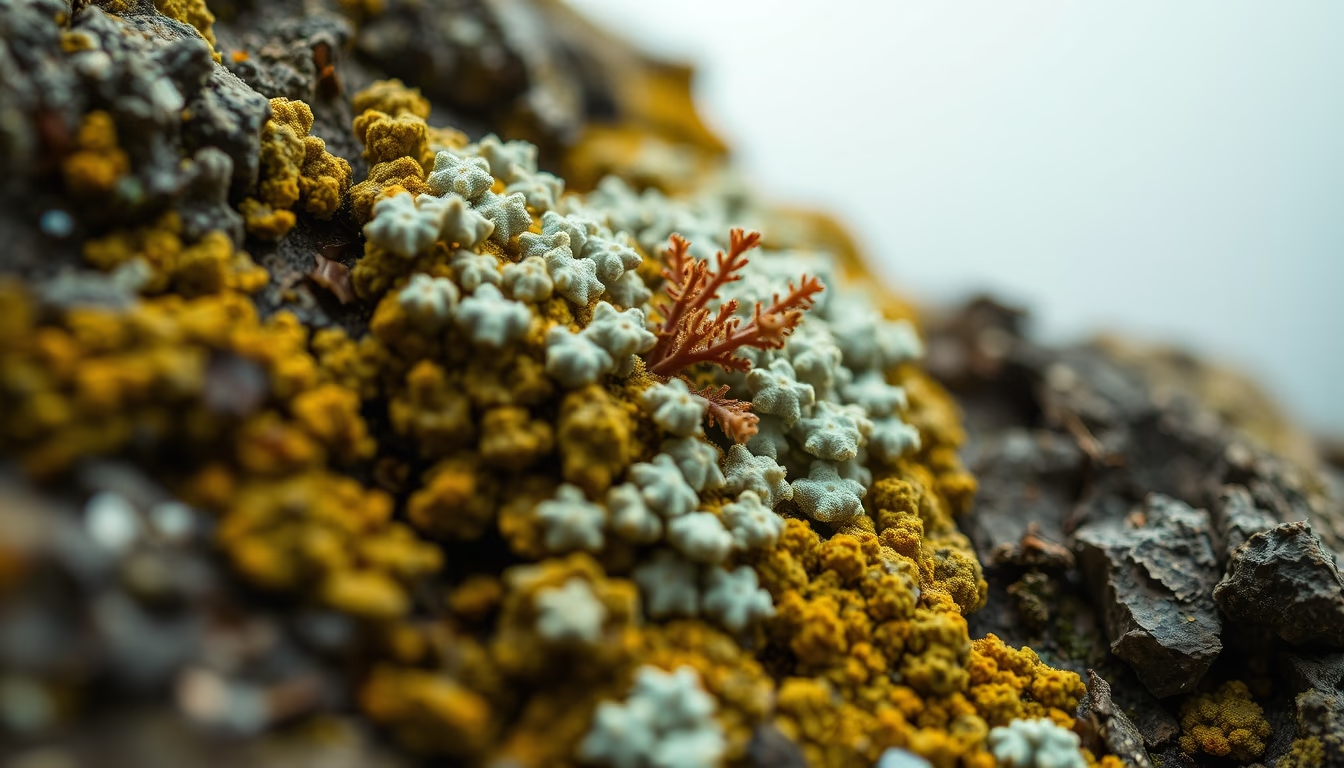
Archaea extremophile
1344×768 · AVIF · CC BY 4.0
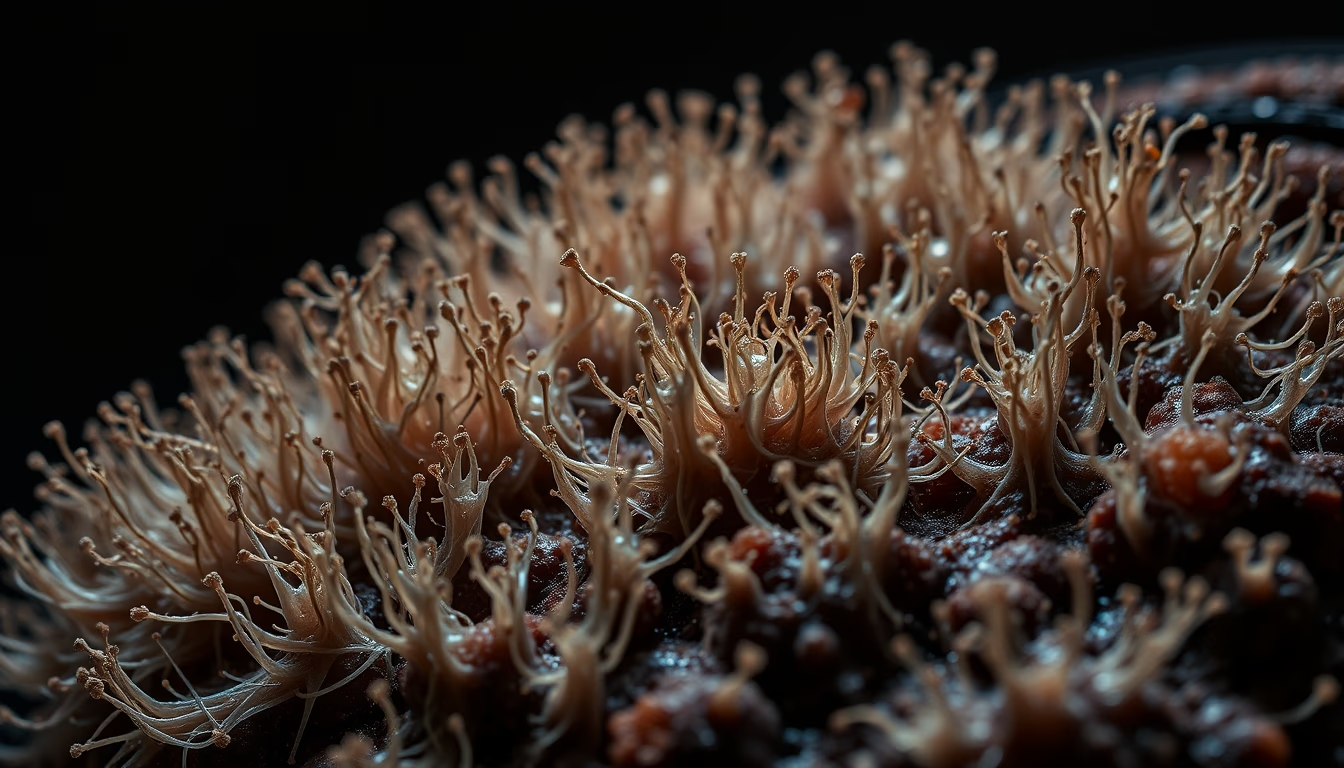
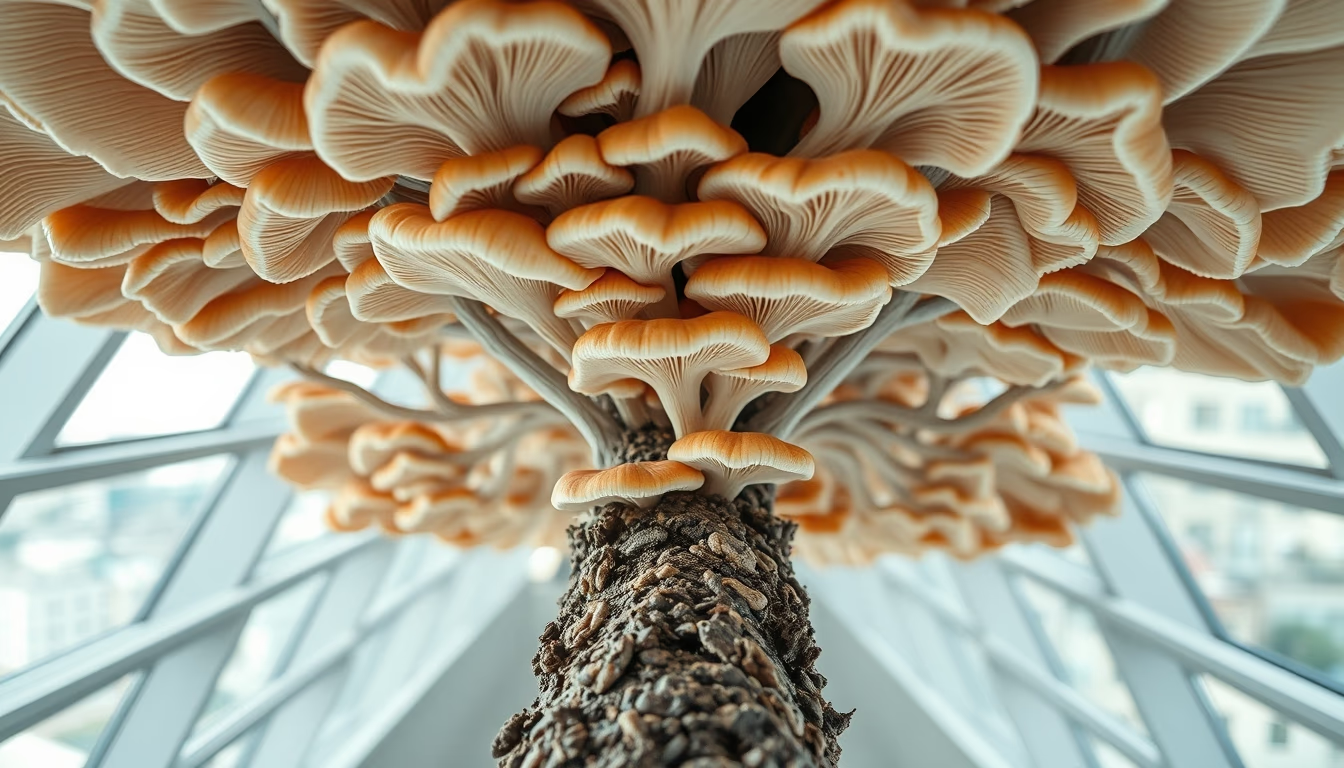
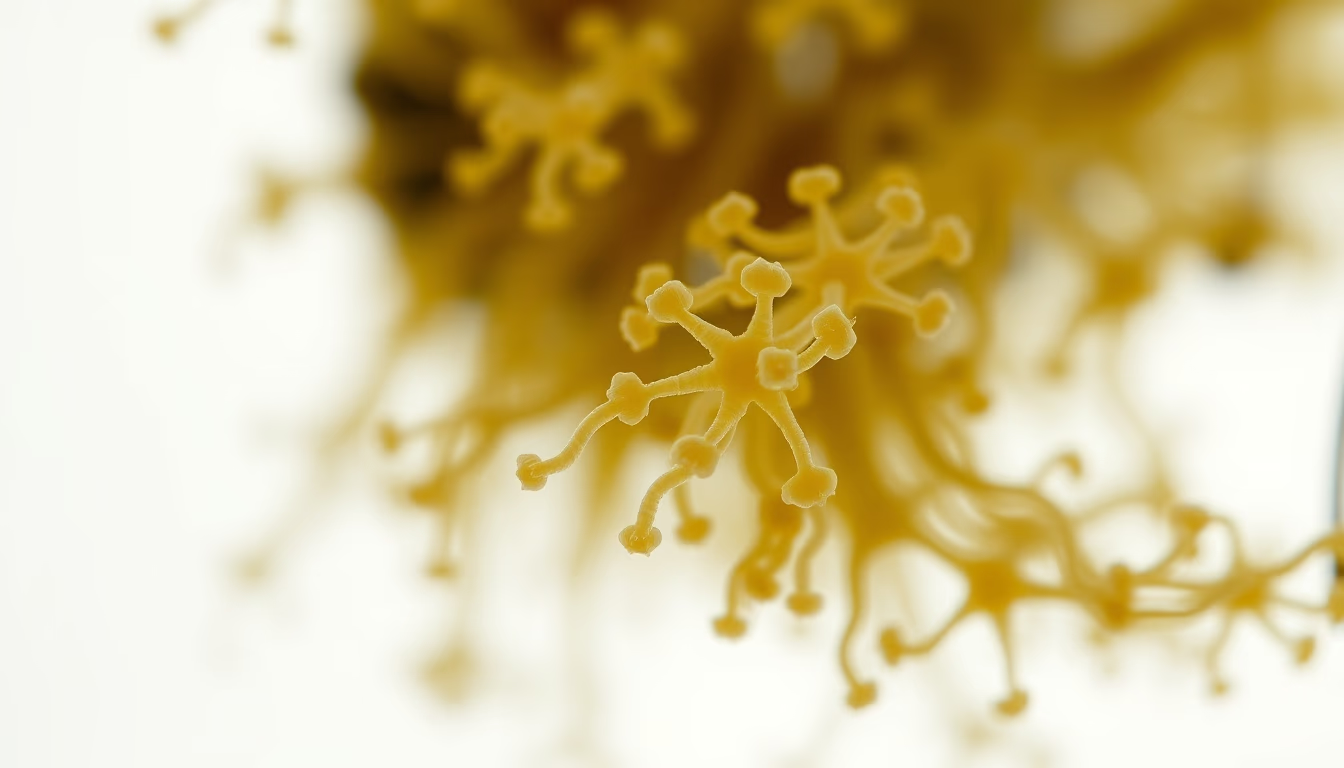
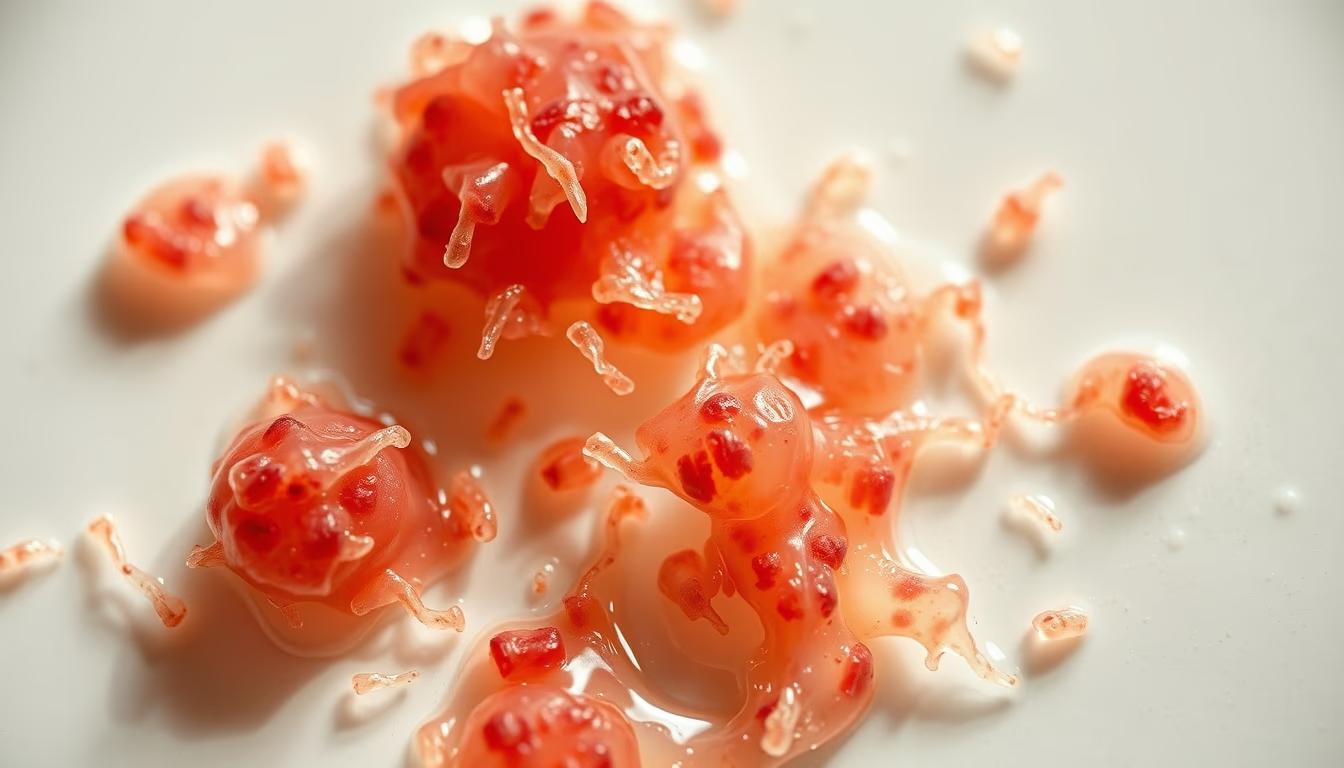
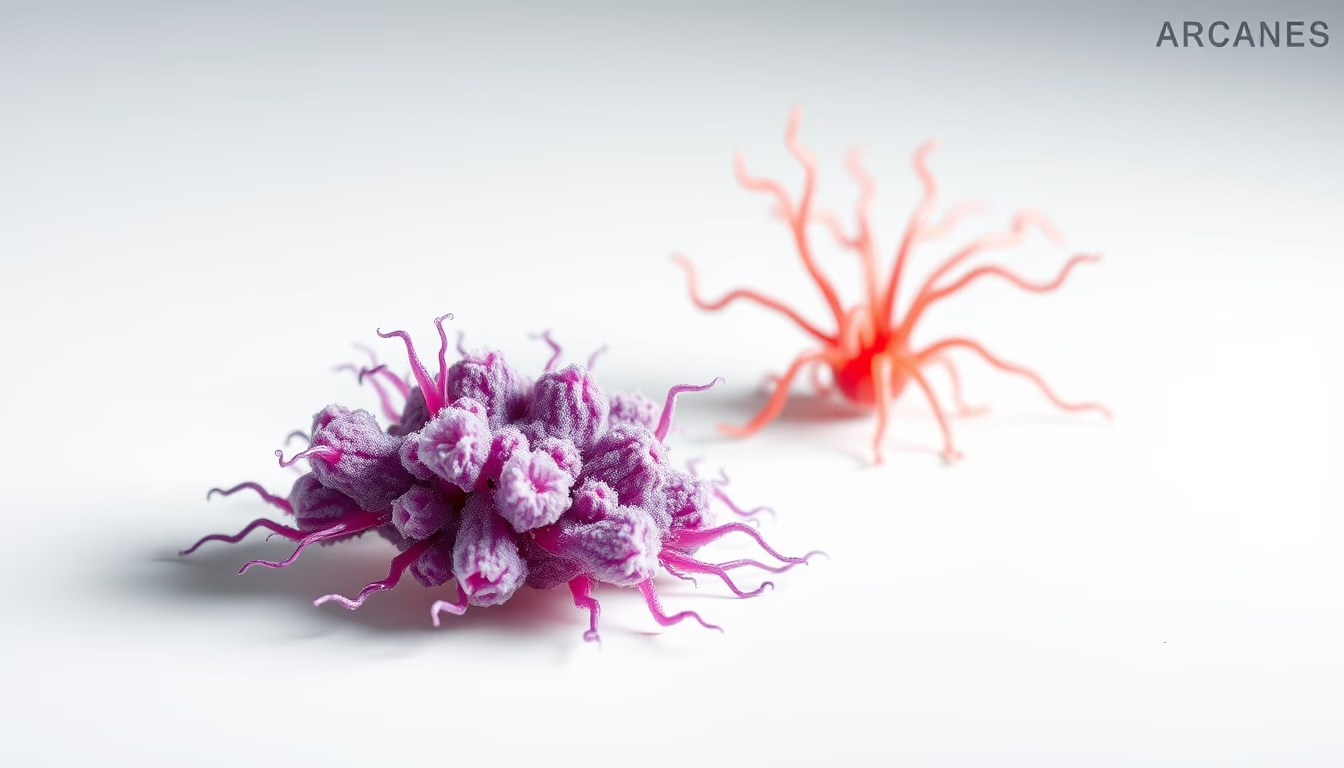
Extremophilic archaea are single-celled microorganisms thriving in extreme environments like hot springs and hypersaline lakes, revealing the limits of life on Earth.
About this subject
Archaea constitute one of the three domains of life, alongside Bacteria and Eukarya. They differ from bacteria in their unique lipid membrane composition and genetic mechanisms similar to eukaryotes. Extremophiles are archaea that thrive in conditions considered hostile for most life, such as temperatures above 100 °C, extreme acidic pH, or saturating salinity.
Notable examples include Thermococcus gammatolerans, which withstands lethal doses of gamma radiation, and Pyrolobus fumarii, living at 113 °C in ocean hydrothermal vents. Another famous group are halophiles like Halobacterium salinarum, thriving in high-salinity lakes and producing carotenoid pigments that turn water pink.
The discovery of extremophilic archaea revolutionized biology, expanding the concept of habitability. They serve as models for understanding the origin of life on Earth and possible life on other planets, such as Mars, where similar conditions may exist. Industrially, their stable enzymes are used in biotechnological processes, like PCR using Taq polymerase originally from Thermus aquaticus, a thermophilic bacterium, not an archaeon, but the principle is analogous. Archaea also play crucial ecological roles in nutrient cycling, particularly methane (methanogens) and sulfur.
Frequently Asked Questions
What is the difference between archaea and bacteria?
Archaea have ether-linked lipid membranes (instead of ester), cell walls without peptidoglycan, and transcription/translation machinery closer to eukaryotes. Many are extremophiles, while bacteria inhabit more diverse environments.
Where do extremophilic archaea live?
They live in environments such as hot springs, submarine volcanoes, salt lakes, glaciers, acidic settings, and deep subsurface. Some have been isolated from radioactive waste and oil wells.
Can archaea be dangerous to humans?
No, no pathogenic archaeon is known. They do not infect humans and many are beneficial, such as methanogens that aid digestion in ruminants.
Direct URL
https://pub-c7d6a6ea828543ac903a74a341ccb2e1.r2.dev/imagens/archaea-extremophile-fine-art-photography-fresh15.avifHow to credit
Include a visible link back to UtilizAí. Copy one of the snippets below:
<a href="https://xn--utiliza-eza.com/en/midia/imagens/archaea-extremophile-fine-art-photography-fresh15">Archaea extremophile</a> by <a href="https://xn--utiliza-eza.com">UtilizAí</a>, licensed under <a href="https://creativecommons.org/licenses/by/4.0/">CC BY 4.0</a>.
[Archaea extremophile](https://xn--utiliza-eza.com/en/midia/imagens/archaea-extremophile-fine-art-photography-fresh15) by [UtilizAí](https://xn--utiliza-eza.com), CC BY 4.0
License: CC-BY-4.0