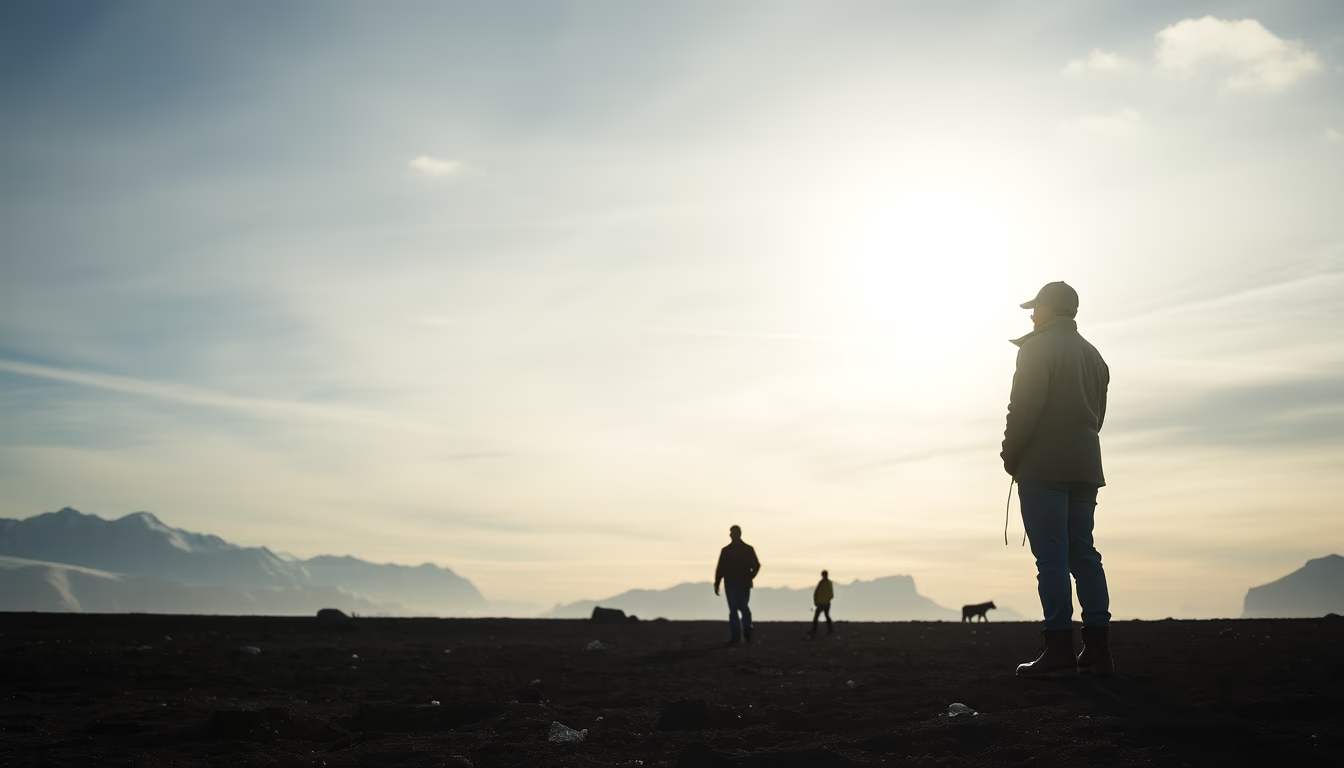
Antarctic ozone hole
1344×768 · AVIF · CC BY 4.0
The Antarctic ozone hole is a seasonal phenomenon exposing the region to high UV radiation, monitored by satellites since the 1970s.
About this subject
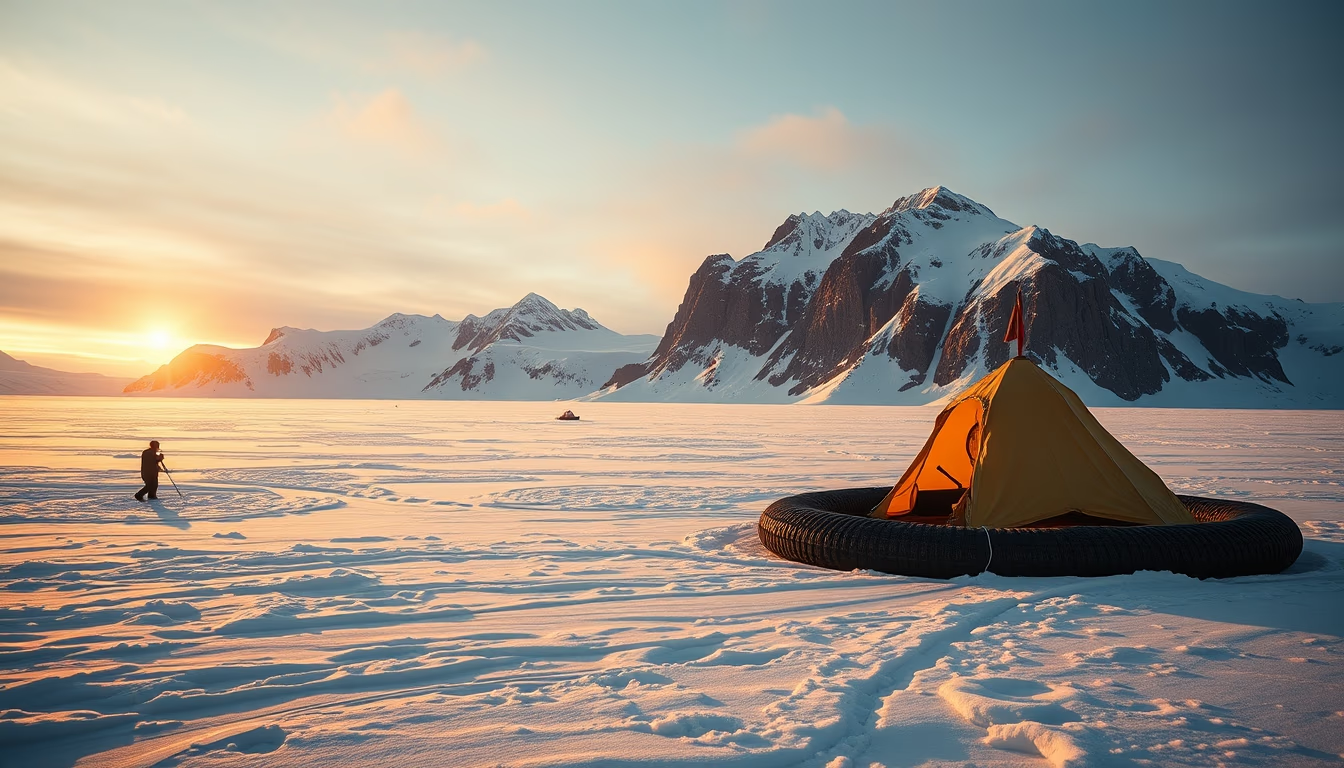
The Antarctic ozone hole is an atmospheric phenomenon that occurs annually during the austral spring, from September to November. It was discovered in 1985 by British scientists from the British Antarctic Survey, who observed a drastic reduction in ozone levels over the region. The primary cause is the emission of chlorofluorocarbons (CFCs), used in aerosols and refrigeration, which react with ozone in the stratosphere, especially over Antarctica due to extreme cold and the formation of polar stratospheric clouds.
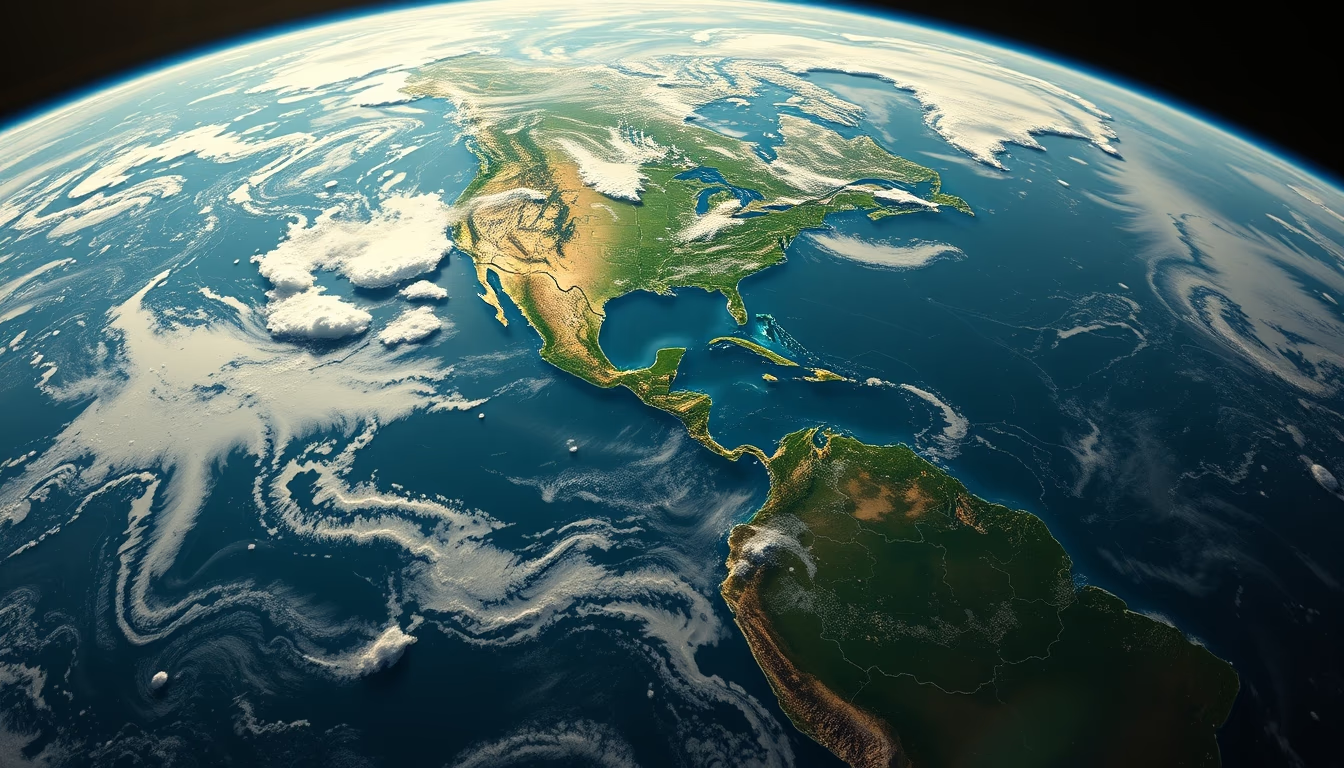
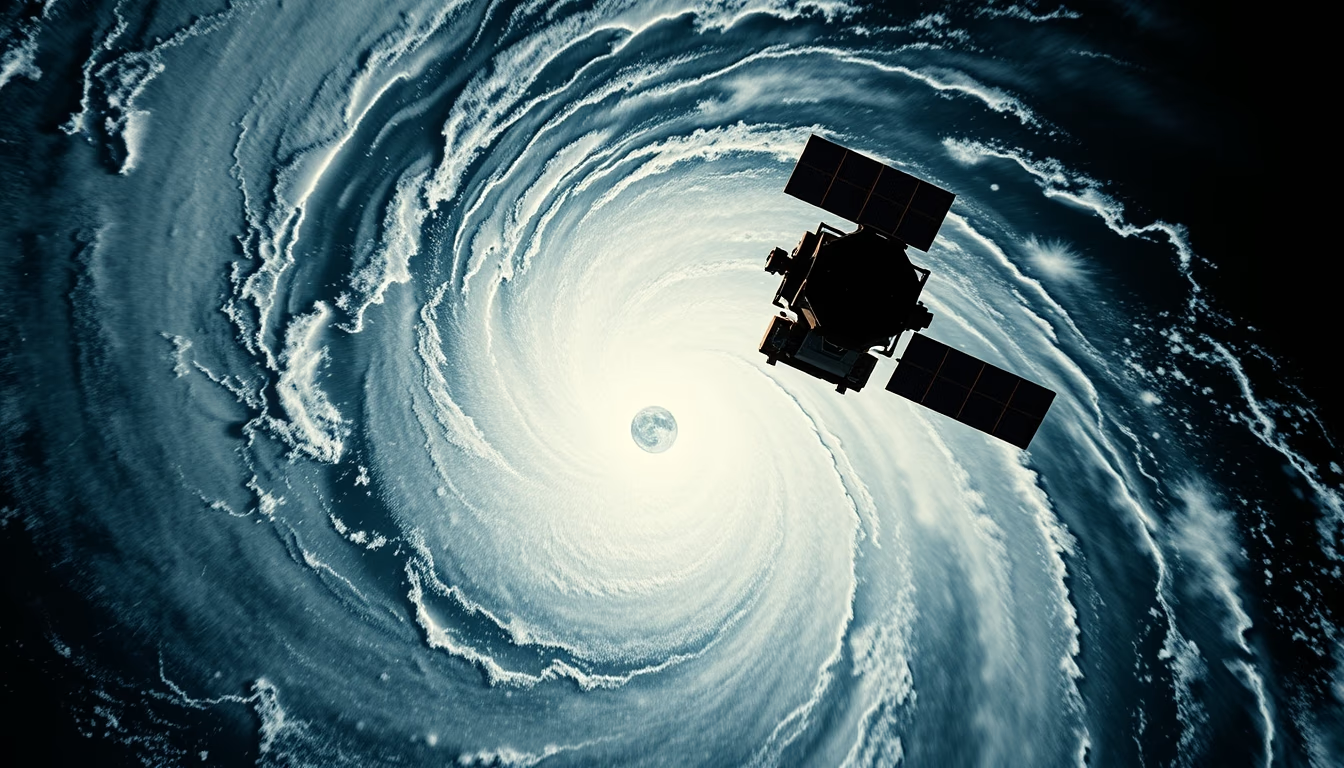
Continuous monitoring of the ozone hole is carried out by satellites such as OMI (Ozone Monitoring Instrument) aboard NASA's Aura and ESA's Sentinel-5P. In 2023, the Antarctic hole reached a maximum area of about 26 million km², one of the largest on record, but long-term trends show a slight recovery since the implementation of the Montreal Protocol in 1987, which banned CFC production.
The phenomenon has direct impacts on human health and ecosystems. Increased UV-B radiation can cause skin cancer, cataracts, and harm marine phytoplankton, the base of the Antarctic food chain. The ozone layer over Antarctica is expected to fully recover by mid-21st century, according to World Meteorological Organization projections, provided CFC restrictions are maintained.
Frequently Asked Questions
What causes the ozone hole over Antarctica?
The hole is caused by chlorofluorocarbons (CFCs) released by human activities, which destroy ozone in the stratosphere. Low temperatures and polar stratospheric clouds over Antarctica accelerate this process.
When was the Antarctic ozone hole discovered?
It was discovered in 1985 by scientists from the British Antarctic Survey, who noticed an abnormal reduction in ozone levels during the austral spring.
Is the ozone hole shrinking?
Yes, control measures for CFCs, such as the Montreal Protocol, have led to a gradual reduction. It is estimated that the hole will fully close by around 2065.
Direct URL
https://pub-c7d6a6ea828543ac903a74a341ccb2e1.r2.dev/imagens/antarctic-ozone-hole-magazine-editorial-fresh3.avifHow to credit
Include a visible link back to UtilizAí. Copy one of the snippets below:
<a href="https://xn--utiliza-eza.com/en/midia/imagens/antarctic-ozone-hole-magazine-editorial-fresh3">Antarctic ozone hole</a> by <a href="https://xn--utiliza-eza.com">UtilizAí</a>, licensed under <a href="https://creativecommons.org/licenses/by/4.0/">CC BY 4.0</a>.
[Antarctic ozone hole](https://xn--utiliza-eza.com/en/midia/imagens/antarctic-ozone-hole-magazine-editorial-fresh3) by [UtilizAí](https://xn--utiliza-eza.com), CC BY 4.0
License: CC-BY-4.0