Antarctic ozone hole
1344×768 · AVIF · CC BY 4.0

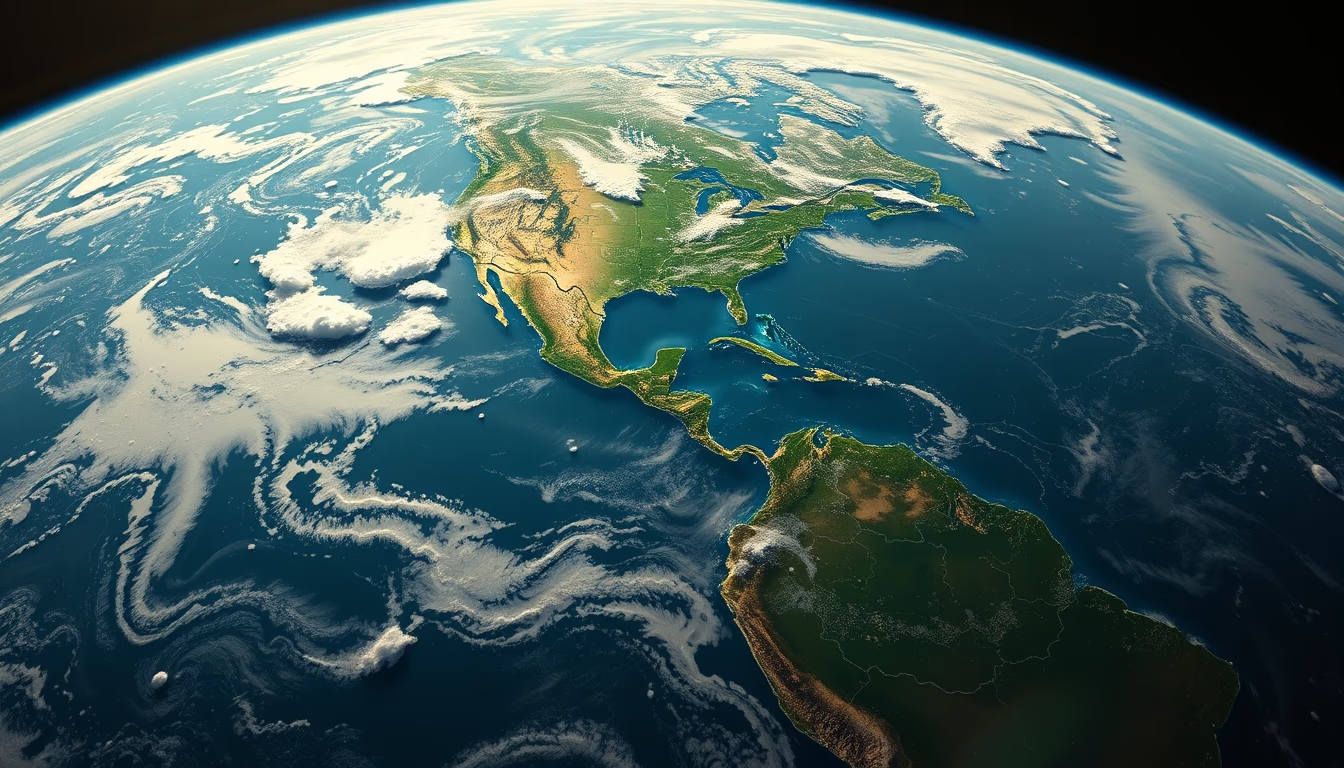
The Antarctic ozone hole is a seasonal depletion of the ozone layer caused by CFCs, monitored by satellites since the 1970s.
About this subject
The Antarctic ozone hole is a region in the stratosphere where ozone concentrations drop sharply during the austral spring (September to November). This phenomenon was discovered in 1985 by scientists at the British Antarctic Survey, who observed a reduction of over 40% in ozone levels. The primary cause is chlorofluorocarbons (CFCs), chemical compounds used in refrigerants, aerosols, and foams, which release chlorine in the stratosphere and destroy ozone molecules in catalytic reactions.
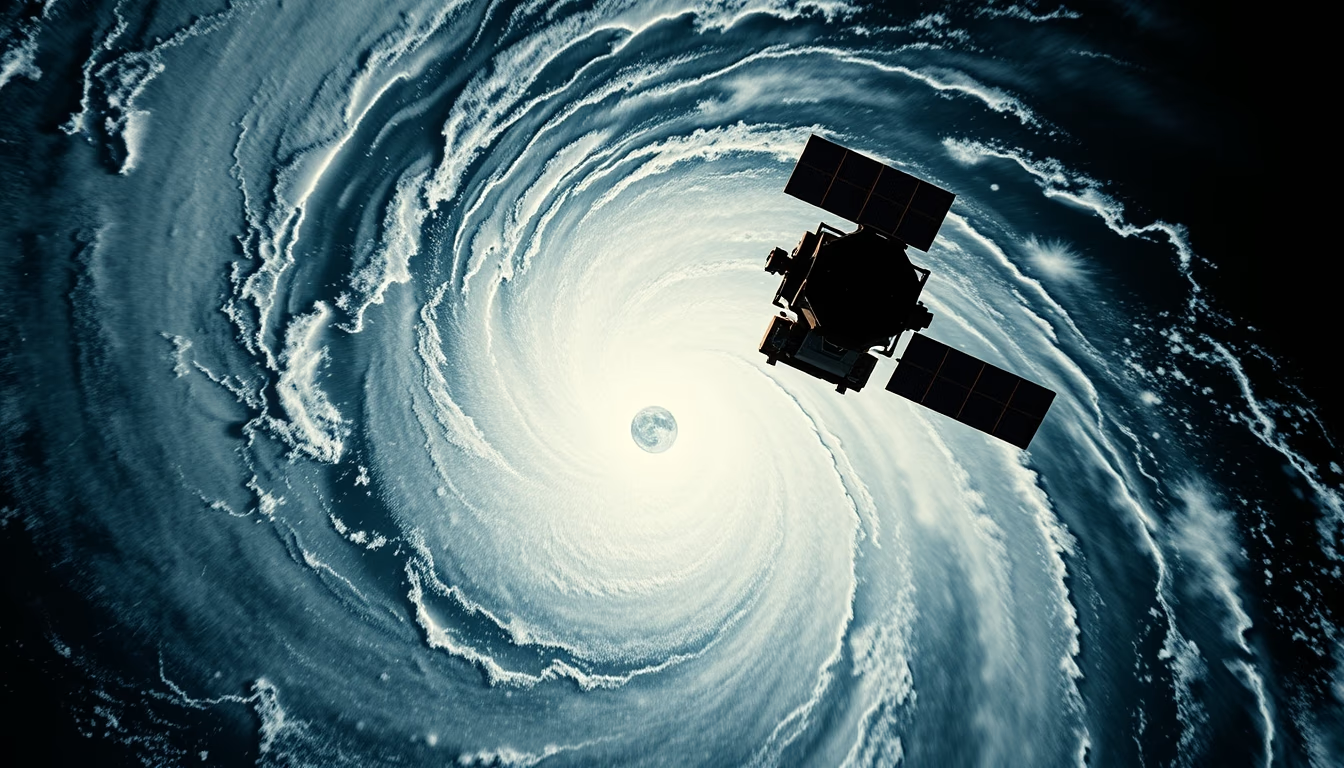
The hole's formation is closely tied to Antarctica's unique conditions. During winter, the Antarctic polar vortex isolates cold air, forming polar stratospheric clouds (PSCs) that activate chlorine from CFCs. With the return of sunlight in spring, photochemical reactions accelerate ozone destruction. Satellites such as NASA's Aura and ESA's Sentinel-5P continuously monitor the extent and thickness of the ozone layer using spectrometers like OMI and TROPOMI.
The Montreal Protocol, signed in 1987, banned the production of CFCs and other ozone-depleting substances. As a result, atmospheric CFC concentrations have declined. Studies indicate that the ozone hole is slowly recovering, with projections of complete closure by 2066. However, extreme events like volcanic eruptions and climate change may affect recovery speed.
Frequently Asked Questions
What causes the Antarctic ozone hole?
The ozone hole is caused by human emissions of chlorofluorocarbons (CFCs), which release chlorine in the stratosphere. The cold conditions of the Antarctic polar vortex and polar stratospheric clouds accelerate ozone destruction reactions.
How do satellites monitor the ozone hole?
Satellites like NASA's Aura and ESA's Sentinel-5P use spectrometers to measure total ozone concentration and vertical profiles. OMI and TROPOMI provide daily maps of the hole's extent.
Is the ozone hole recovering?
Yes, thanks to the Montreal Protocol, CFC concentrations have decreased and the ozone layer is slowly recovering. The Antarctic ozone hole is expected to close completely by around 2066.
Direct URL
https://pub-c7d6a6ea828543ac903a74a341ccb2e1.r2.dev/imagens/antarctic-ozone-hole-high-fashion-editorial-fresh6.avifHow to credit
Include a visible link back to UtilizAí. Copy one of the snippets below:
<a href="https://xn--utiliza-eza.com/en/midia/imagens/antarctic-ozone-hole-high-fashion-editorial-fresh6">Antarctic ozone hole</a> by <a href="https://xn--utiliza-eza.com">UtilizAí</a>, licensed under <a href="https://creativecommons.org/licenses/by/4.0/">CC BY 4.0</a>.
[Antarctic ozone hole](https://xn--utiliza-eza.com/en/midia/imagens/antarctic-ozone-hole-high-fashion-editorial-fresh6) by [UtilizAí](https://xn--utiliza-eza.com), CC BY 4.0
License: CC-BY-4.0