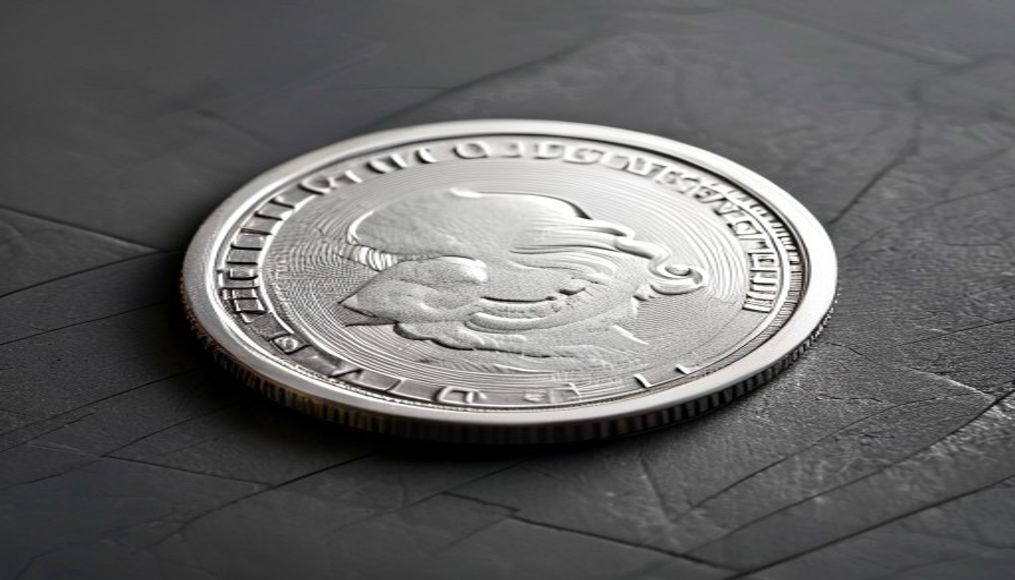
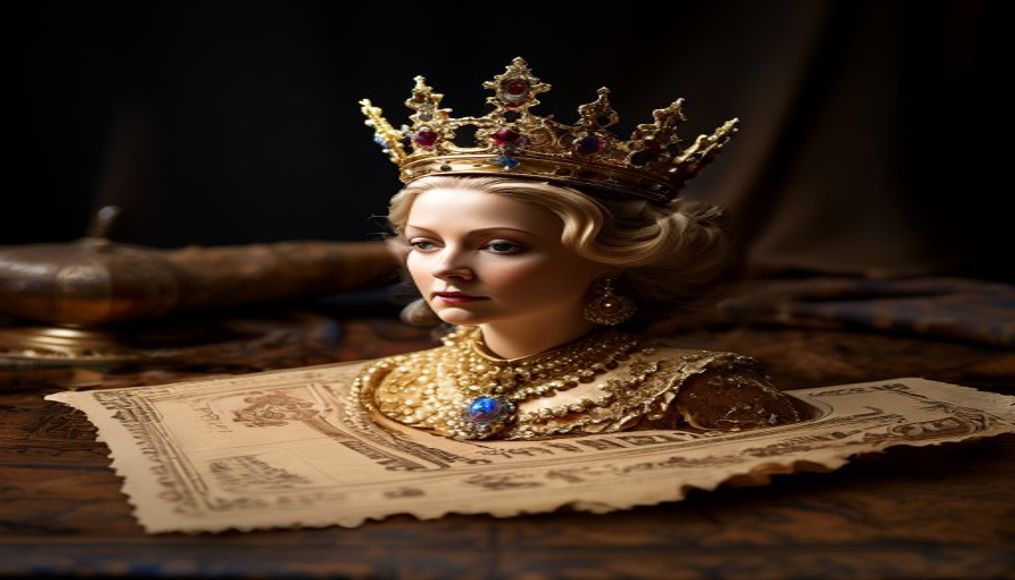
Ancient coin roman
1344×768 · AVIF · CC BY 4.0
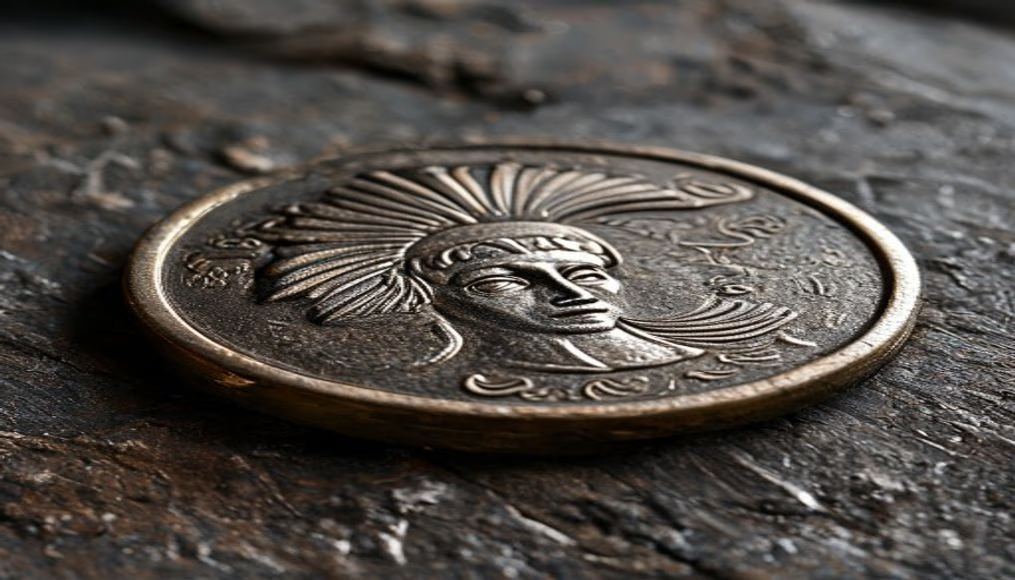
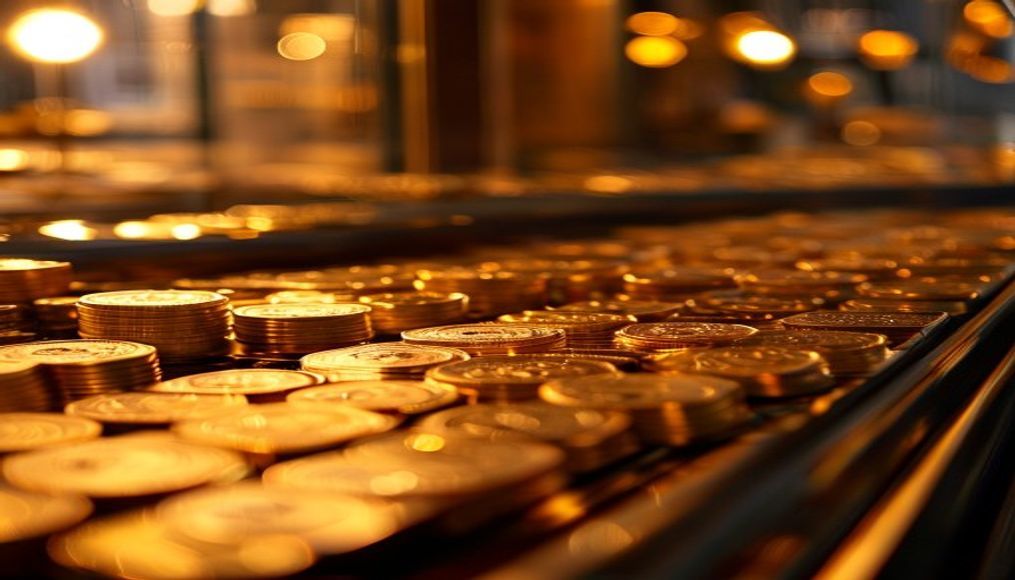
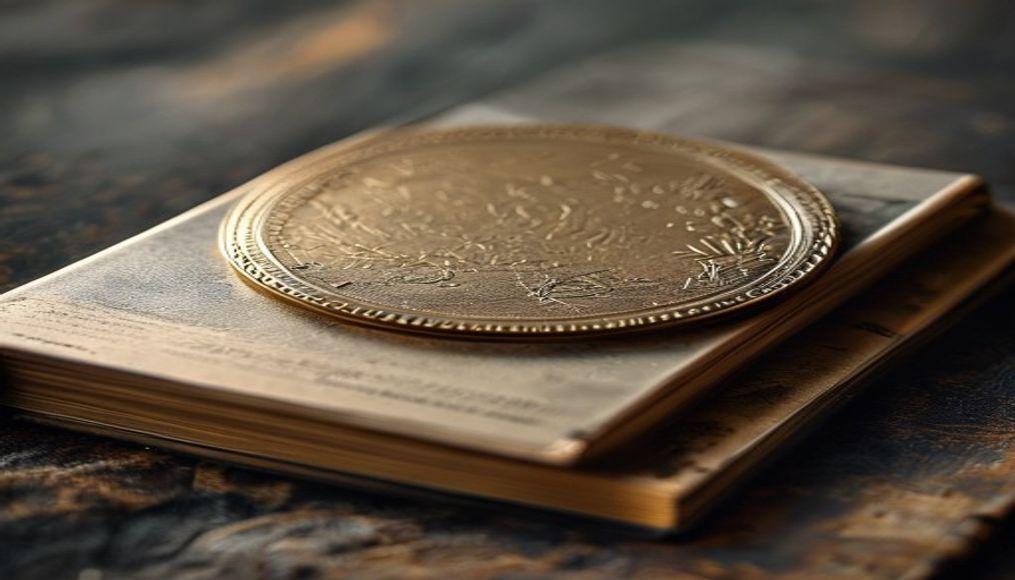
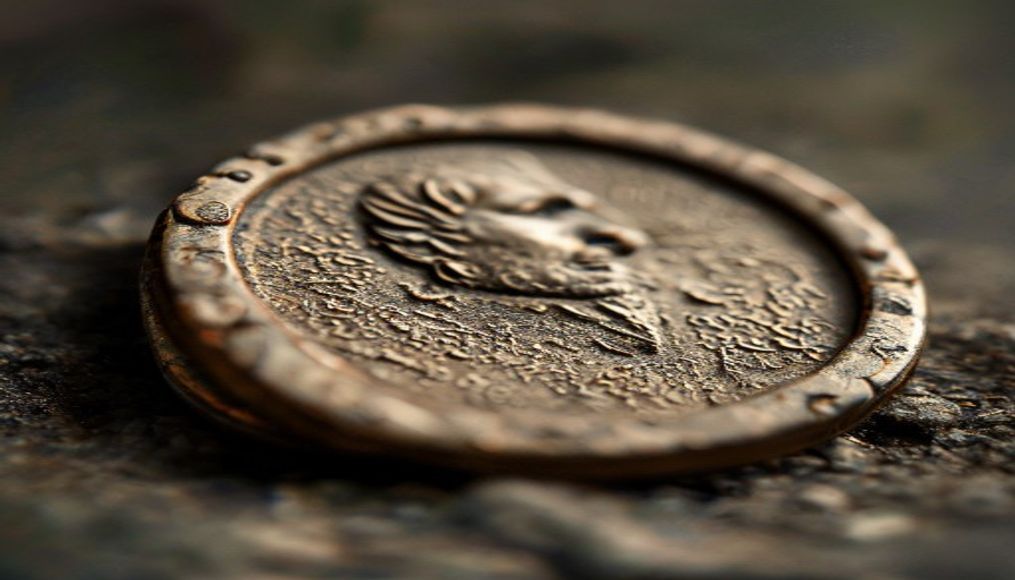
Ancient Roman coins, such as denarii and sestertii, circulated across the empire from the 3rd century BC, bearing portraits of emperors and symbols of power.
About this subject
Roman coins are among the most important archaeological artifacts of the ancient world. They began to be minted in the late 4th century BC, inspired by Greek and Etruscan models, and evolved into a cornerstone of the imperial economy. The silver denarius, introduced around 211 BC, served as the standard coin for centuries, while the gold aureus and bronze sestertius handled larger and smaller transactions, respectively.
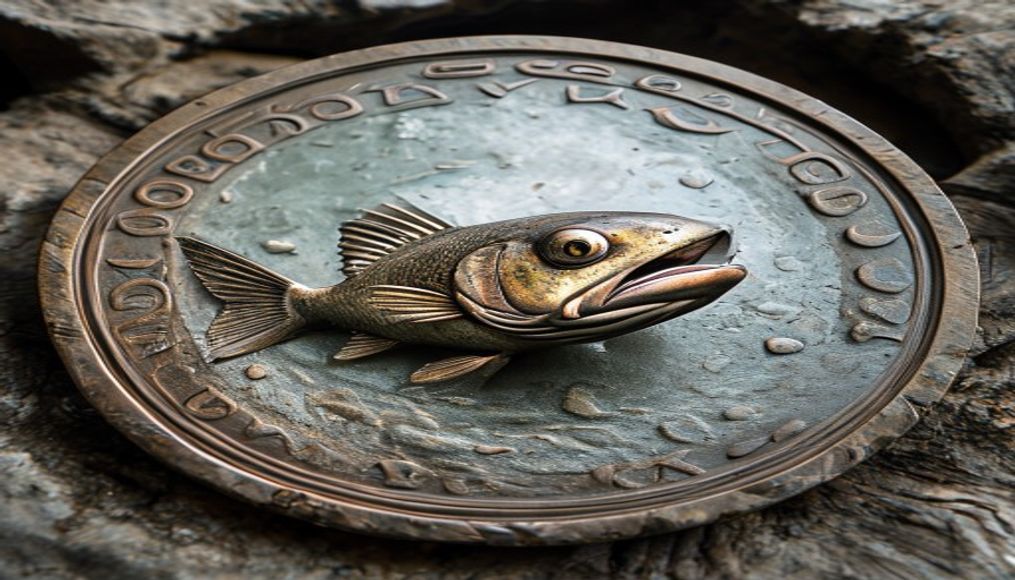
Each coin was a piece of propaganda. The obverse bore the portrait of the reigning emperor, with legends listing his titles and achievements. The reverse depicted deities, military victories, buildings, or allegories of imperial prosperity. For instance, coins of Augustus often featured the god Apollo or the figure of Peace (Pax), reinforcing the image of stability after the civil wars.
Minting was state-controlled, with mints in Rome and the provinces. Quality and weight varied over time, reflecting economic crises such as the denarius' debasement in the 3rd century AD, when its silver content plummeted. Today, these coins are studied in numismatics and coveted by collectors, with well-preserved specimens fetching high prices at auctions.
Identifying a Roman coin involves examining its metal, size, inscription, and portrait style. Condition, including wear and patina, affects authenticity and value. Even fragments can reveal trade routes and lost iconography, making each piece a time capsule.
Frequently Asked Questions
What was the most common metal used in Roman coins?
The denarius was silver, but gold (aureus) and bronze (sestertius, dupondius, as) were also common. Bronze was the most used for low-value coins.
How can you identify the emperor on a Roman coin?
The obverse features the emperor's portrait, usually in profile, with his name and titles in abbreviated Latin, e.g., IMP CAESAR TRAIAN AVG GERM.
Why are Roman coins valuable to collectors?
Due to their historical, artistic, and rarity value. Well-preserved specimens with original patina or from specific emperors can fetch thousands of dollars at auction.
Direct URL
https://pub-c7d6a6ea828543ac903a74a341ccb2e1.r2.dev/imagens/ancient-coin-roman-studio-still-life-p1.avifHow to credit
Include a visible link back to UtilizAí. Copy one of the snippets below:
<a href="https://xn--utiliza-eza.com/en/midia/imagens/ancient-coin-roman-studio-still-life-p1">Ancient coin roman</a> by <a href="https://xn--utiliza-eza.com">UtilizAí</a>, licensed under <a href="https://creativecommons.org/licenses/by/4.0/">CC BY 4.0</a>.
[Ancient coin roman](https://xn--utiliza-eza.com/en/midia/imagens/ancient-coin-roman-studio-still-life-p1) by [UtilizAí](https://xn--utiliza-eza.com), CC BY 4.0
License: CC-BY-4.0