Amplifier vintage knobs
1344×768 · AVIF · CC BY 4.0
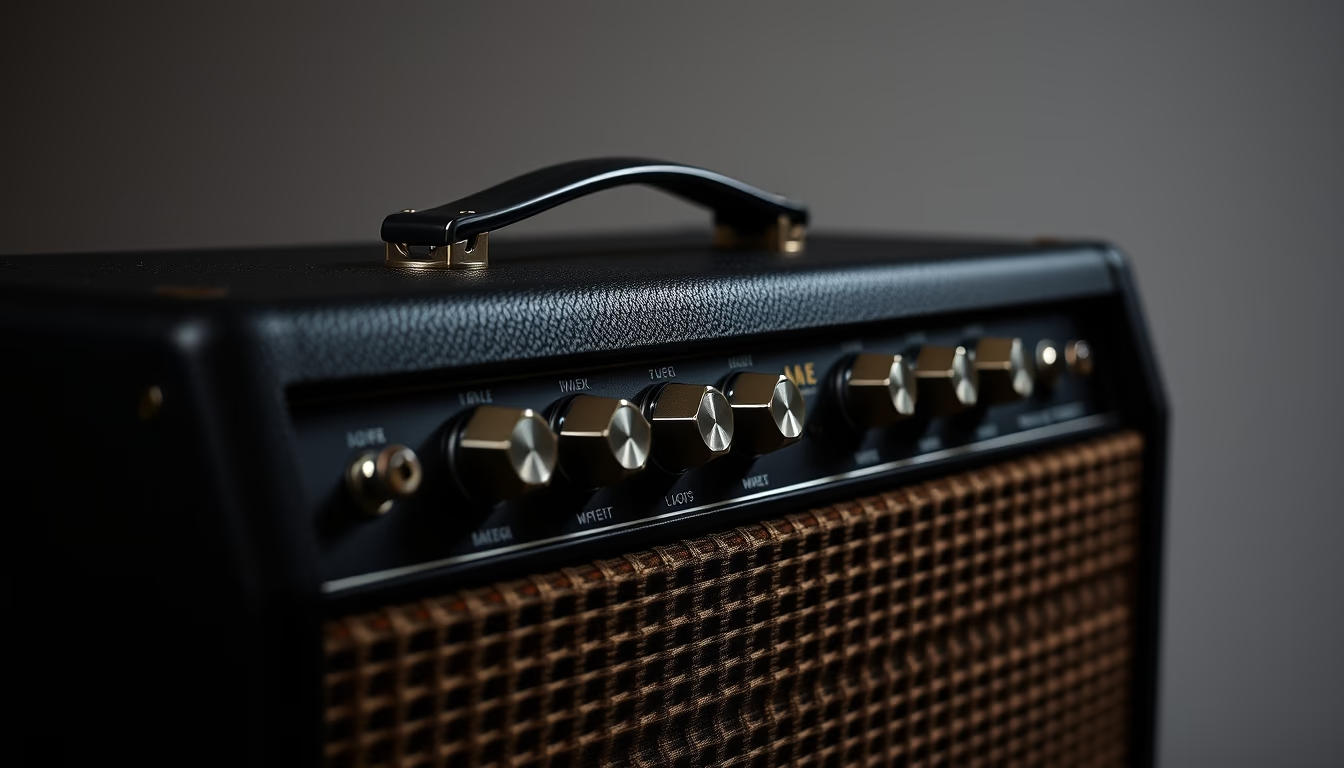
Vintage amplifier knobs are iconic pieces of analog audio, blending retro design with sonic functionality.
About this subject
Vintage amplifier knobs, commonly found on audio equipment from the 1950s to the 1970s, are more than mere controls. They serve as the physical interface between the musician and the electronic circuit, enabling precise adjustments of volume, tone, and gain. Crafted from materials such as phenolic resin, bakelite, cast aluminum, or hard plastic, their shapes vary widely: classic "chicken head" knobs with an elongated pointer for easy visual reference, skirted knobs with a broad base featuring numbered markings, and simple cylindrical knobs with a single indicator line. Each design was chosen not only for ergonomics but also to withstand decades of use on stages and in studios.
Functionally, these knobs go beyond aesthetics. In tube amplifiers like the legendary Fender Twin Reverb, Marshall Plexi, or Vox AC30, each turn alters valve bias and capacitor response, sculpting the characteristic tone that defined musical genres from rock to blues. The tactile feedback, often a firm detent or gradual resistance, is part of the player's experience. Many modern musicians seek exact replicas to restore classic amps or customize new gear, embracing the vintage aesthetic.
Culturally, vintage knobs symbolize a pre-digital era of robust, repairable electronics. Original parts are highly collectible, with rare examples fetching hundreds of dollars. Their industrial design continues to influence the look of effects pedals, audio receivers, and modular synthesizers. In recording studios, amplifiers with original knobs are frequently used not only for their sound but also for visual appeal in photo shoots and music videos, reinforcing a tangible link to music's analog past.
Frequently Asked Questions
What are the most common types of vintage knobs?
The most common types include 'chicken head' knobs with a pointed indicator, skirted knobs with a wide base and markings, and simple cylindrical knobs with a line. Each was used in specific contexts like guitar amplifiers or home audio equipment.
How can you identify original knobs on old amplifiers?
Original knobs typically show age-consistent wear, embossed or painted numbers/letters, and precise fits on potentiometers. Colors may have faded evenly. Famous models: Fender used white plastic with black numbers; Marshall used black bakelite with gold lettering.
Why are vintage knobs highly valued?
They are valued for their rarity, iconic design, and importance in preserving the original sound of classic amplifiers. Collectors and musicians pay for original pieces to restore equipment or maintain vintage aesthetics. Some knobs from specific models can cost tens of dollars each.
Direct URL
https://pub-c7d6a6ea828543ac903a74a341ccb2e1.r2.dev/imagens/amplifier-vintage-knobs-studio-editorial-portrait-p1.avifHow to credit
Include a visible link back to UtilizAí. Copy one of the snippets below:
<a href="https://xn--utiliza-eza.com/en/midia/imagens/amplifier-vintage-knobs-studio-editorial-portrait-p1">Amplifier vintage knobs</a> by <a href="https://xn--utiliza-eza.com">UtilizAí</a>, licensed under <a href="https://creativecommons.org/licenses/by/4.0/">CC BY 4.0</a>.
[Amplifier vintage knobs](https://xn--utiliza-eza.com/en/midia/imagens/amplifier-vintage-knobs-studio-editorial-portrait-p1) by [UtilizAí](https://xn--utiliza-eza.com), CC BY 4.0
License: CC-BY-4.0