Airport terminal modern with travelers walking
1344×768 · AVIF · CC BY 4.0
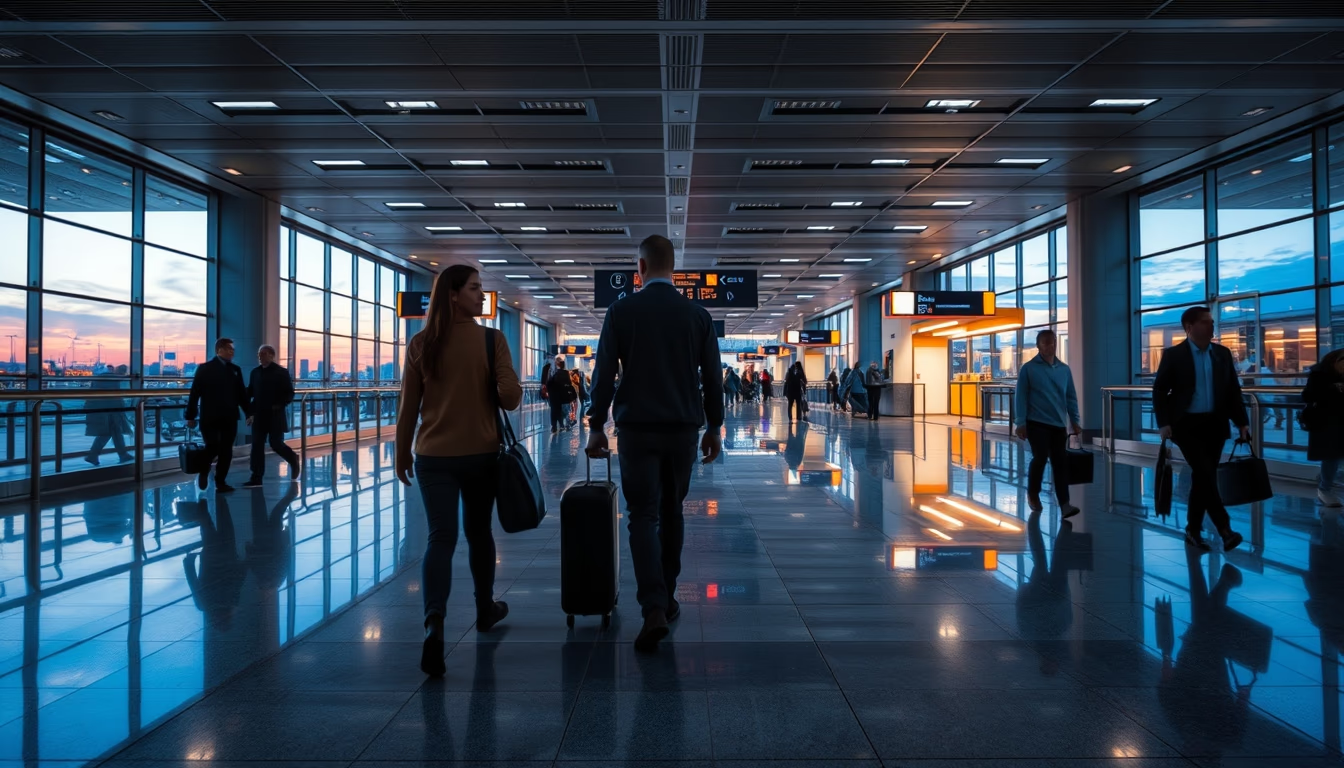
Modern airport terminals are designed for efficient passenger flow, blending functional architecture with contemporary aesthetics.
About this subject
Modern airport terminals represent the evolution of air transport infrastructure, prioritizing the traveler experience. Designed with vast open spaces, high ceilings, and extensive use of glass and steel, these environments aim to maximize natural light and a sense of spaciousness. The symmetrical layout of circulation areas, such as moving walkways and corridors, facilitates passenger orientation and optimizes flow, reducing congestion.
Lighting plays a crucial role in these spaces. During twilight, known as the 'blue hour', the combination of artificial light and moonlight creates a welcoming and safe atmosphere. Studies in airport design indicate that bluish tones help reduce traveler stress, promoting calm amidst the typical airport hustle. Major international airports, such as Singapore Changi Airport and Dubai International Airport, exemplify how architecture can transform the travel experience.
Symmetry in composition is not merely aesthetic: it aids intuitive navigation. Central corridors, clear signage, and visual landmarks help passengers quickly find gates, check-in counters, and rest areas. Additionally, the integration of technology, such as digital information panels and self-service kiosks, streamlines processes like check-in and boarding.
Interestingly, modern airport terminal design often incorporates local cultural elements, such as artworks or regional materials, to create a sense of place. Incheon Airport in South Korea, for example, features a traditional Korean garden, while Amsterdam Airport Schiphol houses a museum with works by Rembrandt. These details transform the terminal into a destination in itself, enriching the traveler's journey.
Frequently Asked Questions
Why do modern airport terminals use so much natural light?
Natural light reduces energy consumption and improves passenger well-being, lowering stress and fatigue. Studies show that naturally lit environments increase traveler satisfaction.
What is the 'blue hour' and why is it important in airports?
The 'blue hour' is the twilight period with bluish tones. In airports, this soft lighting creates a relaxing and safe atmosphere, helping to calm travelers before flights.
How does symmetry help passenger circulation?
Symmetry aids spatial orientation, allowing passengers to move intuitively. Central corridors and symmetrical signage reduce confusion and streamline flow.
Direct URL
https://pub-c7d6a6ea828543ac903a74a341ccb2e1.r2.dev/imagens/airport-terminal-modern-with-travelers-walking-symmetric-composition-twilight-blue-hour.avifHow to credit
Include a visible link back to UtilizAí. Copy one of the snippets below:
<a href="https://xn--utiliza-eza.com/en/midia/imagens/airport-terminal-modern-with-travelers-walking-symmetric-composition-twilight-blue-hour">Airport terminal modern with travelers walking</a> by <a href="https://xn--utiliza-eza.com">UtilizAí</a>, licensed under <a href="https://creativecommons.org/licenses/by/4.0/">CC BY 4.0</a>.
[Airport terminal modern with travelers walking](https://xn--utiliza-eza.com/en/midia/imagens/airport-terminal-modern-with-travelers-walking-symmetric-composition-twilight-blue-hour) by [UtilizAí](https://xn--utiliza-eza.com), CC BY 4.0
License: CC-BY-4.0