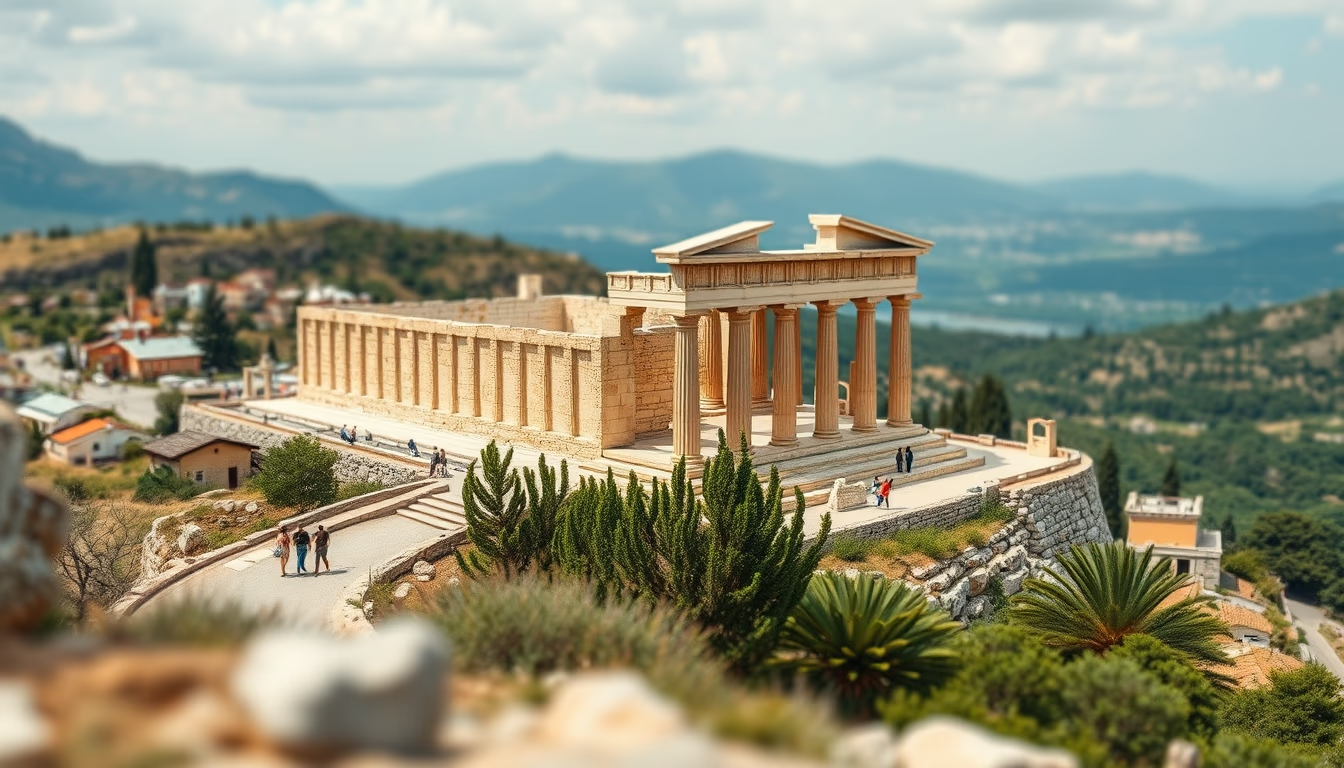
Agincourt field england
1344×768 · AVIF · CC BY 4.0

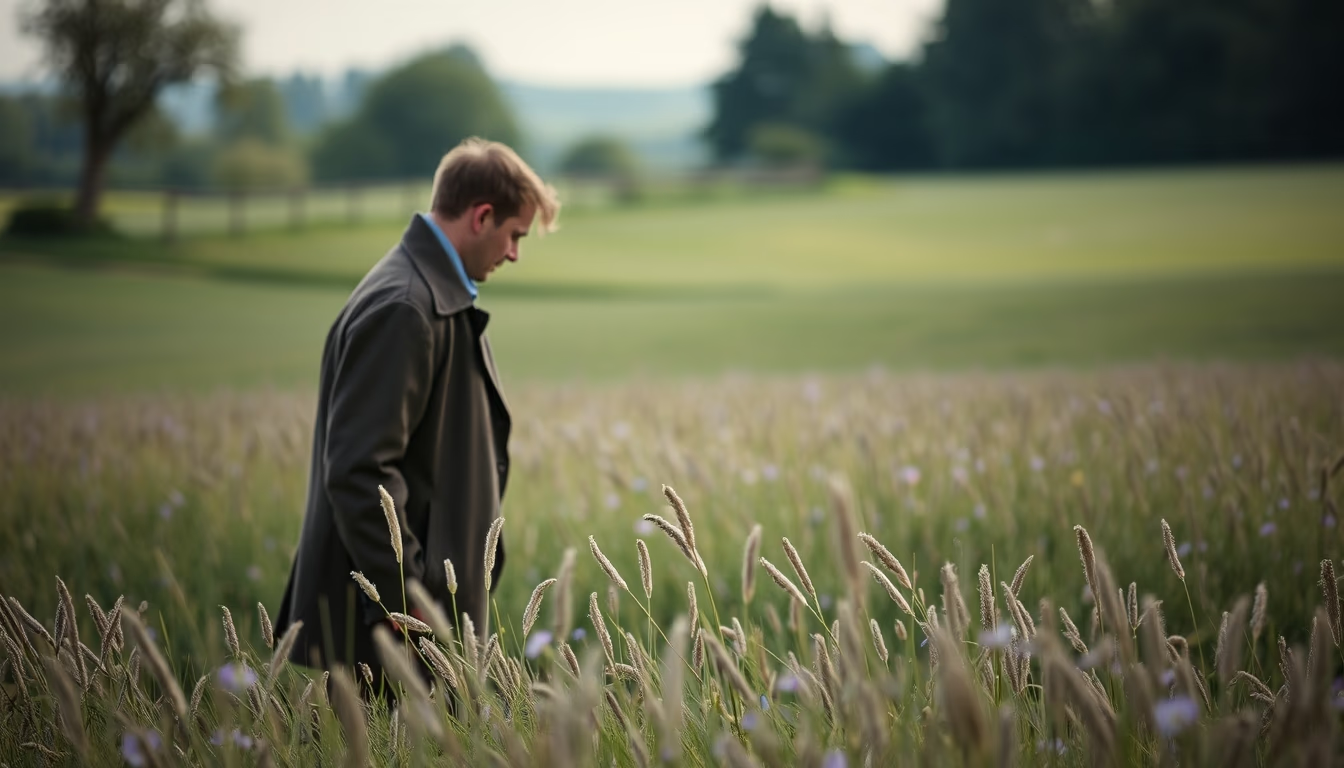
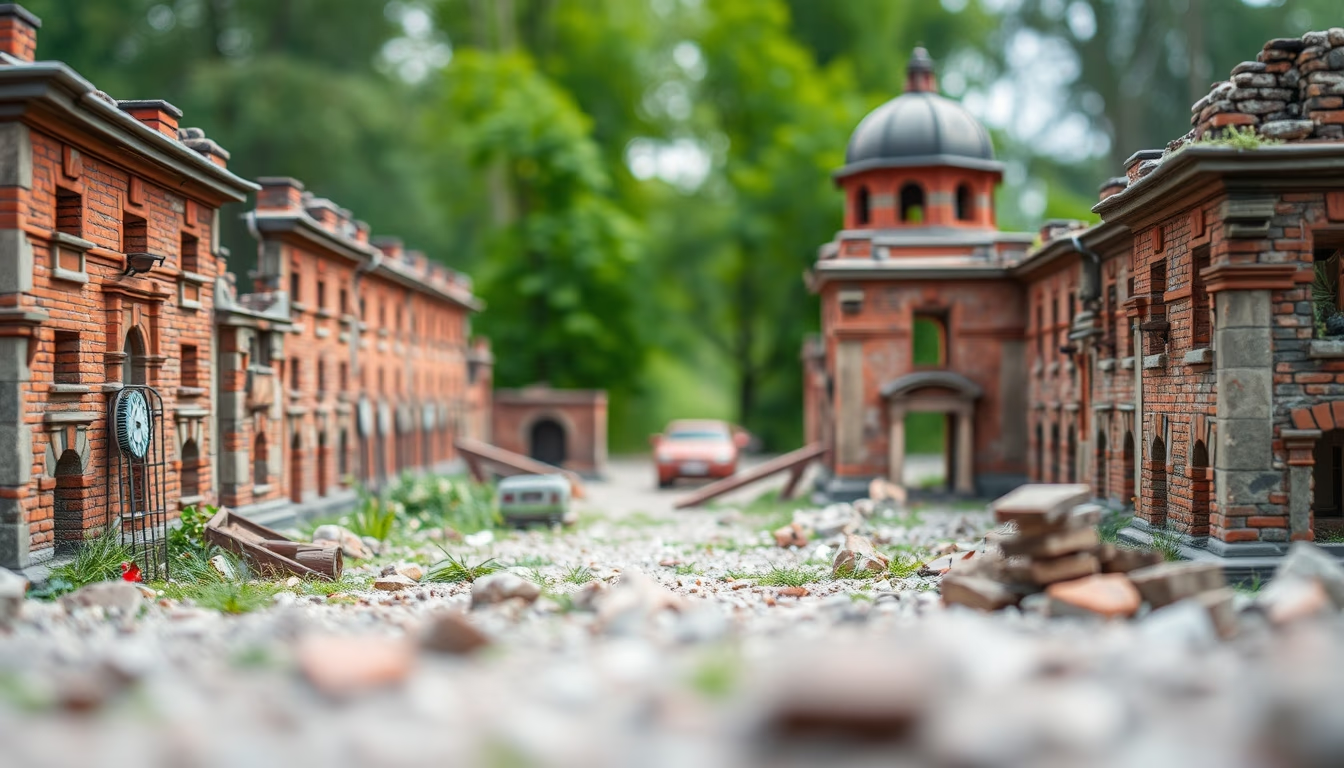
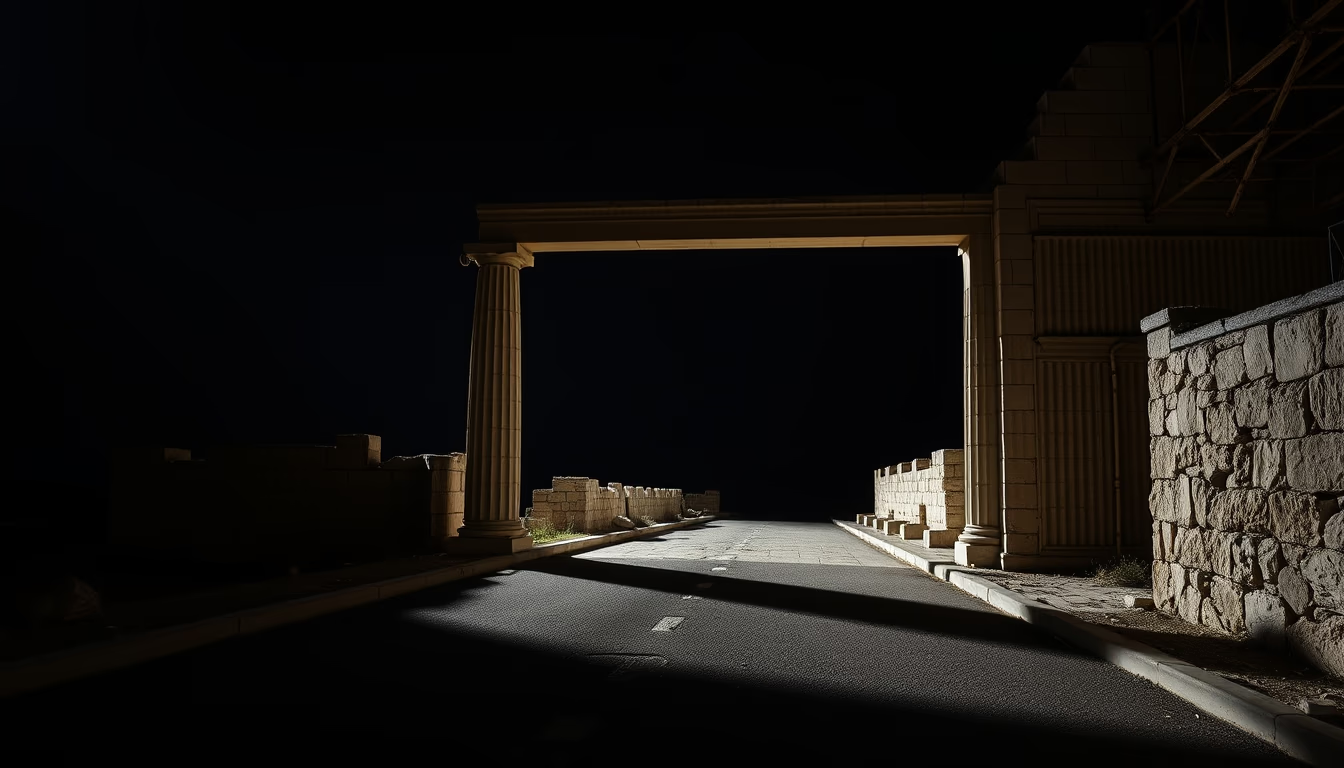
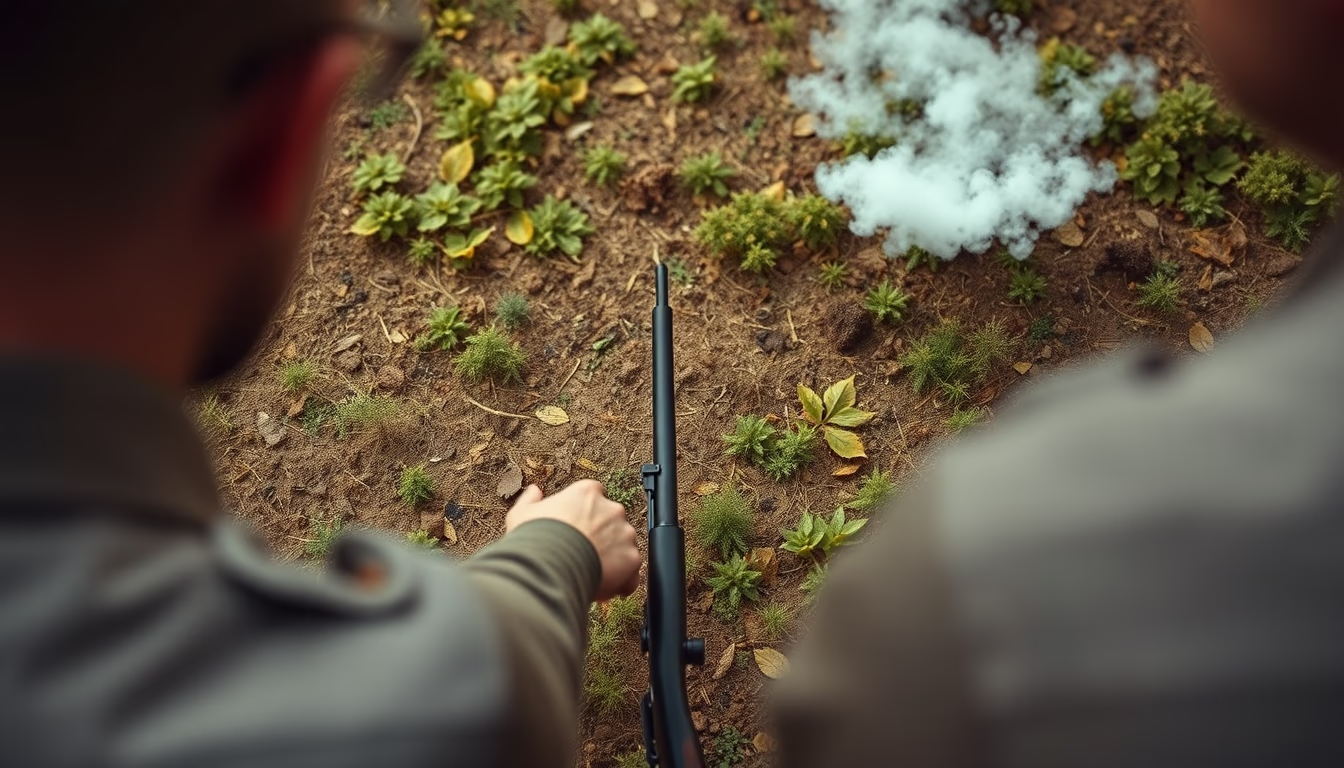
The Agincourt field in France was the site of the famous 1415 battle during the Hundred Years' War, where the English defeated the French.
About this subject
The Agincourt field (French: Azincourt) is an agricultural plain in northern France, near the village of Azincourt in the Pas-de-Calais department. It was here on October 25, 1415, that the Battle of Agincourt took place, one of the most iconic confrontations of the Hundred Years' War. The English army, led by King Henry V, faced a numerically superior French force, but a combination of English longbowmen, muddy terrain, and defensive tactics led to a decisive English victory.
The battle site remains relatively preserved, with open fields and few modern structures. Visitors can explore the Agincourt Historical Centre, which features exhibits on the battle and recovered artifacts. The field itself is marked by a memorial and informational plaques. The battle is famous for its military and cultural impact, immortalized by Shakespeare in his play "Henry V."
Interestingly, while the English name is "Agincourt," the French village is called Azincourt. The English pronunciation differs from the original French. The battlefield was officially listed as a historical monument in France in 2011. To this day, archaeologists find objects such as arrowheads and coins from the period, helping to understand the troop dispositions.
The battle had significant political consequences: it secured Henry V control over much of France and led to the Treaty of Troyes in 1420, which named him heir to the French throne. However, the war continued for decades. The Agincourt field symbolizes the effectiveness of the English longbowman and the vulnerability of heavy cavalry in muddy conditions.
Frequently Asked Questions
Where exactly is the Agincourt battlefield?
The battlefield is near the village of Azincourt in the Pas-de-Calais department of northern France, about 40 km south of Calais.
Why did the English win the Battle of Agincourt?
The English used longbowmen who shot arrows rapidly. The muddy terrain hindered the French cavalry, and the English defensive formation was effective.
What can you visit today at the Agincourt field?
There is the Agincourt Historical Centre with exhibits, a memorial on the field, and interpretive trails. The site is open to the public.
Direct URL
https://pub-c7d6a6ea828543ac903a74a341ccb2e1.r2.dev/imagens/agincourt-field-england-isometric-flat-lay-fresh13.avifHow to credit
Include a visible link back to UtilizAí. Copy one of the snippets below:
<a href="https://xn--utiliza-eza.com/en/midia/imagens/agincourt-field-england-isometric-flat-lay-fresh13">Agincourt field england</a> by <a href="https://xn--utiliza-eza.com">UtilizAí</a>, licensed under <a href="https://creativecommons.org/licenses/by/4.0/">CC BY 4.0</a>.
[Agincourt field england](https://xn--utiliza-eza.com/en/midia/imagens/agincourt-field-england-isometric-flat-lay-fresh13) by [UtilizAí](https://xn--utiliza-eza.com), CC BY 4.0
License: CC-BY-4.0