African lion in savanna
1344×768 · AVIF · CC BY 4.0
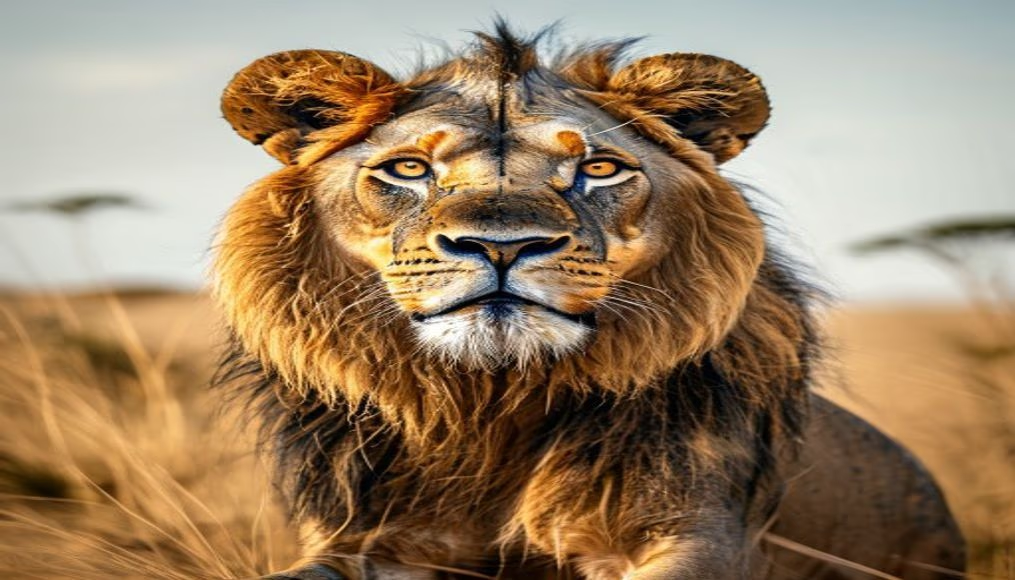
The African lion (Panthera leo) is the top predator of the savanna, a habitat spanning 13 sub-Saharan countries, with an estimated wild population of only 20,000 individuals.
About this subject
The African lion, scientifically known as Panthera leo, is one of the largest felids in the world and sits at the top of the food chain in African savannas. Its historical range covered nearly the entire African continent, but today the species is confined to protected areas in eastern and southern Africa, such as the Serengeti National Park (Tanzania) and the Maasai Mara National Reserve (Kenya). It is estimated that only about 20,000 lions remain in the wild, a drastic decline from 200,000 in the early 20th century, according to the International Union for Conservation of Nature (IUCN), which lists the species as vulnerable.
The savanna, the predominant ecosystem in eastern and southern Africa, is characterized by vast grasslands interspersed with sparse trees like acacias and baobabs. This environment provides ideal conditions for lions, which depend on prey such as wildebeests, zebras, and buffaloes, as well as offering camouflage for ambushes. Savannas face threats including agricultural expansion, illegal hunting, and climate change, all reducing available lion habitat.
Lions live in social groups called prides, composed of related females, their cubs, and one or more adult males. Each pride defends a territory that can range from 20 to 400 km², depending on prey availability. Females are responsible for most of the hunting, working in teams to take down larger animals. Males protect the group from intruders but have a shorter lifespan, averaging 10 to 14 years in the wild.
The image of a lion in the savanna evokes the power and beauty of wildlife but also the fragility of conservation. The species faces conflicts with local communities, who often lose livestock to the cats. Conservation initiatives, such as the Lion Guardians program in Kenya, aim to mitigate these conflicts and promote coexistence. Wildlife tourism is an important revenue source for African countries but requires sustainable practices to avoid harming animals.
Frequently Asked Questions
What is the difference between an African lion and an Asian lion?
The African lion (Panthera leo leo) is slightly larger and has a more developed mane than the Asian lion (Panthera leo persica), which lives only in the Gir Forest of India. Asian lions have a longitudinal fold of skin on the belly and live in smaller groups.
How many lions are left in the savanna today?
It is estimated that between 20,000 and 25,000 African lions remain in the wild, mostly concentrated in national parks and reserves in Tanzania, Kenya, South Africa, and Botswana.
Why are lions considered a vulnerable species?
The IUCN classifies the lion as vulnerable due to a 43% population decline over the past three decades, caused by habitat loss, poaching, human-wildlife conflict, and diseases such as distemper.
Direct URL
https://pub-c7d6a6ea828543ac903a74a341ccb2e1.r2.dev/imagens/african-lion-in-savanna-commercial-product-photography-v9.avifHow to credit
Include a visible link back to UtilizAí. Copy one of the snippets below:
<a href="https://xn--utiliza-eza.com/en/midia/imagens/african-lion-in-savanna-commercial-product-photography-v9">African lion in savanna</a> by <a href="https://xn--utiliza-eza.com">UtilizAí</a>, licensed under <a href="https://creativecommons.org/licenses/by/4.0/">CC BY 4.0</a>.
[African lion in savanna](https://xn--utiliza-eza.com/en/midia/imagens/african-lion-in-savanna-commercial-product-photography-v9) by [UtilizAí](https://xn--utiliza-eza.com), CC BY 4.0
License: CC-BY-4.0