Aeropress coffee station
1344×768 · AVIF · CC BY 4.0
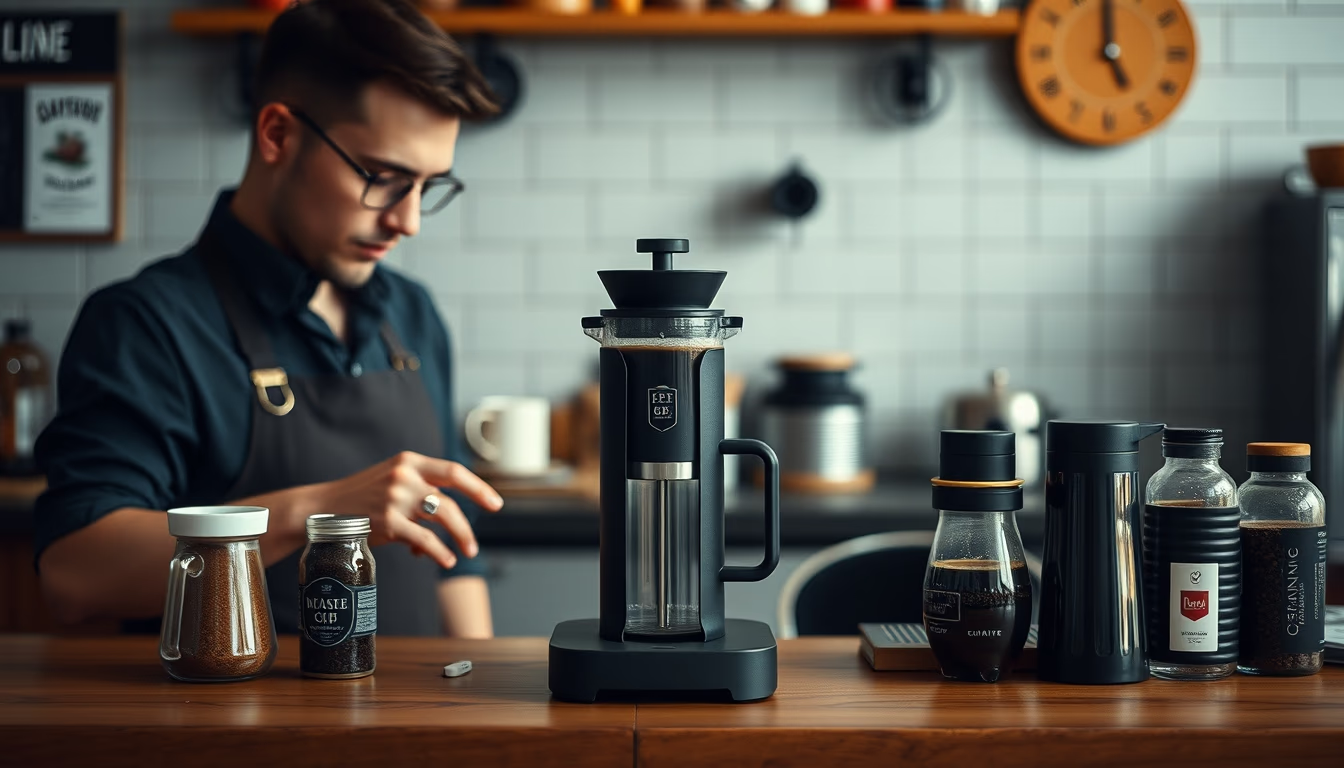
The AeroPress is a coffee brewing method using pressure, invented in 2005, combining simplicity and versatility to produce clean, full-bodied cups.
About this subject
The AeroPress was invented by Alan Adler, an American engineer and inventor, in 2005. Unlike traditional coffee makers, it uses manual pressure to force hot water through ground coffee, resulting in a fast and efficient extraction. The process takes about 1 to 2 minutes and produces a low-acidity, low-bitter drink, similar to filter coffee but with a fuller body when using the standard method.
Its compact and portable design made the AeroPress popular among travelers and coffee enthusiasts. Made of polycarbonate plastic and rubber, it is durable and easy to clean. There are various brewing recipes, such as the inverted method, which changes the flavor profile. The AeroPress is often used in coffee competitions, like the World AeroPress Championship, held annually since 2008, attracting baristas from around the globe.
Culturally, the AeroPress represents a democratization of specialty coffee. Being affordable and allowing experimentation, it has become an educational tool for those wanting to explore different beans and grinds. In Brazil, a country with a strong coffee culture, the AeroPress gained followers mainly among specialty coffee consumers who value control over extraction. The 'pressure' technique (similar to pressure applied in industrial espresso machines) brings home brewing closer to professional results.
A technical curiosity: the original AeroPress uses micro-perforated paper filters, but reusable metal or cloth versions exist. Paper filters retain oils and sediments, resulting in a cleaner cup, while metal filters allow more oils to pass through, increasing body. This contrast illustrates how small choices drastically alter the final taste, making the AeroPress an educational platform about coffee extraction chemistry.
Frequently Asked Questions
What is the origin of the AeroPress?
It was invented in 2005 by Alan Adler, an American engineer, who sought a quick and practical method for making coffee at home.
How does the AeroPress compare to traditional pour-over coffee?
The AeroPress produces a fuller-bodied coffee with less acidity, thanks to manual pressure that extracts flavors more quickly and efficiently.
What are the main types of filters used in the AeroPress?
The most common are disposable paper filters, but reusable metal or cloth options exist, which alter the flavor profile.
Direct URL
https://pub-c7d6a6ea828543ac903a74a341ccb2e1.r2.dev/imagens/aeropress-coffee-station-film-grain-authentic-p2.avifHow to credit
Include a visible link back to UtilizAí. Copy one of the snippets below:
<a href="https://xn--utiliza-eza.com/en/midia/imagens/aeropress-coffee-station-film-grain-authentic-p2">Aeropress coffee station</a> by <a href="https://xn--utiliza-eza.com">UtilizAí</a>, licensed under <a href="https://creativecommons.org/licenses/by/4.0/">CC BY 4.0</a>.
[Aeropress coffee station](https://xn--utiliza-eza.com/en/midia/imagens/aeropress-coffee-station-film-grain-authentic-p2) by [UtilizAí](https://xn--utiliza-eza.com), CC BY 4.0
License: CC-BY-4.0