Acropolis athens panorama
1344×768 · AVIF · CC BY 4.0
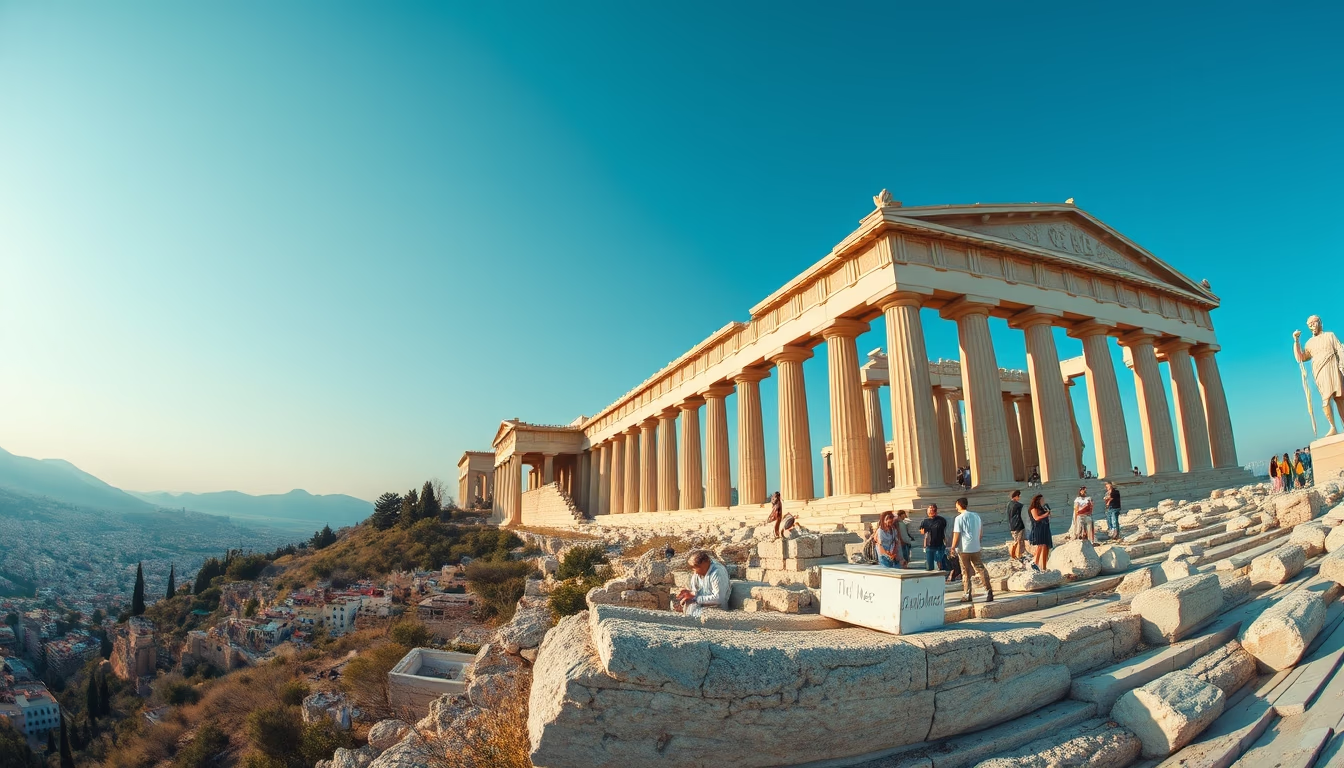
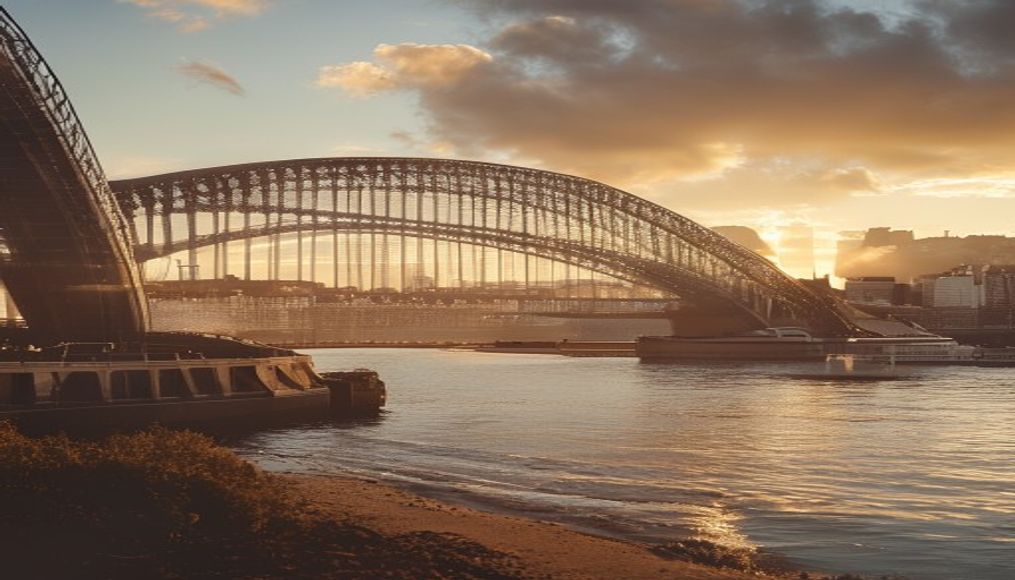
Sunset over the Acropolis of Athens reveals the Parthenon and other classical temples in a panoramic fisheye view.
About this subject
The Acropolis of Athens, perched on a rocky hill 156 meters above sea level, is the ultimate symbol of Ancient Greece and the legacy of Western civilization. Its name derives from the Greek "akron" (highest point) and "polis" (city), serving as a fortified citadel since the Mycenaean period (c. 1600 BC). The architectural complex was largely rebuilt under Pericles in the 5th century BC after the Persian destruction in 480 BC, with works supervised by sculptor Phidias. The Parthenon, dedicated to the goddess Athena Parthenos, is the most iconic building, constructed between 447 and 432 BC using marble from Mount Pentelicus. Its Doric columns standing 10.4 meters high and optical corrections (such as the slight curvature of the base) demonstrate the technical skill of architects Ictinus and Callicrates. Beyond the Parthenon, the site includes the Erechtheion, famous for its caryatids (female-form columns), the Temple of Athena Nike, and the Propylaea, the monumental entrance gate. The Acropolis was declared a UNESCO World Heritage Site in 1987 and receives about 3 million visitors annually. Since 1975, an ambitious restoration project has aimed to recover original elements using anastylosis techniques, with pieces reassembled without modern adhesives. The Acropolis Museum, opened in 2009, displays over 4,000 artifacts, including the Parthenon pediment sculptures. The panoramic view from the hill allows observation of the entire Athenian basin, from Mount Lycabettus to the Aegean Sea. In 2021, the Greek government started installing elevated walkways to protect the soil from erosion caused by millions of footsteps.
Frequently Asked Questions
How old is the Acropolis of Athens?
The hill has been occupied since the Mycenaean period around 1600 BC, but the main temples were built in the 5th century BC, about 2,500 years ago.
Why is the Parthenon partially destroyed?
The Parthenon suffered damage over centuries: an explosion in 1687 during the Venetian siege, looting of sculptures in the 19th century, and modern pollution. Restoration projects now aim to preserve its structure.
What are the caryatids of the Erechtheion?
The caryatids are six female statues acting as columns supporting the south porch of the Erechtheion. The originals are in the Acropolis Museum; replicas are on site to protect them from erosion.
Direct URL
https://pub-c7d6a6ea828543ac903a74a341ccb2e1.r2.dev/imagens/acropolis-athens-panorama-fish-eye-wide-angle-p5.avifHow to credit
Include a visible link back to UtilizAí. Copy one of the snippets below:
<a href="https://xn--utiliza-eza.com/en/midia/imagens/acropolis-athens-panorama-fish-eye-wide-angle-p5">Acropolis athens panorama</a> by <a href="https://xn--utiliza-eza.com">UtilizAí</a>, licensed under <a href="https://creativecommons.org/licenses/by/4.0/">CC BY 4.0</a>.
[Acropolis athens panorama](https://xn--utiliza-eza.com/en/midia/imagens/acropolis-athens-panorama-fish-eye-wide-angle-p5) by [UtilizAí](https://xn--utiliza-eza.com), CC BY 4.0
License: CC-BY-4.0