Zen rock garden
1344×768 · AVIF · CC BY 4.0
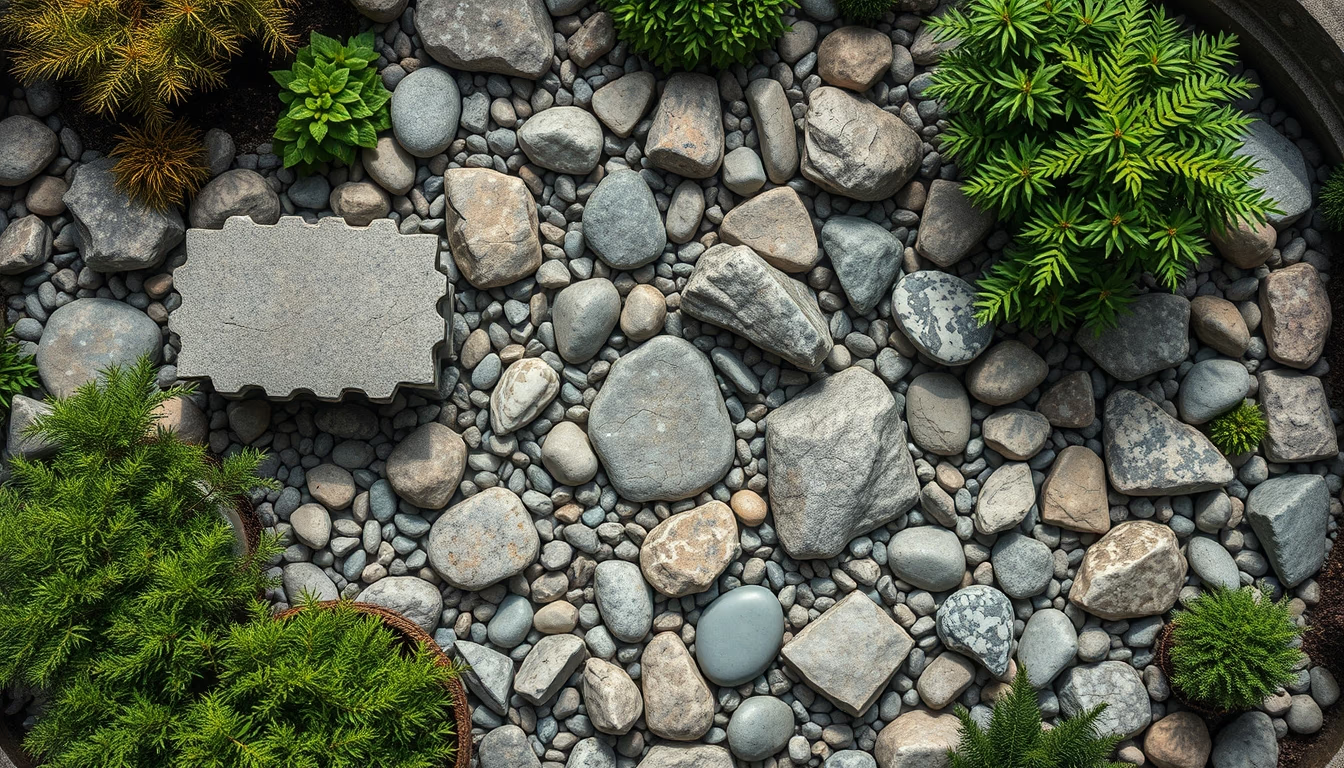
A Zen rock garden, or karesansui, is a minimalist dry landscape symbolizing natural elements like water and mountains, used in Buddhist temples for meditation.
About this subject
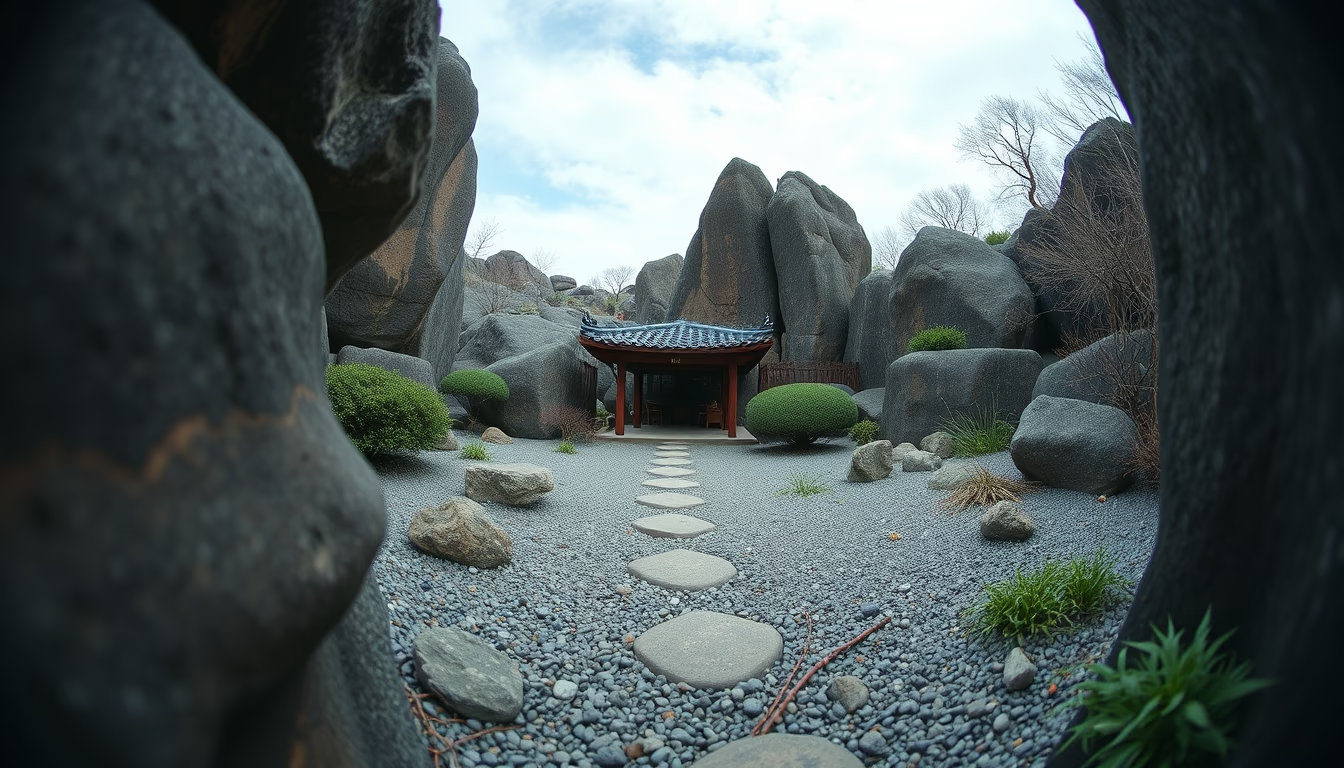
The Zen rock garden, known as karesansui (dry landscape) in Japanese, is a form of landscape art dating back to the Muromachi period (1336-1573) in Japan. Unlike traditional gardens with water and plants, karesansui uses white gravel or sand raked to represent rivers and oceans, with rocks strategically placed to suggest islands or mountains. The most famous example is the garden at Ryoanji temple in Kyoto, a UNESCO World Heritage site, where 15 rocks are arranged so that only 14 are visible from any angle, inviting contemplation.
These gardens are integral to Zen temples and serve as aids to meditation. The composition follows aesthetic principles such as wabi-sabi (beauty in imperfection) and yohaku-no-bi (beauty of empty space). Contrary to popular belief, monks do not rake the gravel daily as a ritual; maintenance occurs as needed to preserve the patterns.
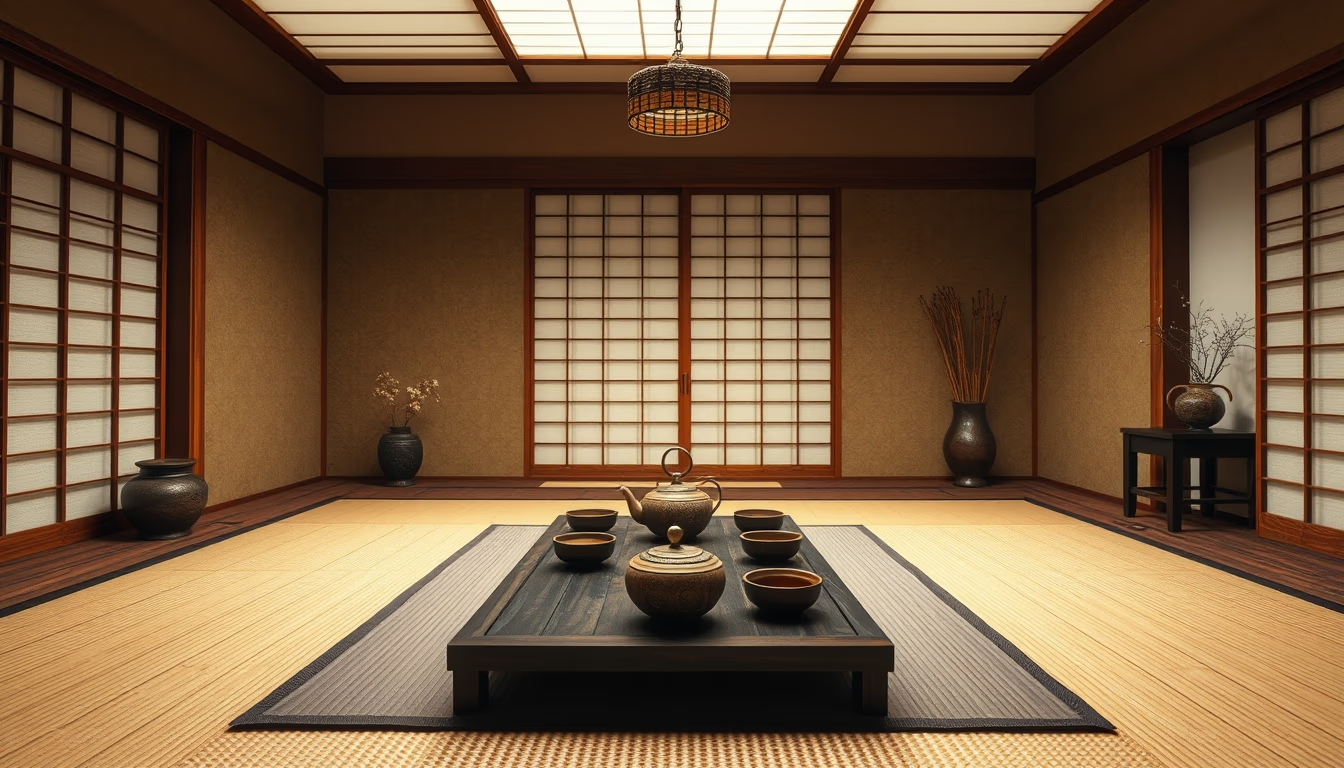
Although the 'tea-ceremony' category might suggest a direct link, Zen rock gardens are more commonly associated with Zen temples. However, the Japanese tea ceremony (chanoyu) often takes place in tea houses (chashitsu) adjacent to gardens that include karesansui elements, creating a peaceful environment before the ceremony. Many Zen temples with rock gardens also host tea ceremonies, uniting meditation and tea practices.
Interestingly, Zen rock gardens are a Japanese invention, though rooted in ancient Chinese landscaping practices. They have become popular in the West as symbols of simplicity and mindfulness, often replicated in miniature forms like this isometric flat-lay image. A typical composition includes rocks of varying sizes, raked gravel, moss, and occasionally a small tree or shrub, representing a microcosm of the universe.
Frequently Asked Questions
What is the difference between a Zen rock garden and a regular Japanese garden?
A Zen rock garden (karesansui) is a dry style using sand and rocks to represent water and mountains, without aquatic plants. Regular Japanese gardens often feature ponds, streams, and living vegetation.
Why are Zen rock gardens associated with the tea ceremony?
Although not exclusive, many Zen temples with karesansui host tea ceremonies. The garden serves as a preparatory space, promoting tranquility before the ritual.
Can I create a mini Zen rock garden at home?
Yes, it's common to make smaller versions using a tray, fine sand, and rocks. Choose rocks of varied shapes and rake patterns with a mini rake. It's a mindfulness practice.
Direct URL
https://pub-c7d6a6ea828543ac903a74a341ccb2e1.r2.dev/imagens/zen-rock-garden-isometric-flat-lay-fresh17.avifHow to credit
Include a visible link back to UtilizAí. Copy one of the snippets below:
<a href="https://xn--utiliza-eza.com/en/midia/imagens/zen-rock-garden-isometric-flat-lay-fresh17">Zen rock garden</a> by <a href="https://xn--utiliza-eza.com">UtilizAí</a>, licensed under <a href="https://creativecommons.org/licenses/by/4.0/">CC BY 4.0</a>.
[Zen rock garden](https://xn--utiliza-eza.com/en/midia/imagens/zen-rock-garden-isometric-flat-lay-fresh17) by [UtilizAí](https://xn--utiliza-eza.com), CC BY 4.0
License: CC-BY-4.0