Zen rock garden
1344×768 · AVIF · CC BY 4.0
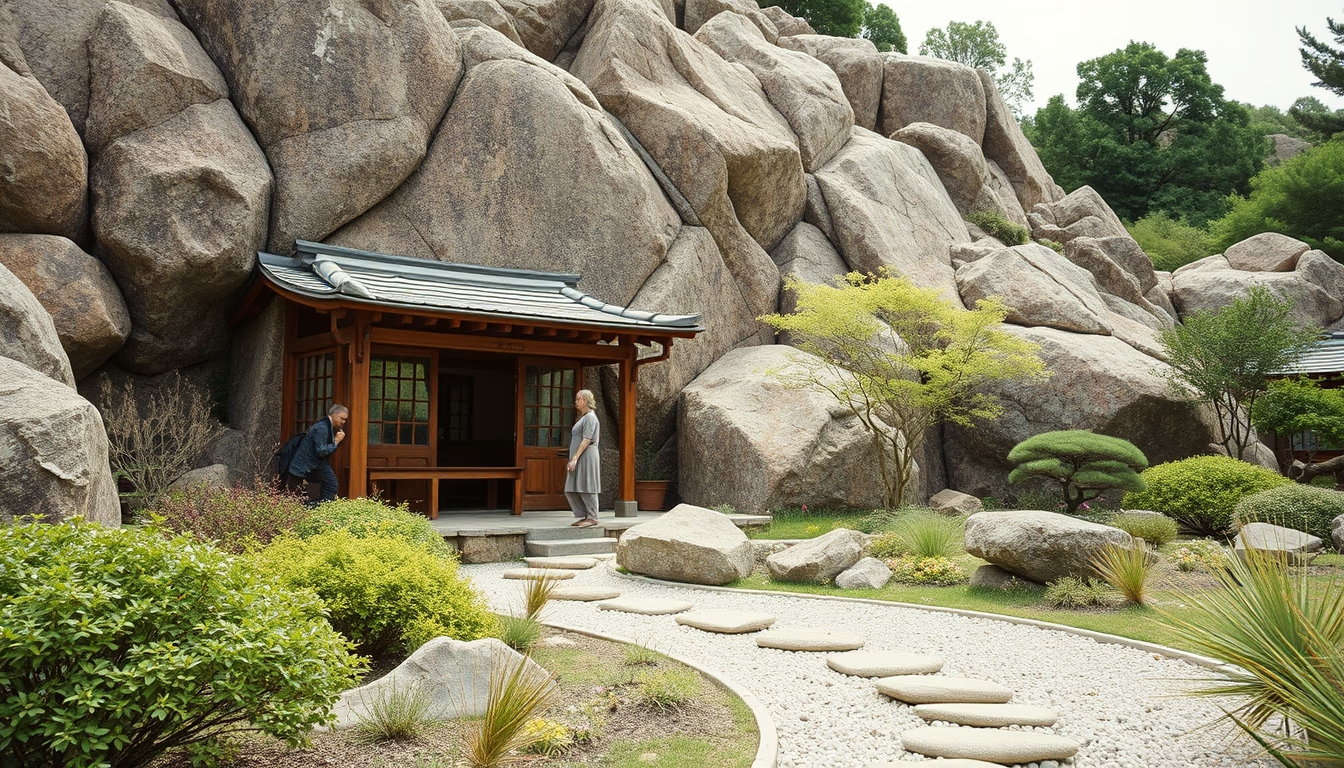
A Zen rock garden, or karesansui, is a Japanese dry landscape style using rocks, sand, and gravel to abstractly represent nature and aid meditation.
About this subject
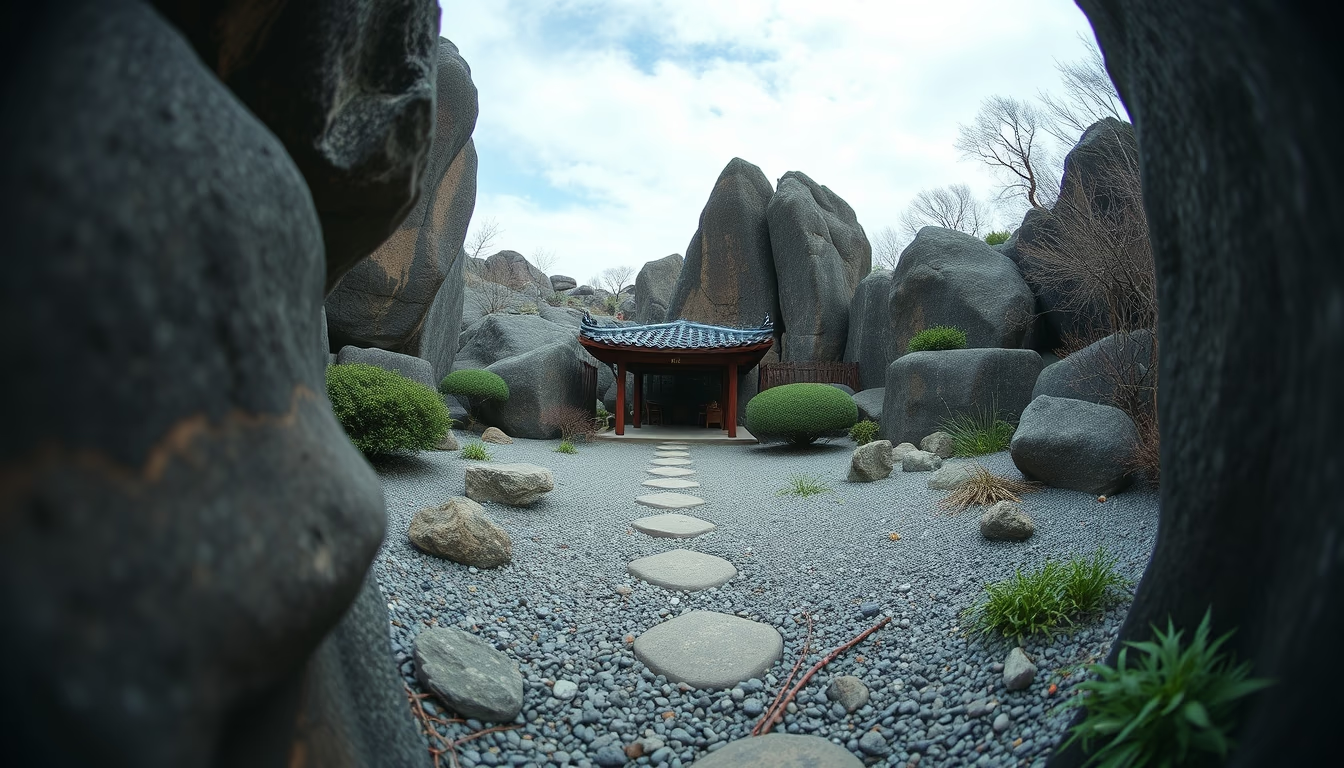
The Zen rock garden, known as karesansui (dry landscape), is a Japanese garden style deeply rooted in Zen Buddhism, originating during the Muromachi period (14th, 16th centuries). Monks designed these spaces for meditation, aiming to distill nature's essence into minimal elements. Unlike traditional gardens with ponds and vegetation, karesansui uses only rocks, white gravel or sand, and sometimes moss. Rocks represent mountains or islands, while gravel is raked into patterns mimicking water currents or ocean waves.
The most iconic example is the garden at Ryoanji Temple in Kyoto, a UNESCO World Heritage site. It features fifteen rocks arranged on white gravel, designed so that only fourteen are visible from any viewpoint, an invitation to contemplate incompleteness and impermanence. Daily raking by monks is a meditative practice, reinforcing discipline and mindfulness.
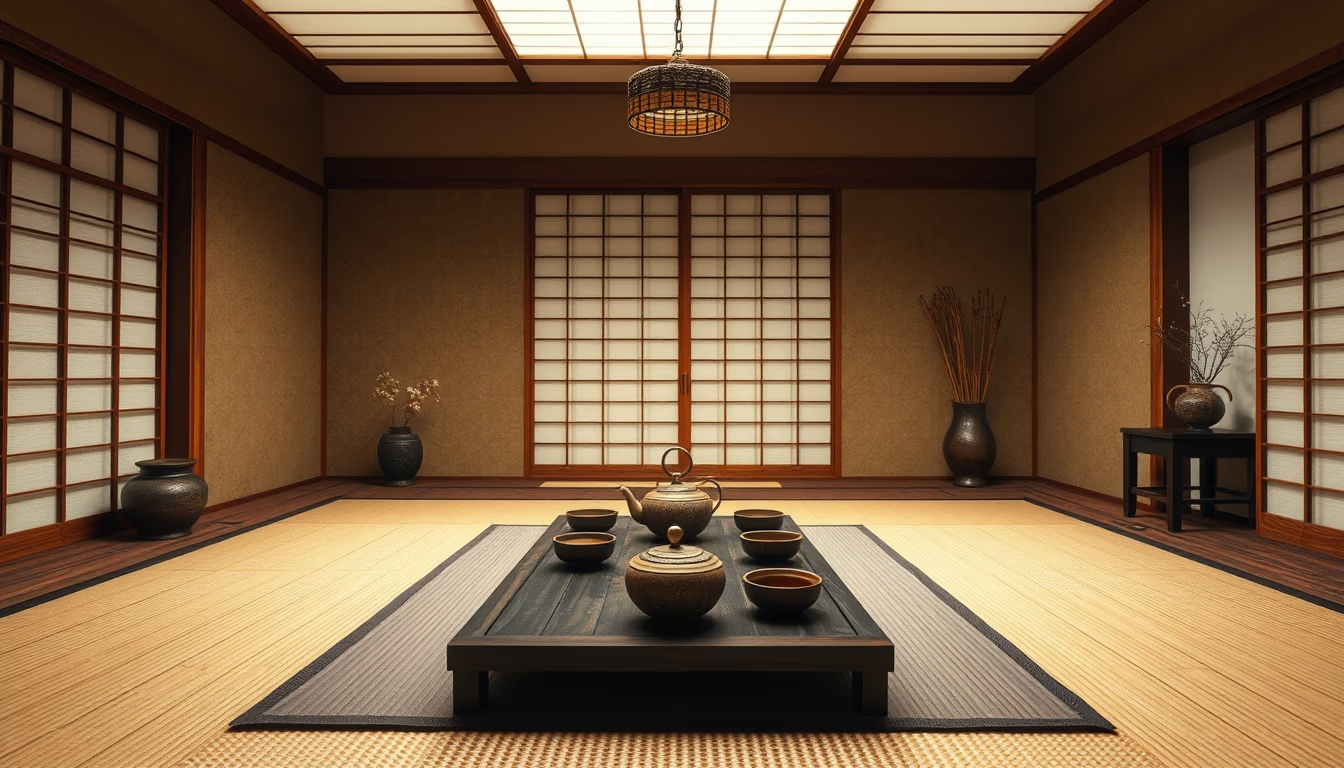
Karesansui follows strict aesthetic principles: stones are selected for shape, texture, and color, and arranged asymmetrically to create dynamic balance. Gardens often include other elements like stone lanterns, water basins (tsukubai), and stepping-stone paths, which are also integral to the Japanese tea ceremony (chanoyu). Both the Zen garden and the tea room are crafted to foster tranquility and present-moment awareness.
Today, Zen gardens are replicated globally, from Buddhist temples to private homes and public parks. Notable examples in Brazil include the Zen Garden at the Niterói Contemporary Art Museum and one in São Paulo's Parque da Cidade. Their worldwide appeal lies in offering a calm oasis amidst urban bustle, encouraging introspection and a minimalist connection with nature.
Frequently Asked Questions
What does the raked gravel in a Zen garden represent?
The wavy patterns in the gravel represent flowing water, such as rivers or ocean waves. They are created with rakes and redone daily as a practice of meditation and impermanence.
Why does Ryoanji garden have only 14 visible rocks if there are 15?
The garden's design prevents all 15 rocks from being seen from any single viewpoint. This symbolizes the Zen concept that perfection is unattainable, encouraging acceptance of incompleteness.
Can I have a Zen garden at home? How do I maintain it?
Yes, you can create a miniature Zen garden using a tray, sand, and small stones. Maintenance involves smoothing the sand with a mini rake and rearranging the stones mindfully, always with calm and focus.
Direct URL
https://pub-c7d6a6ea828543ac903a74a341ccb2e1.r2.dev/imagens/zen-rock-garden-film-grain-authentic-fresh13.avifHow to credit
Include a visible link back to UtilizAí. Copy one of the snippets below:
<a href="https://xn--utiliza-eza.com/en/midia/imagens/zen-rock-garden-film-grain-authentic-fresh13">Zen rock garden</a> by <a href="https://xn--utiliza-eza.com">UtilizAí</a>, licensed under <a href="https://creativecommons.org/licenses/by/4.0/">CC BY 4.0</a>.
[Zen rock garden](https://xn--utiliza-eza.com/en/midia/imagens/zen-rock-garden-film-grain-authentic-fresh13) by [UtilizAí](https://xn--utiliza-eza.com), CC BY 4.0
License: CC-BY-4.0