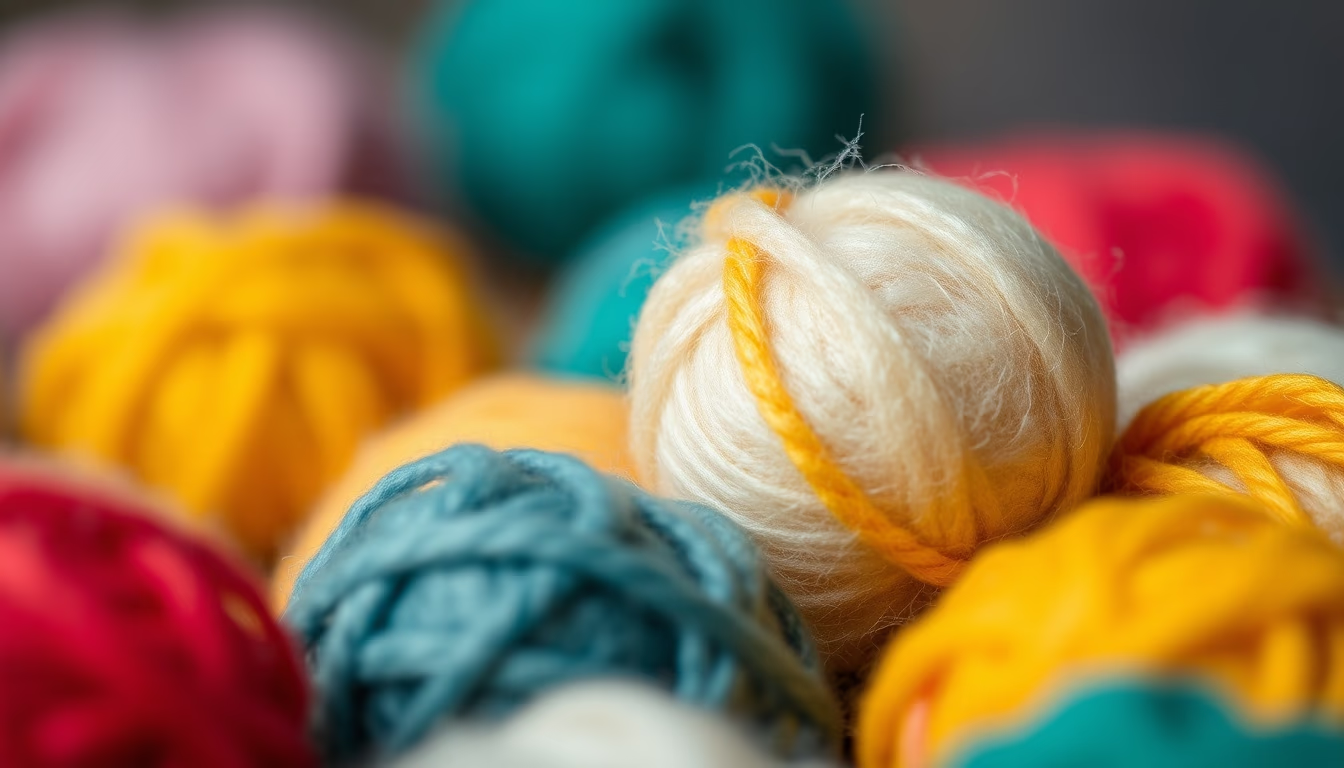
Wool yarn skeins rainbow
1344×768 · AVIF · CC BY 4.0
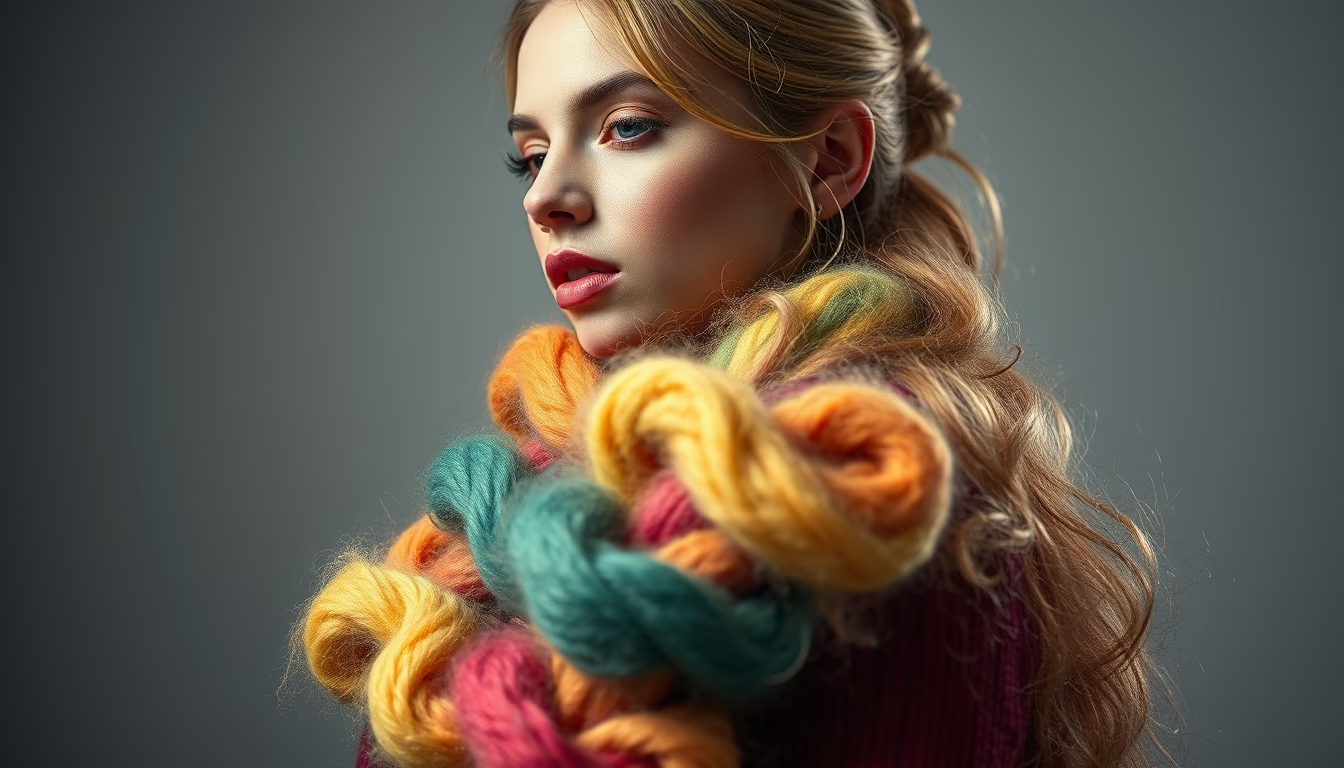
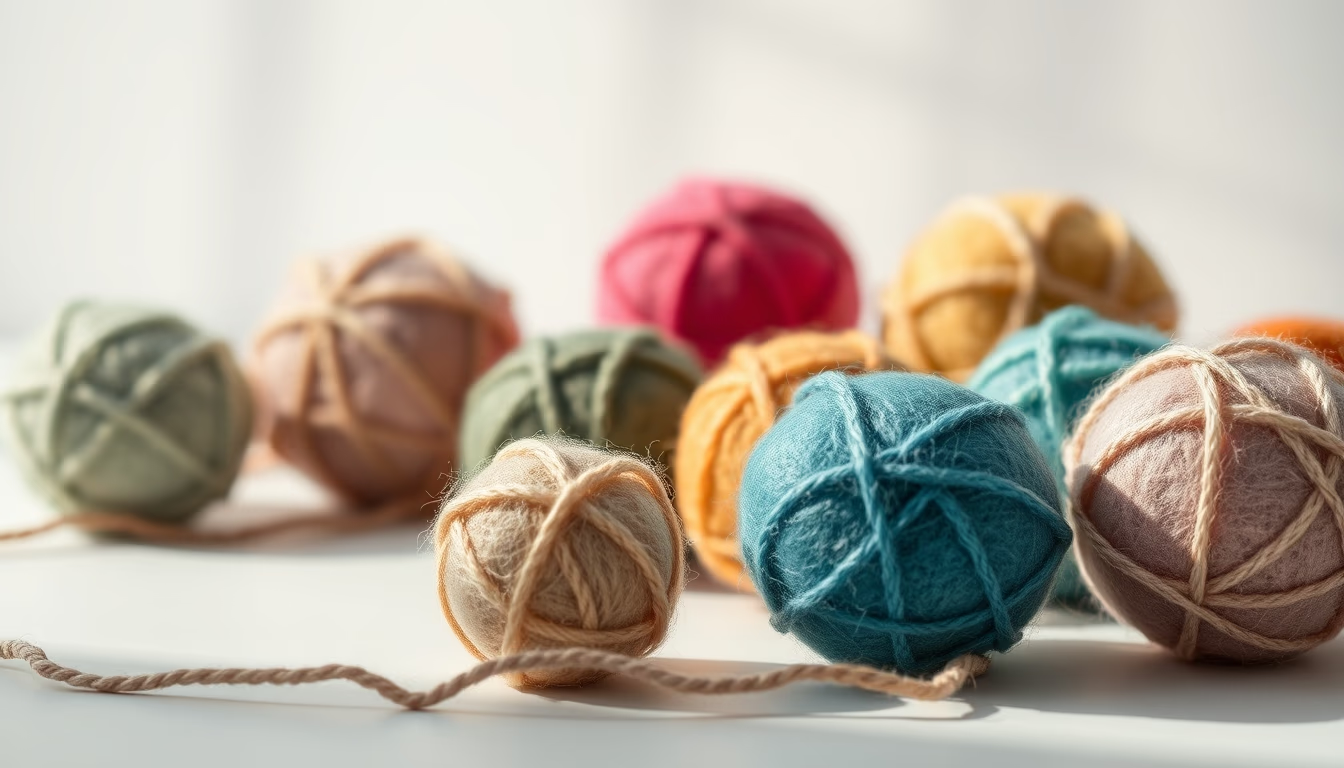
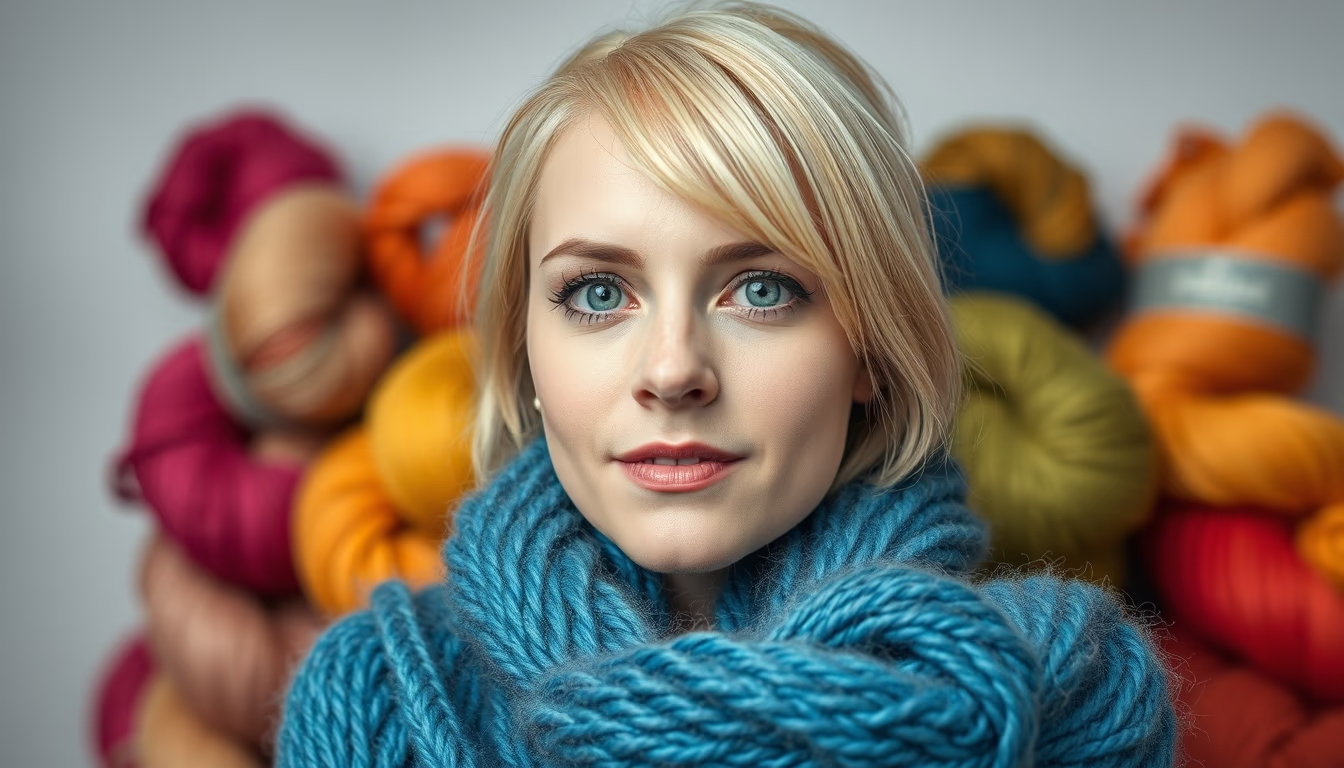
Rainbow-colored wool yarn skeins, a versatile raw material for knitting, crochet, and tapestry, with applications in artisan fashion and contemporary textile design.
About this subject
Wool is a natural fiber obtained from sheep shearing, known for its thermal properties, elasticity, and moisture absorption. Rainbow-colored skeins represent a full chromatic palette, widely used in colorful projects such as plaid blankets, gradient scarves, and statement fashion pieces. The color sequence can follow the classic rainbow (red, orange, yellow, green, blue, violet) or variations like pastel or neon tones, depending on the desired effect.
The use of vibrant colors in wool dates back to weaving traditions in various cultures. Andean ponchos, for example, display multicolored stripes achieved with natural dyes like cochineal and annatto. Navajo blankets from Indigenous North Americans also employ strong colors and geometric patterns. In contemporary fashion, the rainbow theme has been adopted as a symbol of diversity and inclusion, especially after the creation of the LGBTQ+ flag by Gilbert Baker in 1978. Designers such as Vivienne Westwood and Brazilian names like Karim Rashid have incorporated colored wool in haute couture collections, exploring textures and contrasts.
From a technical standpoint, yarn thickness determines the type of project: fine yarns (lace or fingering) are ideal for delicate shawls, while thick yarns (chunky or super bulky) produce quick, voluminous pieces like blankets and scarves. The dyeing process can be artisanal or industrial. Hand dyeing allows for unique gradients (e.g., self-striping effects) and exclusive colors using acid dyes for wool. Industrial dyeing ensures uniformity and colorfastness. A curiosity: wool dyed with natural dyes tends to have softer tones and may fade over time, while synthetic dyes offer more intense and lasting colors. Producing multicolored skeins is a way to reduce waste by using leftover dye from different baths.
Frequently Asked Questions
How to choose the ideal wool yarn thickness for a project?
Yarn thickness determines the drape and texture. Fine yarns (lace, fingering) suit delicate projects like shawls and socks. Medium yarns (DK, worsted) work for sweaters and accessories. Thick yarns (chunky, super bulky) produce blankets and scarves quickly. Check the recommended needle size on the label.
What dyeing techniques produce such vivid colors?
Vivid colors in wool are achieved with acid dyes (synthetic) or natural dyes like cochineal (red), indigo (blue), and chamomile flowers (yellow). Hand dyeing allows gradient effects, while industrial dyeing ensures uniformity. Fixation with heat and vinegar is essential for colorfastness.
Is colored wool more expensive than natural wool?
Generally yes, because the dyeing process adds cost, especially if done by hand. However, affordable industrially dyed wool is available. Undyed natural wool is usually cheaper, but colored varieties are preferred for design projects.
Direct URL
https://pub-c7d6a6ea828543ac903a74a341ccb2e1.r2.dev/imagens/wool-yarn-skeins-rainbow-high-fashion-editorial-fresh5.avifHow to credit
Include a visible link back to UtilizAí. Copy one of the snippets below:
<a href="https://xn--utiliza-eza.com/en/midia/imagens/wool-yarn-skeins-rainbow-high-fashion-editorial-fresh5">Wool yarn skeins rainbow</a> by <a href="https://xn--utiliza-eza.com">UtilizAí</a>, licensed under <a href="https://creativecommons.org/licenses/by/4.0/">CC BY 4.0</a>.
[Wool yarn skeins rainbow](https://xn--utiliza-eza.com/en/midia/imagens/wool-yarn-skeins-rainbow-high-fashion-editorial-fresh5) by [UtilizAí](https://xn--utiliza-eza.com), CC BY 4.0
License: CC-BY-4.0