Wool yarn skeins rainbow
1344×768 · AVIF · CC BY 4.0
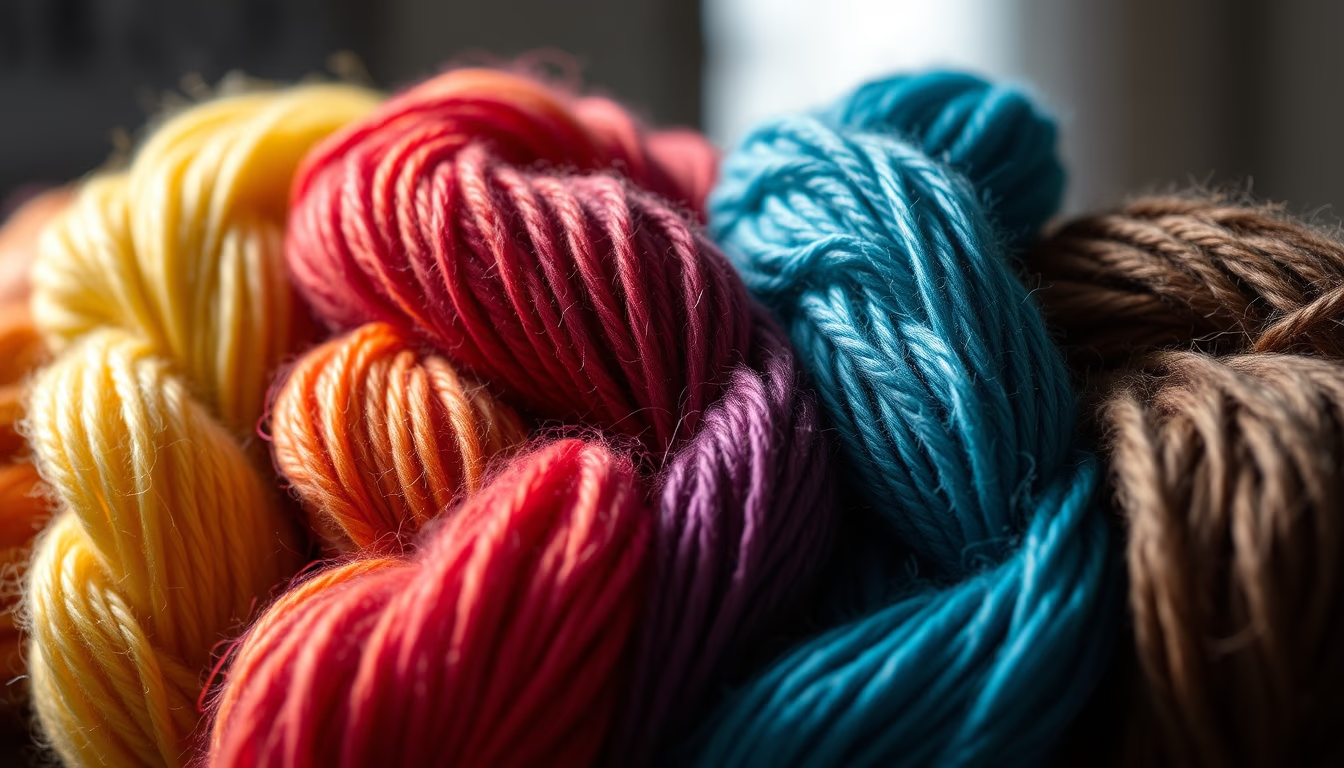
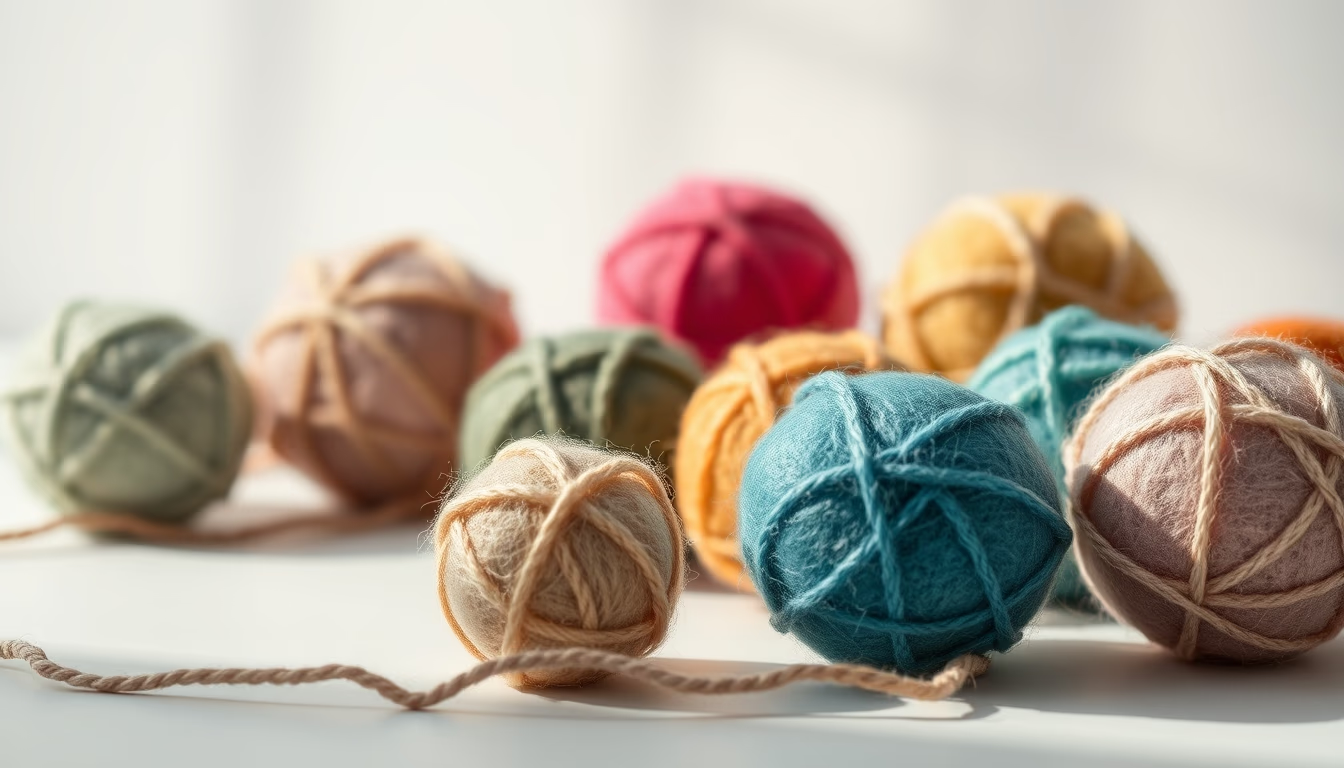
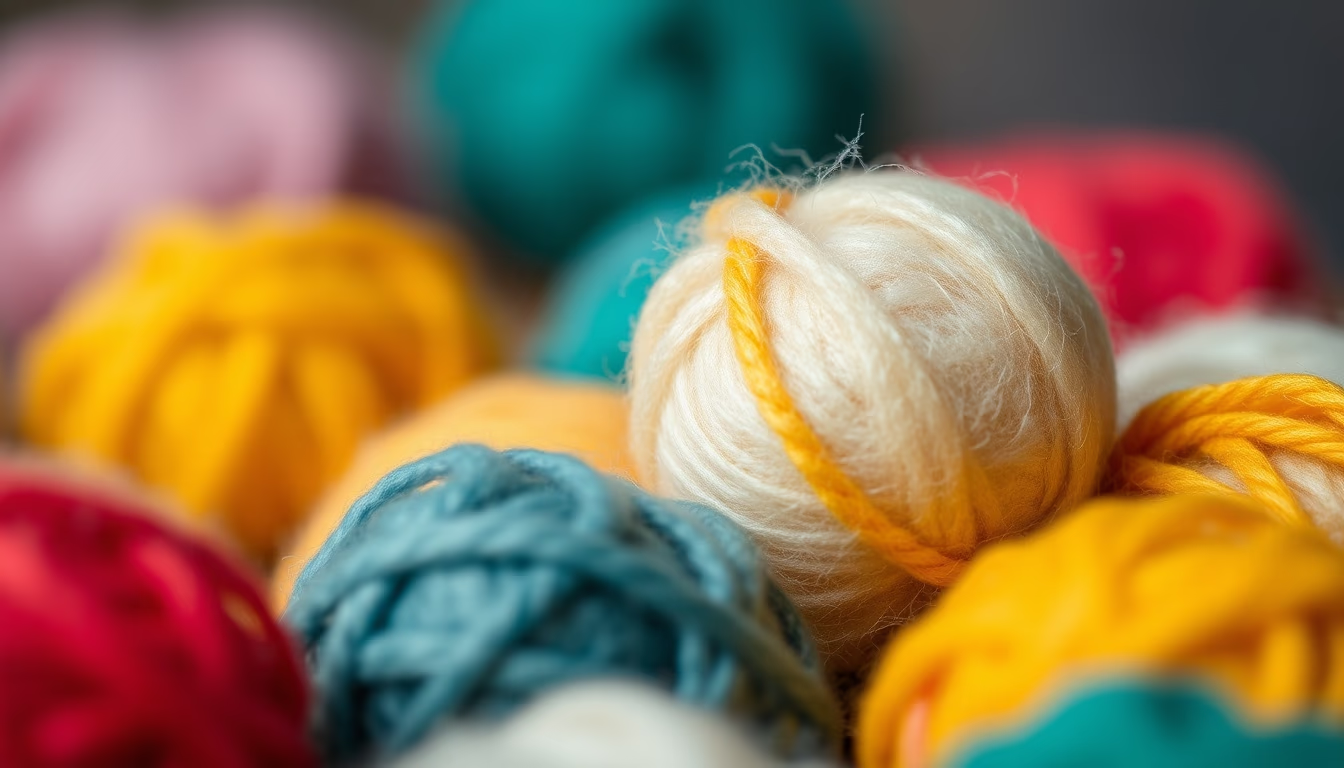
Rainbow wool yarn skeins, showcasing the wide color variety available in textile crafts.
About this subject
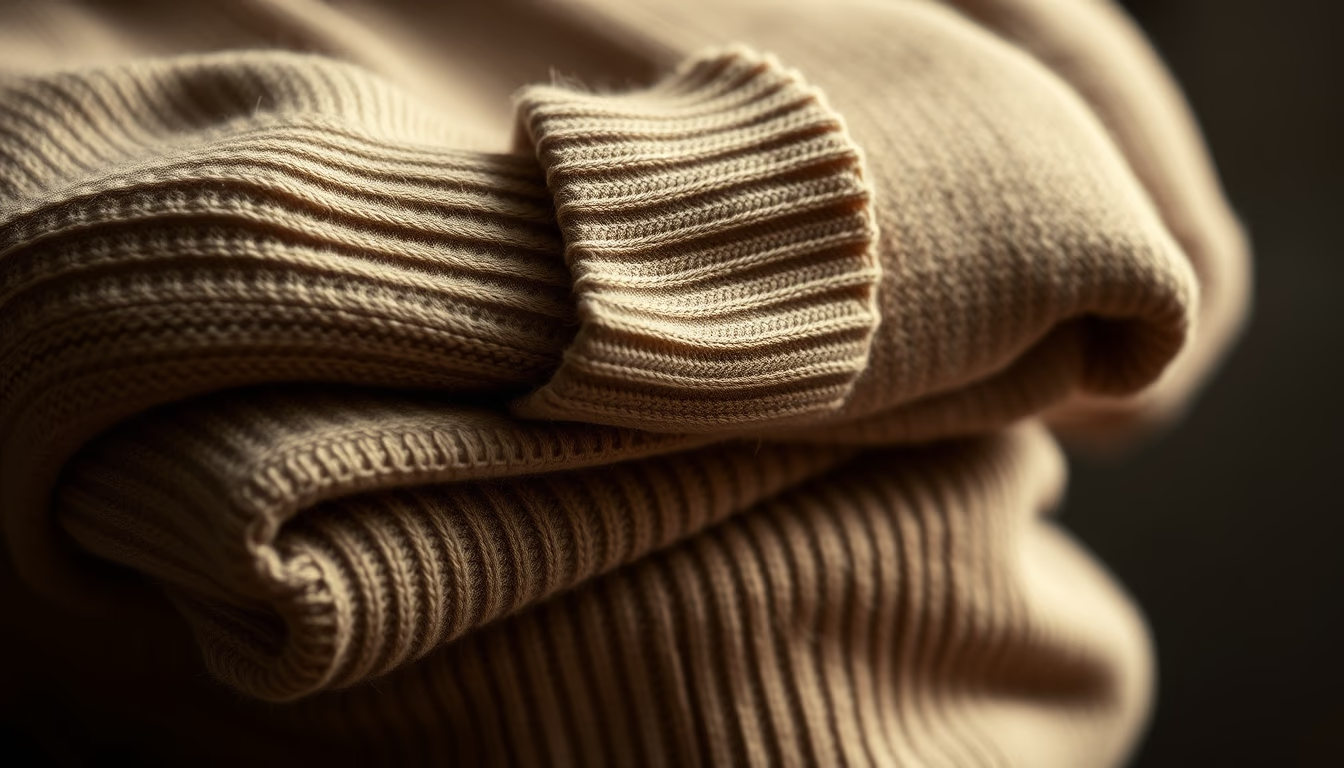
Wool is a natural fiber obtained from shearing sheep (Ovis aries). The production process includes washing, carding, and spinning to turn the raw fibers into continuous yarns. Wool yarn can be natural in color (white, black, brown) or dyed using synthetic or natural dyes (e.g., indigo, cochineal, annatto). Major wool-producing countries include Australia, New Zealand, China, and the United States. In Brazil, the southern state of Rio Grande do Sul is a significant producer, with breeds like Merino and Corriedale yielding high-quality wool. Skeins are the most common retail form for knitters and crocheters, used to make scarves, hats, blankets, and garments.
The rainbow or ombré effect on skeins is achieved through batch dyeing or tie-dye techniques, creating smooth color transitions. This color variety is prized in patchwork, crochet, and knitting projects, enabling creative combinations without changing yarns. Wool's thermal and insulating properties make it ideal for cold climates. The textile industry values wool for its resilience and ability to wick moisture without feeling cold.
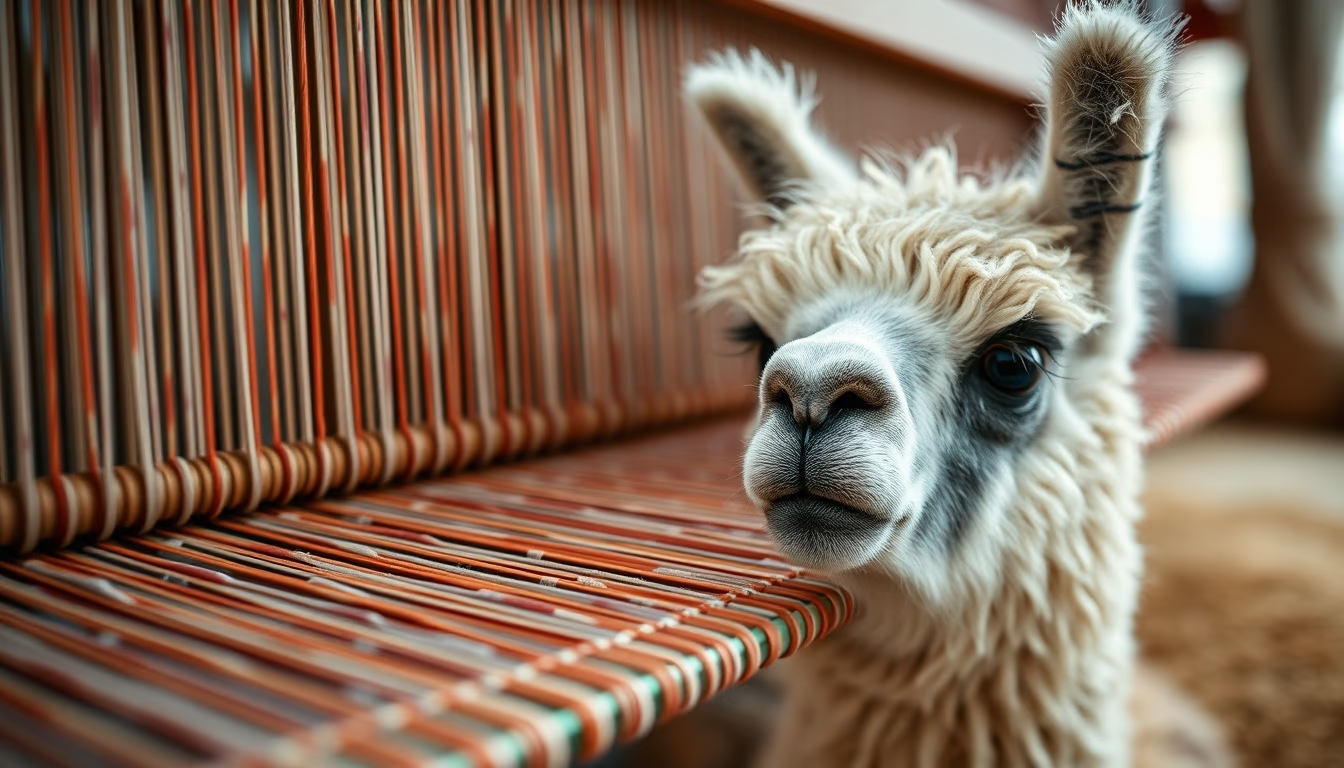
Historically, hand weaving with wool dates back to ancient civilizations, such as the Andean peoples (using vicuña and alpaca wool) and Central Asian nomadic herders. In Brazil, wool crafts are strong in rural communities and regions of European immigration, like the Serra Gaúcha and Santa Catarina. Today, the slow fashion movement and interest in natural fibers have revived wool's popularity, especially among young artisans seeking sustainable alternatives to polyester.
A typical 100-gram skein of wool contains approximately 300 to 400 meters of yarn, depending on thickness. Merino wool, being finer, is used for garments that touch the skin, while lambswool is extra soft.
Frequently Asked Questions
What are the most common types of wool for crafting?
The most common are Merino wool (fine and soft), lambswool (extra soft), Corriedale (versatile), and alpaca wool (hypoallergenic and silky).
How to care for items made with dyed wool yarn?
Hand wash in cold water with mild soap, dry in the shade, and avoid wringing. Hand-dyed colors may fade with harsh washing.
What is the difference between a skein and a hank of wool?
A skein is a rolled ball of yarn ready to use, while a hank is a looped strand that needs to be wound into a skein before use.
Direct URL
https://pub-c7d6a6ea828543ac903a74a341ccb2e1.r2.dev/imagens/wool-yarn-skeins-rainbow-fine-art-photography-fresh1.avifHow to credit
Include a visible link back to UtilizAí. Copy one of the snippets below:
<a href="https://xn--utiliza-eza.com/en/midia/imagens/wool-yarn-skeins-rainbow-fine-art-photography-fresh1">Wool yarn skeins rainbow</a> by <a href="https://xn--utiliza-eza.com">UtilizAí</a>, licensed under <a href="https://creativecommons.org/licenses/by/4.0/">CC BY 4.0</a>.
[Wool yarn skeins rainbow](https://xn--utiliza-eza.com/en/midia/imagens/wool-yarn-skeins-rainbow-fine-art-photography-fresh1) by [UtilizAí](https://xn--utiliza-eza.com), CC BY 4.0
License: CC-BY-4.0