Wine glass cabernet pour
1344×768 · AVIF · CC BY 4.0
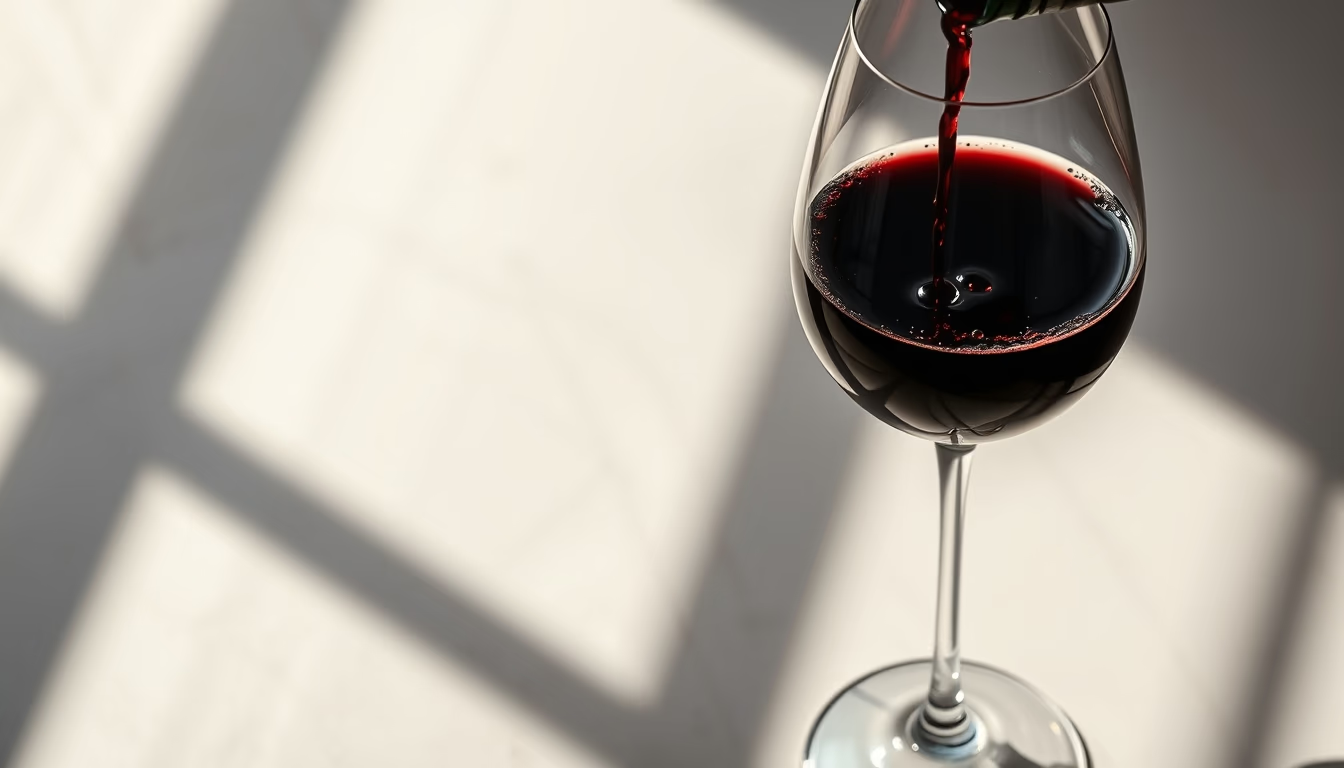
Pouring a Cabernet Sauvignon reveals nuances of color, aroma, and texture, essential for wine appreciation.
About this subject
Cabernet Sauvignon is one of the most widely planted red wine grapes in the world, originating from the Bordeaux region of France. Its adaptability to different terroirs has made it a star in countries like the United States (Napa Valley), Chile, Australia, and South Africa. The resulting wine is full-bodied, with firm tannins and notes of dark fruits such as cassis and blackberry, along with hints of bell pepper, tobacco, and vanilla when aged in oak.
When serving a Cabernet, the ideal temperature is between 16°C and 18°C, as higher temperatures accentuate alcohol and mask aromas. Decanters are often used to aerate young wines (softening them) or to separate sediment from older bottles. Pouring the wine slowly against the side of the glass allows observation of the color, ranging from intense ruby to garnet with age, and the formation of legs or tears, which indicate alcohol content and viscosity.
In an editorial magazine context, the image of Cabernet being poured evokes sophistication and the ritual of tasting. Red wine, especially Cabernet, is often paired with robust meals like red meats, aged cheeses, and hearty pasta dishes. Classic pairings include roast lamb, filet mignon, and gourmet burgers. Studies suggest that resveratrol in the grape has antioxidant properties, although health benefits are moderate and depend on responsible consumption.
Interestingly, Cabernet Sauvignon is a natural cross between Cabernet Franc and Sauvignon Blanc, occurring in France in the 17th century. Its global fame solidified after the 1970s, when Californian wines outperformed French ones in a blind tasting known as the Judgment of Paris, an event that revolutionized the world wine market.
Frequently Asked Questions
What is the ideal serving temperature for Cabernet Sauvignon?
The ideal temperature is between 16°C and 18°C. Too high temperatures accentuate alcohol and mask aromas, while too low temperatures mute the flavors.
Why should I decant Cabernet Sauvignon?
Decanting helps aerate young wines, softening tannins and releasing aromas. For older wines, it separates natural sediment that forms over time.
What dishes pair best with Cabernet Sauvignon?
It pairs well with grilled or roasted red meats like filet mignon, lamb, and burgers, as well as aged cheeses such as parmesan and gouda.
Direct URL
https://pub-c7d6a6ea828543ac903a74a341ccb2e1.r2.dev/imagens/wine-glass-cabernet-pour-magazine-editorial-p0.avifHow to credit
Include a visible link back to UtilizAí. Copy one of the snippets below:
<a href="https://xn--utiliza-eza.com/en/midia/imagens/wine-glass-cabernet-pour-magazine-editorial-p0">Wine glass cabernet pour</a> by <a href="https://xn--utiliza-eza.com">UtilizAí</a>, licensed under <a href="https://creativecommons.org/licenses/by/4.0/">CC BY 4.0</a>.
[Wine glass cabernet pour](https://xn--utiliza-eza.com/en/midia/imagens/wine-glass-cabernet-pour-magazine-editorial-p0) by [UtilizAí](https://xn--utiliza-eza.com), CC BY 4.0
License: CC-BY-4.0