Wine glass cabernet pour
1344×768 · AVIF · CC BY 4.0
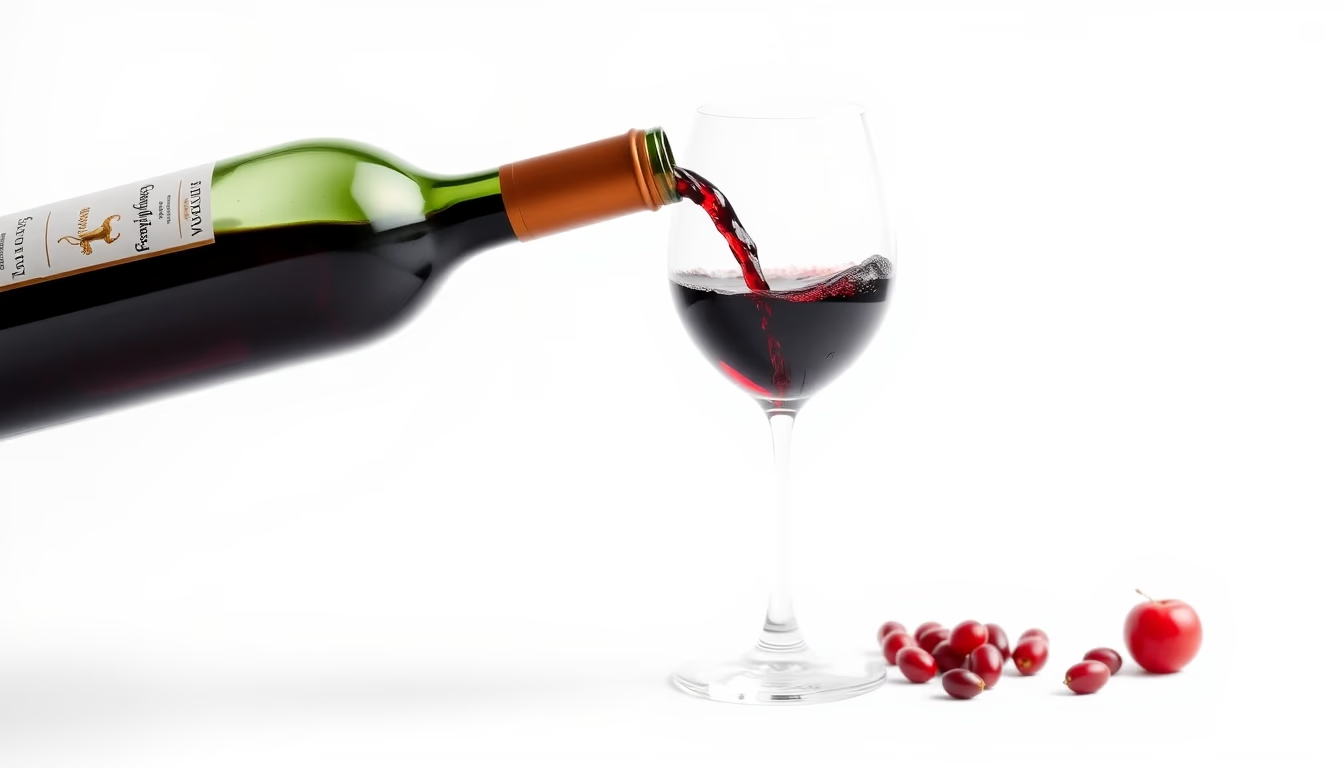
Pouring a Cabernet Sauvignon requires attention to temperature, vessel, and decanting to unlock the full aromatic and flavor potential of the grape.
About this subject
Cabernet Sauvignon is one of the most widely cultivated red grape varieties in the world, originating from the Bordeaux region of France. When serving, the wine should be at 16°C to 18°C (60-64°F) so that tannins do not become overly astringent. Decanting is recommended for young, full-bodied wines as it aerates and softens the tannic structure. A crystal glass decanter or a clean pitcher can be used, allowing the wine to rest for 30 to 60 minutes before consumption.
The type of glass directly influences the sensory experience. Wide-bowled glasses, such as the Bordeaux style, allow the wine to contact air, releasing the fruity and herbaceous aromas typical of Cabernet. The long stem prevents hand heat from warming the beverage. When pouring, fill only about one third of the glass to allow aeration and facilitate swirling that releases the aromas.
Interestingly, Cabernet Sauvignon is a natural cross between Cabernet Franc and Sauvignon Blanc, occurring in France in the 17th century. The grape has adapted to diverse terroirs, from Napa Valley in California to the São Francisco Valley in Brazil, where it produces wines with a fruity profile and soft tannins. In Brazil, Cabernet production is concentrated in the Serra Gaúcha and São Francisco Valley regions, with vintages reflecting tropical climate and altitude.
Red wine consumption is associated with cardiovascular benefits due to resveratrol, an antioxidant found in grape skins. However, moderate intake is essential. The act of serving and enjoying a Cabernet involves rituals ranging from bottle selection to pairing with red meats, aged cheeses, and hearty pasta sauces.
Frequently Asked Questions
What is the ideal serving temperature for Cabernet Sauvignon?
Cabernet Sauvignon should be served between 16°C and 18°C (60-64°F). Higher temperatures emphasize alcohol and tannins, while lower temperatures inhibit aromas.
Do I need to decant Cabernet Sauvignon?
Decanting is recommended for young, full-bodied wines for 30 to 60 minutes to aerate and soften tannins. Older wines may need less time to avoid aroma loss.
What food pairs well with Cabernet Sauvignon?
It pairs well with grilled red meats, lamb, aged cheeses (such as Parmesan and Gouda), and hearty pasta dishes like ragù or Bolognese.
Direct URL
https://pub-c7d6a6ea828543ac903a74a341ccb2e1.r2.dev/imagens/wine-glass-cabernet-pour-commercial-product-photography-p1.avifHow to credit
Include a visible link back to UtilizAí. Copy one of the snippets below:
<a href="https://xn--utiliza-eza.com/en/midia/imagens/wine-glass-cabernet-pour-commercial-product-photography-p1">Wine glass cabernet pour</a> by <a href="https://xn--utiliza-eza.com">UtilizAí</a>, licensed under <a href="https://creativecommons.org/licenses/by/4.0/">CC BY 4.0</a>.
[Wine glass cabernet pour](https://xn--utiliza-eza.com/en/midia/imagens/wine-glass-cabernet-pour-commercial-product-photography-p1) by [UtilizAí](https://xn--utiliza-eza.com), CC BY 4.0
License: CC-BY-4.0