Wine cellar barrel oak
1344×768 · AVIF · CC BY 4.0
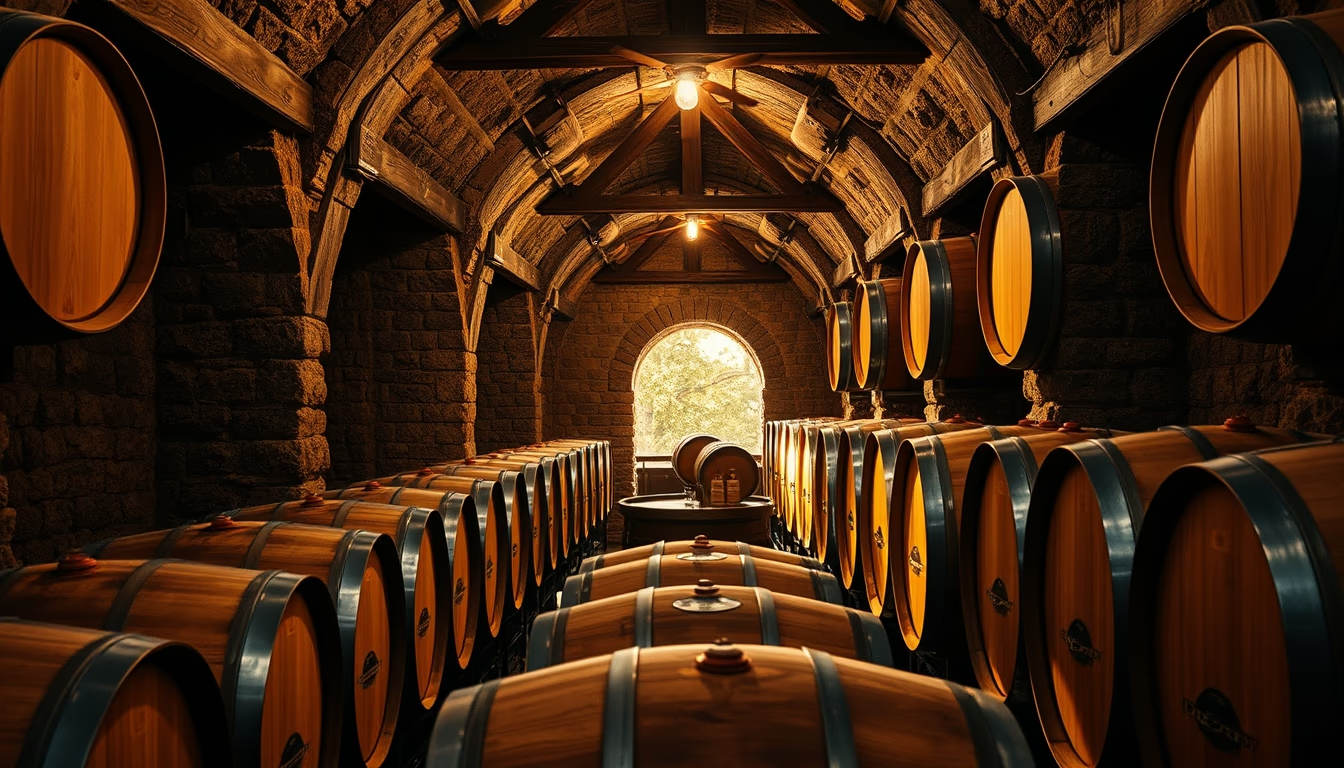
Wine cellar with oak barrels: a centuries-old tradition for aging red and white wines.
About this subject
A wine cellar filled with oak barrels is the heart of fine wine production. Oak, especially Quercus robur and Quercus sessiliflora, is prized for its micro-oxygenation properties and contribution of aromatic compounds like vanillin, lactones, and soft tannins. Barrels typically hold 225 liters (Bordeaux barrique) or 228 liters (Burgundy barrique), allowing wine to evolve slowly, gaining complexity and structure.
The toasting process is critical: light toast gives vanilla and coconut; medium toast adds spice and caramel; heavy toast brings coffee and chocolate. New vs. used barrels also affect the final profile, new wood extracts more tannins and aromas, while used barrels are more neutral. Many wineries combine different oak origins (French, American, Hungarian) for unique styles.
Controlled temperature and humidity in the cellar prevent premature oxidation and mold. Traditional underground cellars or caves provide stable conditions. Famous wine regions like Bordeaux, Burgundy, Porto, and Rioja boast historic cellars with rows of barrels, where wines mature for 12, 24 months before bottling. Long-aging wines such as Barolo and Brunello can spend up to five years in oak.
Oak choice impacts not only flavor but also color and texture. White wines like Chardonnay also benefit from barrel aging, gaining creaminess and buttery notes. Barrel-making is a craft: staves are assembled without glue, held by tension, and toasted over open fire. This millennia-old tradition remains essential for premium wines worldwide.
Frequently Asked Questions
Why is oak used for wine barrels?
Oak is chosen for its combination of strength, controlled porosity, and ability to impart aromas and tannins to wine. Micro-oxygenation through the wood pores helps soften tannins and integrate flavors, while toasting adds notes of vanilla, spice, and toffee.
What is the difference between French and American oak?
French oak (Quercus robur/petraea) has a finer grain and imparts more subtle tannins, with aromas of vanilla, coconut, and spice. American oak (Quercus alba) has a wider grain and delivers more intense vanilla, coconut, and sweet notes, often used for full-bodied wines.
How long can wine stay in an oak barrel?
It depends on the wine style. Young reds may stay 6, 12 months; aged wines like Bordeaux and Rioja reserva, 12, 24 months; long-aging wines like Barolo and Brunello up to 5 years. White wines generally spend less time, from 4 to 12 months.
Direct URL
https://pub-c7d6a6ea828543ac903a74a341ccb2e1.r2.dev/imagens/wine-cellar-barrel-oak-travel-photography-p3.avifHow to credit
Include a visible link back to UtilizAí. Copy one of the snippets below:
<a href="https://xn--utiliza-eza.com/en/midia/imagens/wine-cellar-barrel-oak-travel-photography-p3">Wine cellar barrel oak</a> by <a href="https://xn--utiliza-eza.com">UtilizAí</a>, licensed under <a href="https://creativecommons.org/licenses/by/4.0/">CC BY 4.0</a>.
[Wine cellar barrel oak](https://xn--utiliza-eza.com/en/midia/imagens/wine-cellar-barrel-oak-travel-photography-p3) by [UtilizAí](https://xn--utiliza-eza.com), CC BY 4.0
License: CC-BY-4.0