White blood cells macro
1344×768 · AVIF · CC BY 4.0
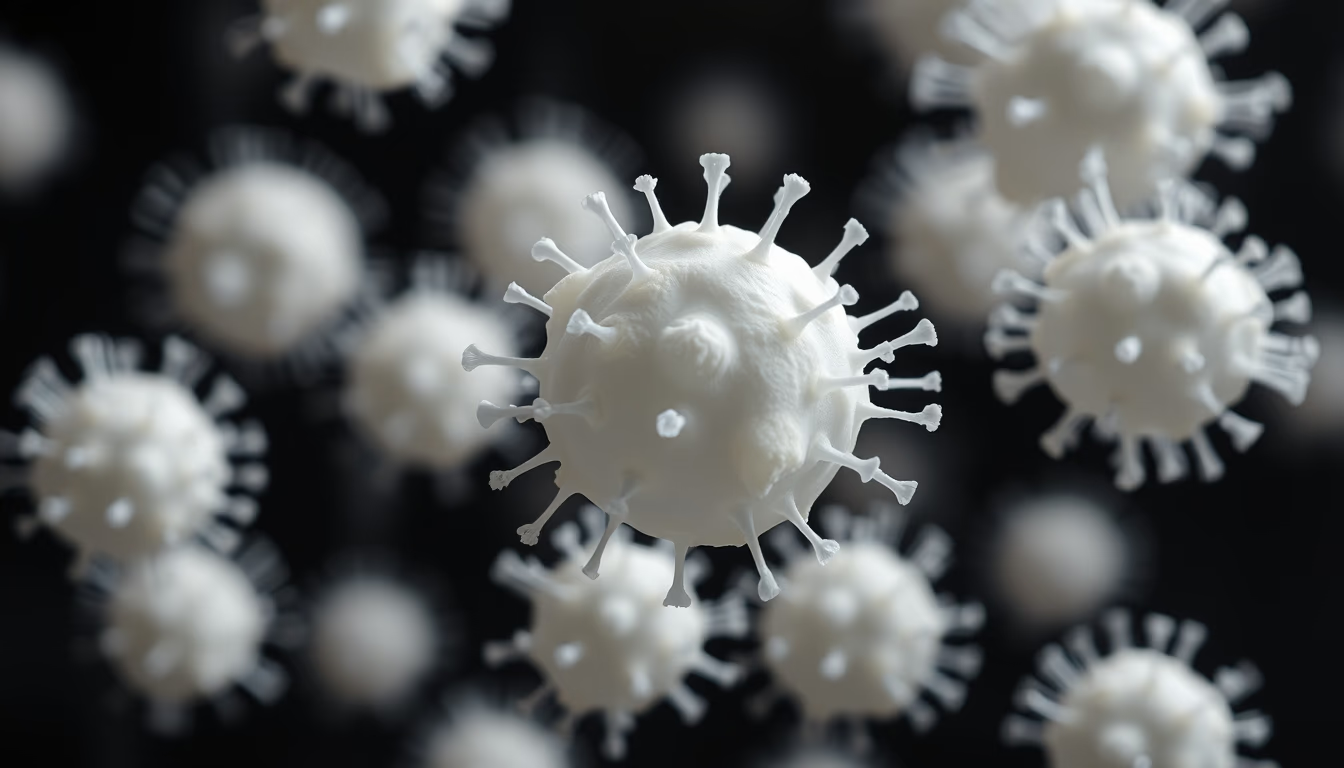
White blood cells, or leukocytes, are essential immune system cells that protect the body against infections and diseases.
About this subject
White blood cells, or leukocytes, are immune system cells that defend the body against pathogens such as bacteria, viruses, fungi, and parasites. Discovered in the 19th century, they are produced in the bone marrow and circulate in blood and lymphatic system. A healthy adult has between 4,000 and 11,000 leukocytes per microliter of blood, a number that can vary with infection or disease.
There are five main types of leukocytes, each with specialized functions. Neutrophils, the most abundant (40% to 60%), perform phagocytosis of bacteria. Lymphocytes (20% to 40%) include T, B, and NK cells, crucial for adaptive immunity. Monocytes (2% to 8%) become macrophages in tissues. Eosinophils (1% to 4%) fight parasites and are involved in allergies. Basophils (less than 1%) release histamine in inflammatory reactions.
Differential leukocyte count is a common test to diagnose infections, inflammations, and hematological diseases like leukemia. Abnormal values can indicate anything from a common cold to severe conditions. Scientifically, leukocyte morphology is studied via microscopy using Romanowsky stains, which highlight segmented nuclei and cytoplasmic granules. Their ability to migrate to infected tissues (chemotaxis) and recognize antigens makes them the body's first line of defense.
Frequently Asked Questions
What are white blood cells?
White blood cells, or leukocytes, are immune system cells that protect the body against infections and diseases. They are produced in the bone marrow and circulate in blood and lymphatic system.
How many types of leukocytes are there?
There are five main types: neutrophils, lymphocytes, monocytes, eosinophils, and basophils. Each has specific functions in the body's defense.
What does a high white blood cell count mean?
A high count (leukocytosis) can indicate infection, inflammation, stress, or diseases like leukemia. A low count (leukopenia) may be caused by viral infections, medications, or bone marrow problems.
Direct URL
https://pub-c7d6a6ea828543ac903a74a341ccb2e1.r2.dev/imagens/white-blood-cells-macro-studio-still-life-p10.avifHow to credit
Include a visible link back to UtilizAí. Copy one of the snippets below:
<a href="https://xn--utiliza-eza.com/en/midia/imagens/white-blood-cells-macro-studio-still-life-p10">White blood cells macro</a> by <a href="https://xn--utiliza-eza.com">UtilizAí</a>, licensed under <a href="https://creativecommons.org/licenses/by/4.0/">CC BY 4.0</a>.
[White blood cells macro](https://xn--utiliza-eza.com/en/midia/imagens/white-blood-cells-macro-studio-still-life-p10) by [UtilizAí](https://xn--utiliza-eza.com), CC BY 4.0
License: CC-BY-4.0