White blood cells macro
1344×768 · AVIF · CC BY 4.0
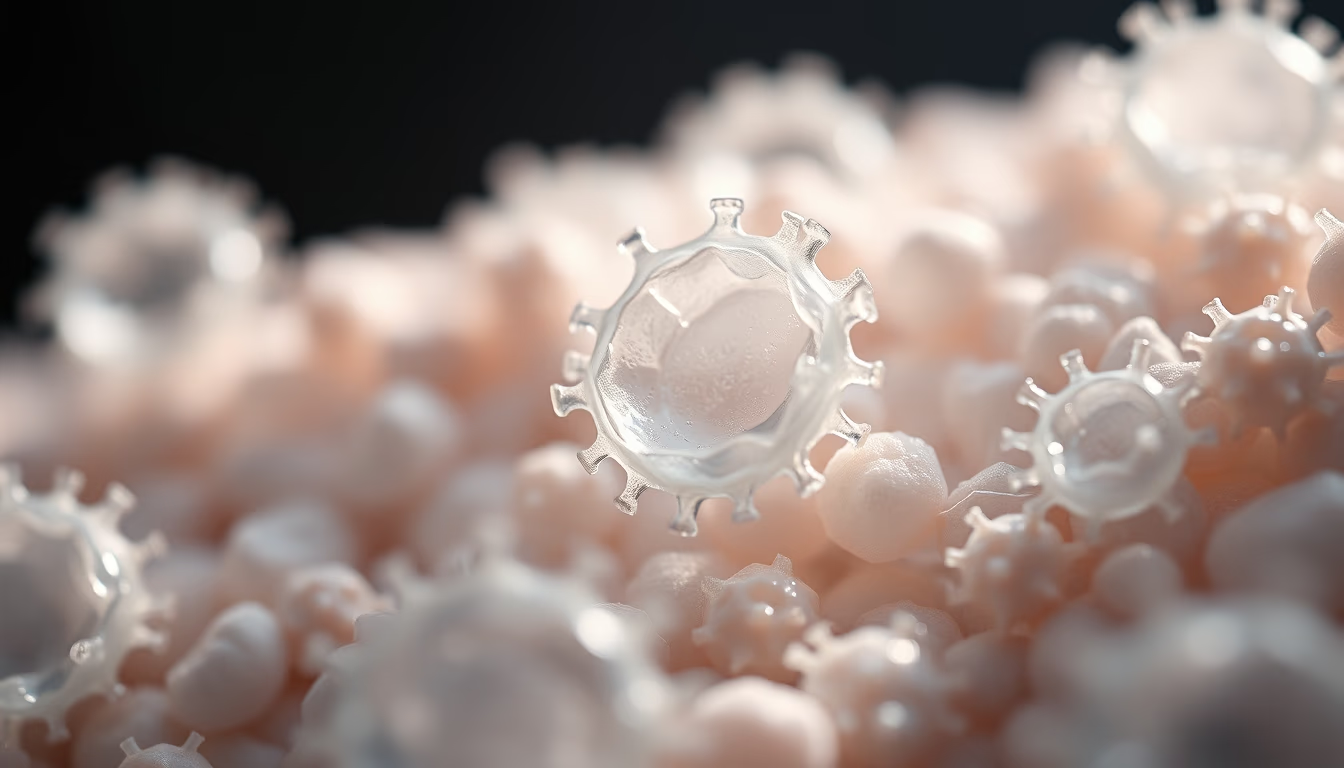
White blood cells, or leukocytes, are immune system cells that defend the body against infections and foreign invaders.
About this subject
White blood cells, scientifically known as leukocytes, are essential blood components produced in the bone marrow. They circulate through the bloodstream and lymphatic system, acting as the body's first line of defense against pathogens such as bacteria, viruses, fungi, and parasites. There are five main types of leukocytes: neutrophils, lymphocytes, monocytes, eosinophils, and basophils, each with specialized functions. Neutrophils are the most abundant and respond quickly to bacterial infections, while lymphocytes (B and T cells) are crucial for adaptive immunity, generating immunological memory. Monocytes transform into macrophages in tissues, engulfing debris and pathogens. Eosinophils combat parasites and are involved in allergic reactions, and basophils release histamine during inflammatory responses.
The normal white blood cell count ranges from 4,000 to 11,000 per microliter of blood, and it can rise significantly during infections, inflammation, or stress. A low count (leukopenia) may indicate bone marrow problems or certain medications. The relative proportion of each type, called the leukocyte differential, is analyzed in blood tests to diagnose specific conditions. For example, an increase in neutrophils suggests bacterial infection, while elevated lymphocytes are common in viral infections.
Diseases such as leukemia involve uncontrolled production of abnormal leukocytes, compromising immune function. Additionally, white blood cells play roles in chronic inflammatory processes, like rheumatoid arthritis and asthma. The discovery of leukocytes dates back to the 17th century when Antonie van Leeuwenhoek observed them under a microscope, but their functions were only understood in the 19th century by physiologists like Elie Metchnikoff, who described phagocytosis. Today, advances in immunotherapy leverage leukocyte properties to treat cancer, such as checkpoint inhibitors and CAR-T cell therapies.
Frequently Asked Questions
How many types of white blood cells are there and what are their functions?
There are five main types: neutrophils (fight bacteria), lymphocytes (adaptive immunity), monocytes (become macrophages), eosinophils (combat parasites), and basophils (release histamine in allergies).
What does a high white blood cell count mean?
A high count (leukocytosis) usually indicates infection, inflammation, stress, or, in severe cases, leukemia. The specific type of elevated leukocyte helps identify the cause.
How are white blood cells used in modern treatments?
In immunotherapy, modified T cells (CAR-T) are used to attack cancers. Checkpoint inhibitors also stimulate lymphocytes to fight tumors.
Direct URL
https://pub-c7d6a6ea828543ac903a74a341ccb2e1.r2.dev/imagens/white-blood-cells-macro-fine-art-photography-p1.avifHow to credit
Include a visible link back to UtilizAí. Copy one of the snippets below:
<a href="https://xn--utiliza-eza.com/en/midia/imagens/white-blood-cells-macro-fine-art-photography-p1">White blood cells macro</a> by <a href="https://xn--utiliza-eza.com">UtilizAí</a>, licensed under <a href="https://creativecommons.org/licenses/by/4.0/">CC BY 4.0</a>.
[White blood cells macro](https://xn--utiliza-eza.com/en/midia/imagens/white-blood-cells-macro-fine-art-photography-p1) by [UtilizAí](https://xn--utiliza-eza.com), CC BY 4.0
License: CC-BY-4.0