Whiskey on rocks amber
1344×768 · AVIF · CC BY 4.0
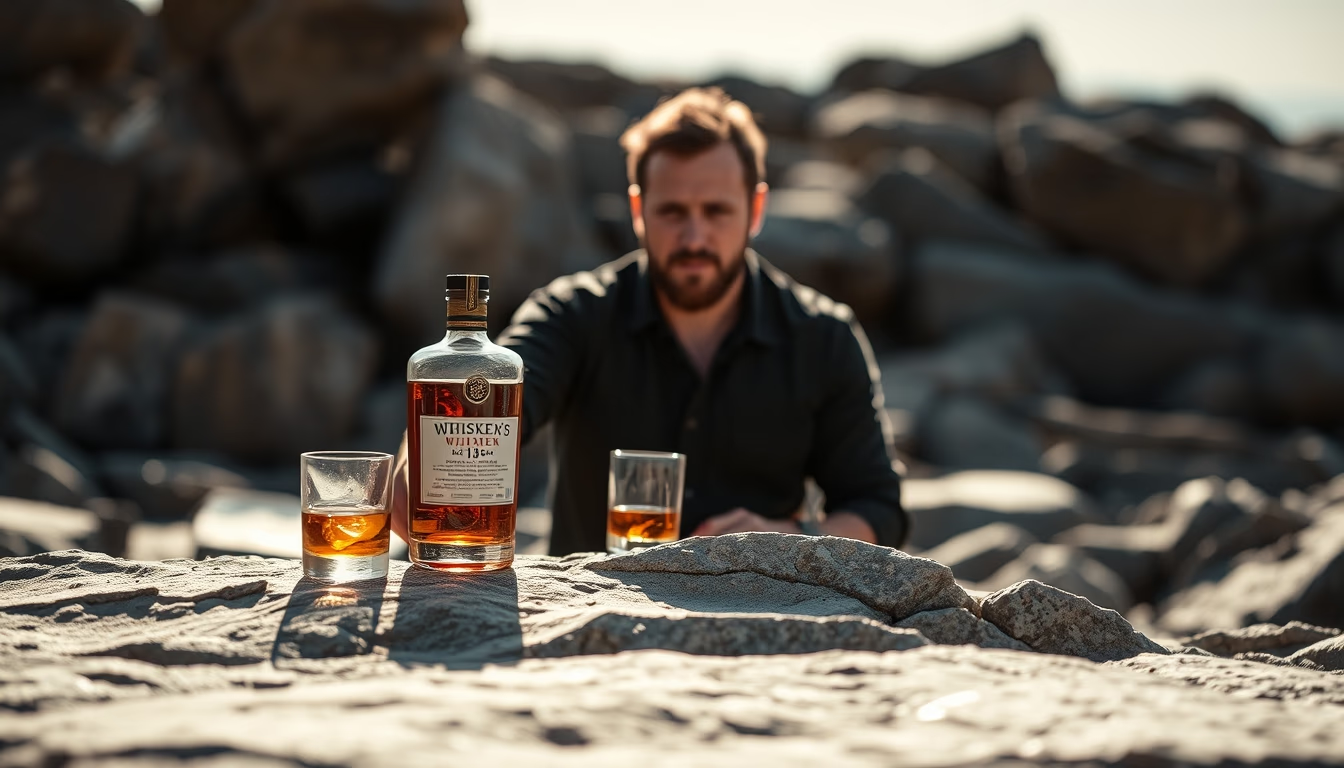
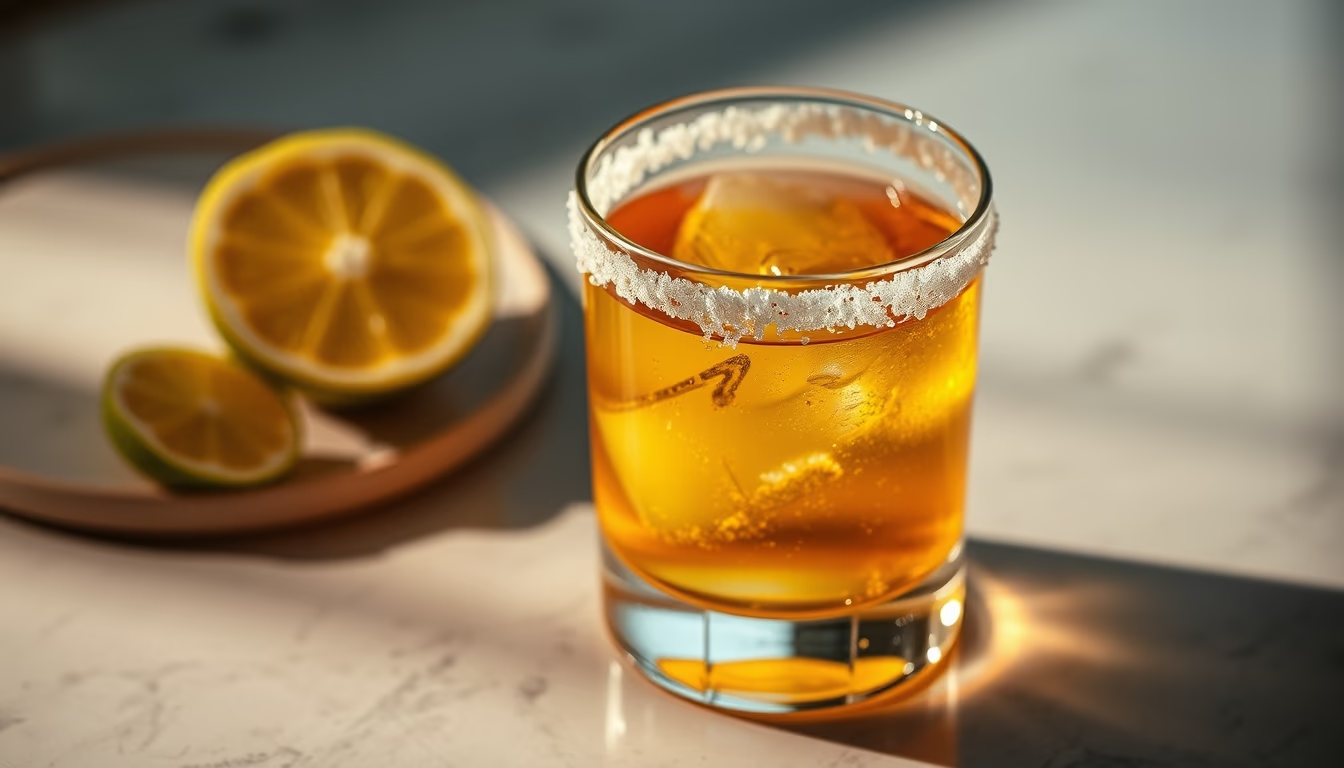
Whiskey on rocks is a classic way to enjoy whisky, with ice enhancing the woody and caramel notes of the aged spirit.
About this subject
Whiskey served 'on the rocks', or with ice cubes, is a tradition dating back to 19th century America. Adding ice not only chills the drink but also slightly dilutes the alcohol content, opening up aromas and smoothing the harshness of fuller-bodied whiskies. The characteristic amber hue comes from aging in oak barrels, where the liquid extracts compounds like tannins and vanillin, gaining color and flavor. The longer the whiskey ages, the darker and more complex its coloration becomes.
Choice of whiskey type influences the experience: American bourbons, with high corn content, tend to be sweeter and pair well with ice; while smoky single malts from Scotland may be enjoyed with just one or two cubes. The ideal temperature for whiskey on the rocks is around 5°C to 10°C, as ice melts slowly, altering the flavor profile over consumption. Glasses like the old fashioned or tumbler are most used, with a wide base allowing ice addition without spilling.
Culturally, whiskey on the rocks is associated with relaxation and sophistication, often portrayed in cinema as a drink of elegant characters. In Brazil, this serving method gained momentum in the 1990s, led by brands like Johnnie Walker and Chivas Regal. The trend for 2026 points to growth in craft whiskies aged in exotic barrels, such as port wine or Brazilian oak, producing even more intense amber tones.
A technical curiosity: the amber color of whiskey can also be influenced by barrel charring. New toasted American oak barrels provide darker color and vanilla notes, while reused sherry or bourbon casks impart nuances of dried fruit and spice. Large cube or sphere ice melts slower, preserving the drink's integrity longer - a detail valued by connoisseurs.
Frequently Asked Questions
Why is whiskey amber?
The amber color comes from aging in oak barrels. Over years, the liquid extracts tannins, vanillin, and other compounds from the wood, which react with alcohol to create golden and orange pigments. The longer and warmer the aging climate, the darker the color.
What is the difference between whiskey and whisky?
Whisky (without 'e') traditionally refers to Scottish and Canadian spirits; whiskey (with 'e') is the Irish and American spelling. Both are made from fermented grains and aged in barrels, but they differ in ingredients and distillation processes.
Does ice change the flavor of whiskey?
Yes. Ice lowers the temperature, reducing alcohol perception and enhancing sweet and woody notes. As it melts, gradual dilution opens new aromas, but excessive dilution can make the drink watery. Large cubes or spheres melt slower, giving more control over dilution.
Direct URL
https://pub-c7d6a6ea828543ac903a74a341ccb2e1.r2.dev/imagens/whiskey-on-rocks-amber-documentary-photography-p6.avifHow to credit
Include a visible link back to UtilizAí. Copy one of the snippets below:
<a href="https://xn--utiliza-eza.com/en/midia/imagens/whiskey-on-rocks-amber-documentary-photography-p6">Whiskey on rocks amber</a> by <a href="https://xn--utiliza-eza.com">UtilizAí</a>, licensed under <a href="https://creativecommons.org/licenses/by/4.0/">CC BY 4.0</a>.
[Whiskey on rocks amber](https://xn--utiliza-eza.com/en/midia/imagens/whiskey-on-rocks-amber-documentary-photography-p6) by [UtilizAí](https://xn--utiliza-eza.com), CC BY 4.0
License: CC-BY-4.0