Wailing wall jerusalem
1344×768 · AVIF · CC BY 4.0
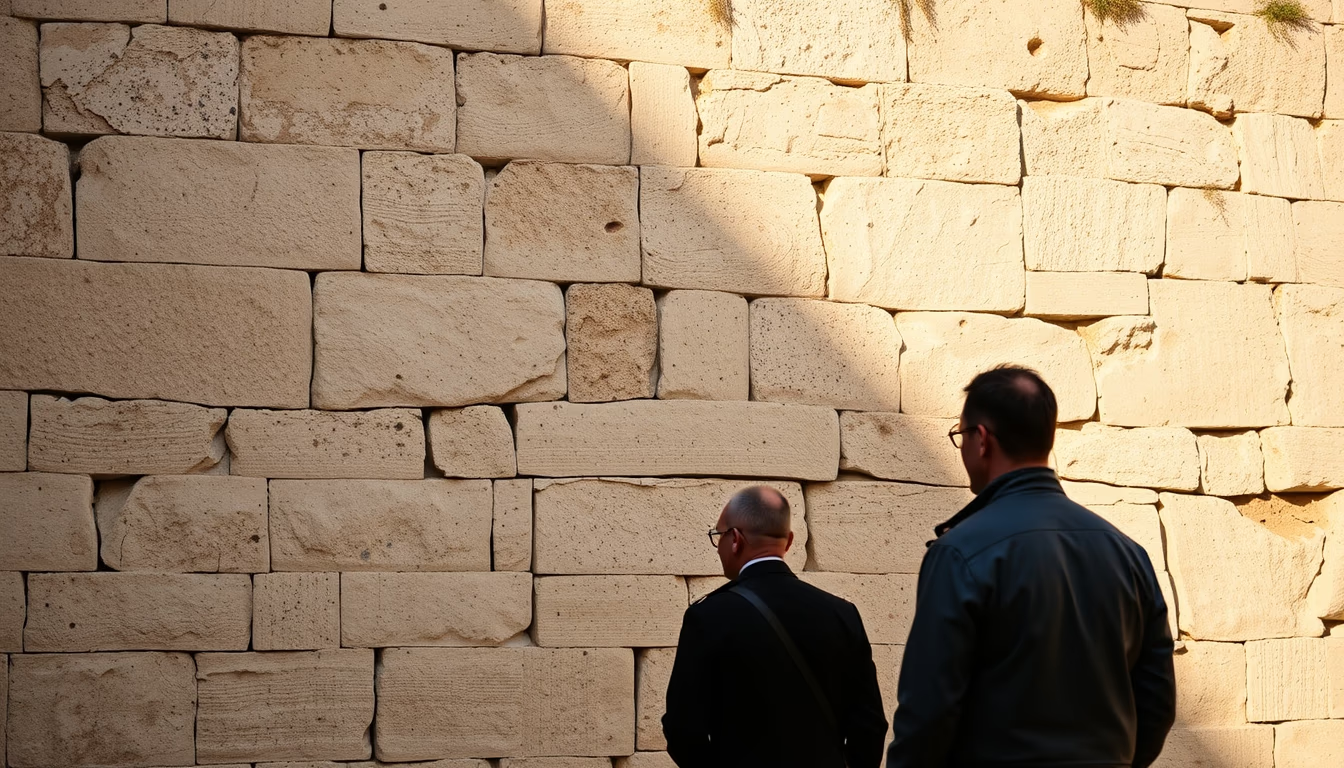
The Wailing Wall, also known as the Kotel or Western Wall, is the holiest site in Judaism, a remnant of the Second Temple in Jerusalem.
About this subject
The Wailing Wall, known as the Kotel or Western Wall, is one of the most iconic and sacred sites in the world. Located in the Old City of Jerusalem, it is the last visible remnant of the Second Temple, destroyed by the Romans in 70 CE. Since then, Jews from all over the globe have come to the wall to pray and place written petitions in the crevices between the stones. The plaza in front of the wall functions as an open-air synagogue, open 24 hours a day.
The wall is approximately 488 meters long, but the visible section used for prayers is about 60 meters. The original stones, some weighing several tons, were laid without mortar and have remained intact for millennia. The lower courses are Herodian, with massive, precisely cut stones; the upper layers were added later, during the Ottoman and British periods.
Culturally and religiously, the Kotel is the closest accessible point to the Holy of Holies, the most sacred part of the ancient Temple. Many Jews believe that the divine presence is more intense there. Besides being a pilgrimage site, the wall witnessed historic events like the Six-Day War in 1967, when Israel captured the Old City and restored access to the wall. Since then, it has become a symbol of national unity and unwavering faith.
Interestingly, the wall is not only a place of mourning; it is also a venue for celebrations such as bar mitzvahs and religious festivals. Thousands of daily visitors, including tourists of all faiths, are drawn by the spiritual atmosphere and the history emanating from the ancient stones. The Western Wall Tunnel, excavated along its base, reveals further archaeological layers and offers a fascinating glimpse into Herodian engineering.
Frequently Asked Questions
Why is it called the Wailing Wall?
The name Wailing Wall derives from the tradition of Jews coming to mourn the destruction of the Temple and pray for its restoration. In Hebrew, it is called the Kotel or Kotel HaMaaravi.
What do the notes placed in the wall mean?
The notes contain prayers and personal requests. Because the site is considered sacred, it is believed that prayers offered there are more likely to be heard. The notes are periodically collected and buried on the Mount of Olives.
What is the difference between the Wailing Wall and the Western Wall?
They are the same location. Wailing Wall is the common name in many languages, while Western Wall is the literal translation of the Hebrew Kotel HaMaaravi. Both refer to the same remnant of the Second Temple.
Direct URL
https://pub-c7d6a6ea828543ac903a74a341ccb2e1.r2.dev/imagens/wailing-wall-jerusalem-documentary-photography-p1.avifHow to credit
Include a visible link back to UtilizAí. Copy one of the snippets below:
<a href="https://xn--utiliza-eza.com/en/midia/imagens/wailing-wall-jerusalem-documentary-photography-p1">Wailing wall jerusalem</a> by <a href="https://xn--utiliza-eza.com">UtilizAí</a>, licensed under <a href="https://creativecommons.org/licenses/by/4.0/">CC BY 4.0</a>.
[Wailing wall jerusalem](https://xn--utiliza-eza.com/en/midia/imagens/wailing-wall-jerusalem-documentary-photography-p1) by [UtilizAí](https://xn--utiliza-eza.com), CC BY 4.0
License: CC-BY-4.0