Wagashi sweets seasonal
1344×768 · AVIF · CC BY 4.0
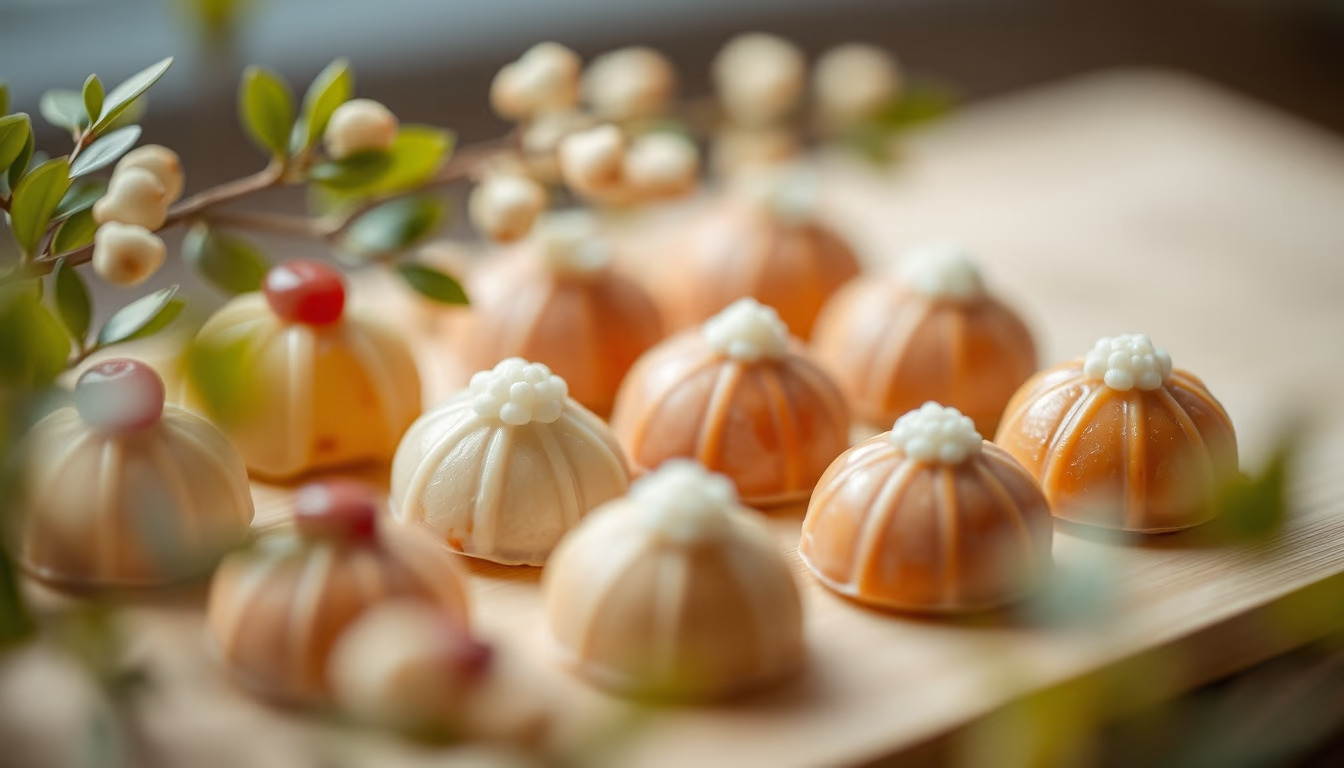
Wagashi are traditional Japanese confections that celebrate the seasons through ingredients and shapes inspired by nature.
About this subject
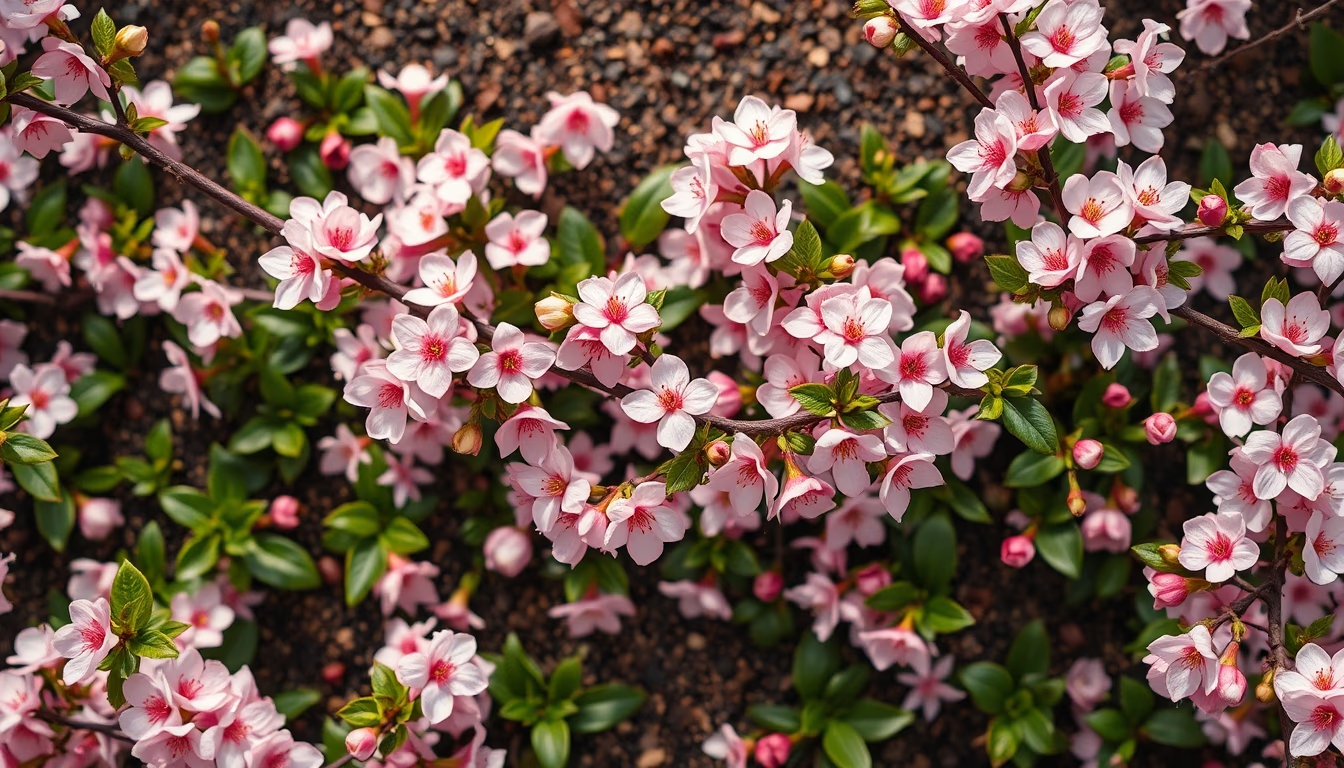
Wagashi are traditional Japanese confections that have accompanied the tea ceremony (chanoyu) since the Edo period (1603-1868). Unlike Western desserts, they rely on ingredients such as azuki bean paste (anko), mochi (glutinous rice), agar-agar (kanten), and wasanbon sugar, a hand-refined sugar from Japanese sugarcane. Each season inspires new flavors and shapes: spring brings cherry blossom (sakura) shaped wagashi with white bean filling; summer features translucent kanten sweets with fresh fruits evoking coolness; autumn showcases maple leaf (momiji) and chestnut representations; winter depicts snow or pine motifs using white bean paste to imitate snow.
Seasonality (kisetsu) is central to Japanese culture, and wagashi are crafted to be visually appreciated before consumption. Skilled artisans (wagashishi) master techniques that can take decades, such as nerikiri (hand-molding of bean paste) and shaping seasonal flowers with wooden tools. Each piece is unique and embodies the philosophy of 'ichi-go ichi-e' (one moment, one encounter), valuing the fleeting nature of the instant.
Seasonal wagashi also feature in festivals and family celebrations. For example, during Hinamatsuri (Doll Festival) in March, people enjoy hina-arare (colorful rice crackers) and sakura mochi. During Tsukimi (moon viewing) in September, round dango dumplings resembling the full moon are consumed. Regional variation is vast: western Japan is known for yokan (jellied bean paste), while eastern Japan specializes in ohagi (rice balls coated with bean paste).
Wagashi production faces contemporary challenges: pasteurization and preservatives reduce shelf life, but many artisans preserve traditional methods without additives. In 2013, UNESCO recognized 'traditional Japanese cuisine' (washoku) as Intangible Cultural Heritage, though wagashi were not individually included, despite being an essential part of washoku. Historic shops like Toraya (founded in 1615) continue to produce seasonal wagashi for the imperial family and the public.
Frequently Asked Questions
What is the difference between wagashi and Western sweets?
Wagashi use ingredients like azuki bean paste, glutinous rice, and agar-agar, with low fat and dairy content. They are less sweet and more delicate, and seasonal appearance is as important as taste.
Are wagashi always served with green tea?
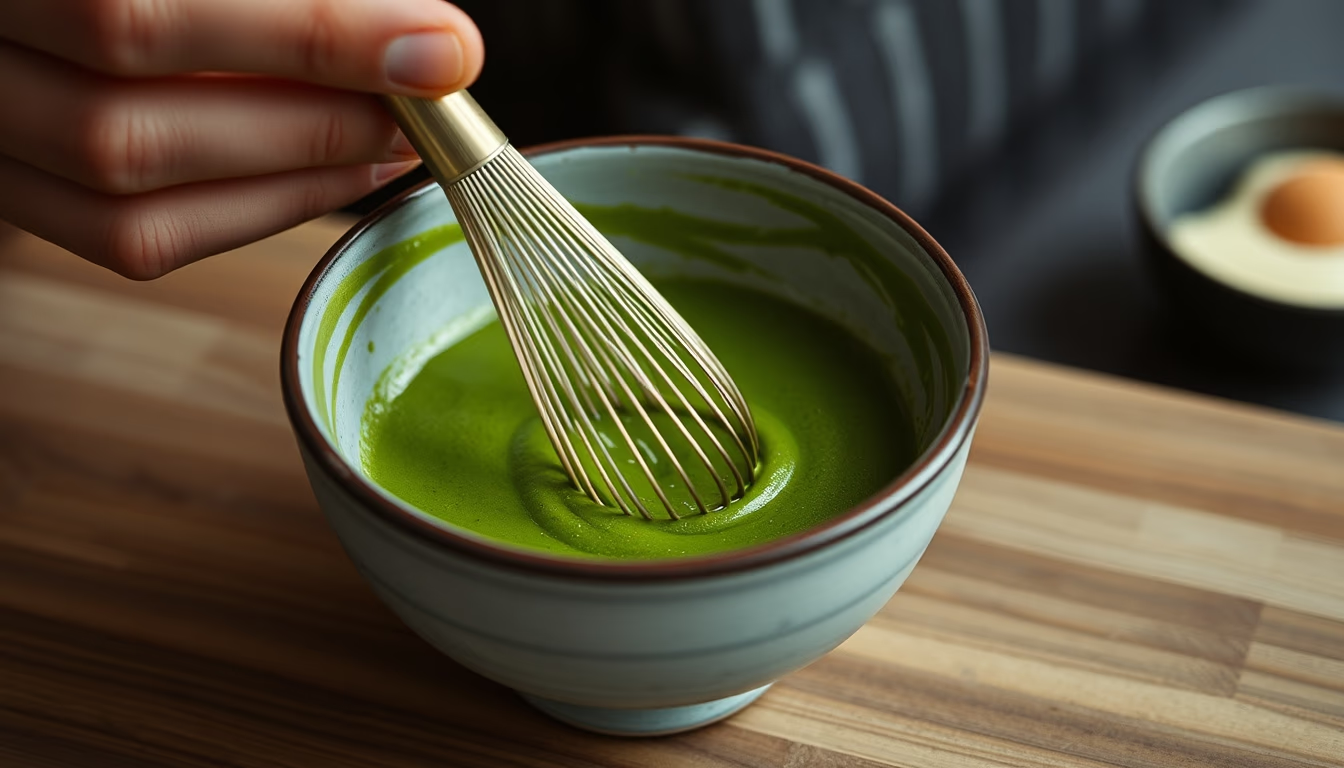
Traditionally, wagashi are served before matcha (powdered green tea) in the tea ceremony. Nowadays, they can accompany other Japanese teas like sencha or hojicha, or even coffee.
Why do wagashi change with the seasons?
Seasonality is a Japanese aesthetic principle. Wagashi reflect the ephemeral nature of the seasons, using fresh ingredients and shapes that evoke flowers, leaves, or typical phenomena of each period.
Direct URL
https://pub-c7d6a6ea828543ac903a74a341ccb2e1.r2.dev/imagens/wagashi-sweets-seasonal-tilt-shift-miniature-fresh1.avifHow to credit
Include a visible link back to UtilizAí. Copy one of the snippets below:
<a href="https://xn--utiliza-eza.com/en/midia/imagens/wagashi-sweets-seasonal-tilt-shift-miniature-fresh1">Wagashi sweets seasonal</a> by <a href="https://xn--utiliza-eza.com">UtilizAí</a>, licensed under <a href="https://creativecommons.org/licenses/by/4.0/">CC BY 4.0</a>.
[Wagashi sweets seasonal](https://xn--utiliza-eza.com/en/midia/imagens/wagashi-sweets-seasonal-tilt-shift-miniature-fresh1) by [UtilizAí](https://xn--utiliza-eza.com), CC BY 4.0
License: CC-BY-4.0