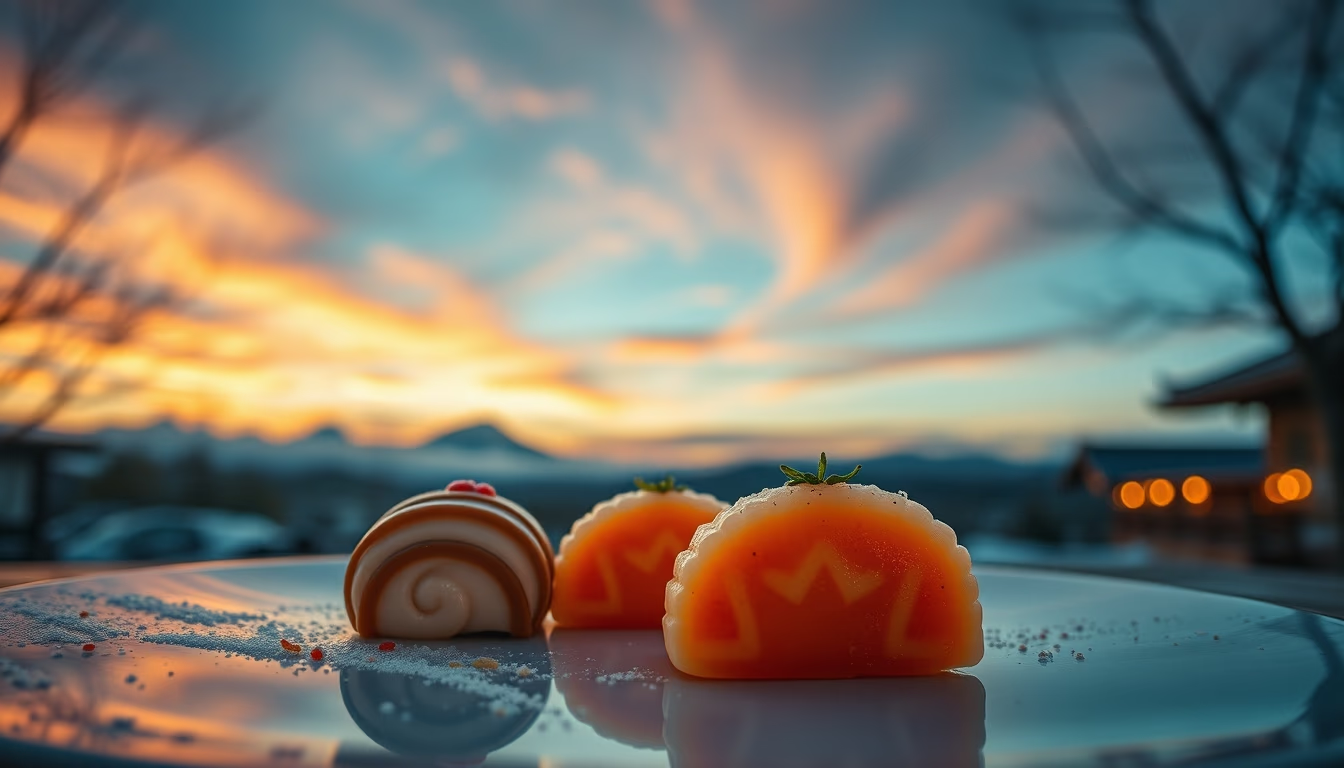
Wagashi sweets seasonal
1344×768 · AVIF · CC BY 4.0
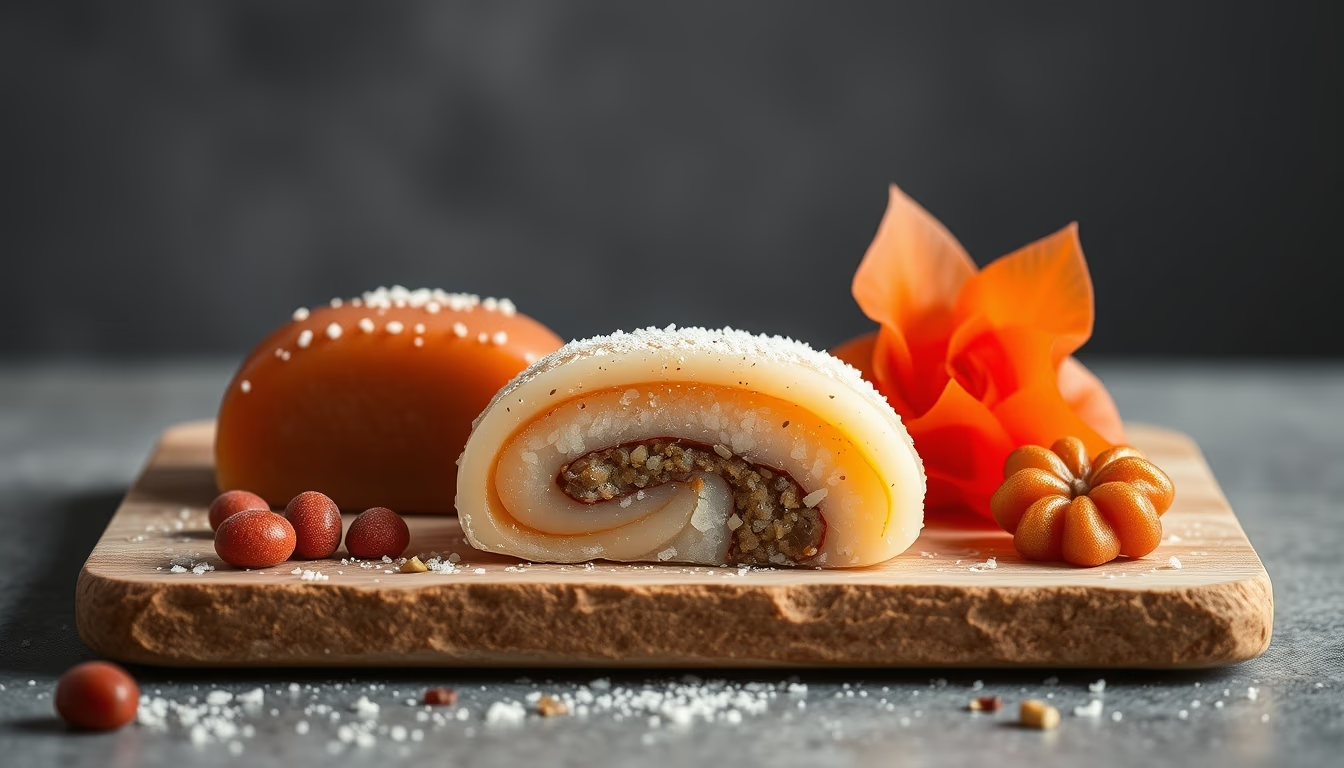
Wagashi are traditional Japanese confections that change with the seasons, often served during the tea ceremony.
About this subject
Wagashi, meaning 'Japanese sweets', are traditional confections that have accompanied the tea ceremony (chanoyu) for centuries. Unlike Western desserts, they are low in sugar and made from natural ingredients such as azuki beans, glutinous rice, agar-agar, and matcha. Their presentation is as important as taste, reflecting the season through shapes, colors, and poetic names.
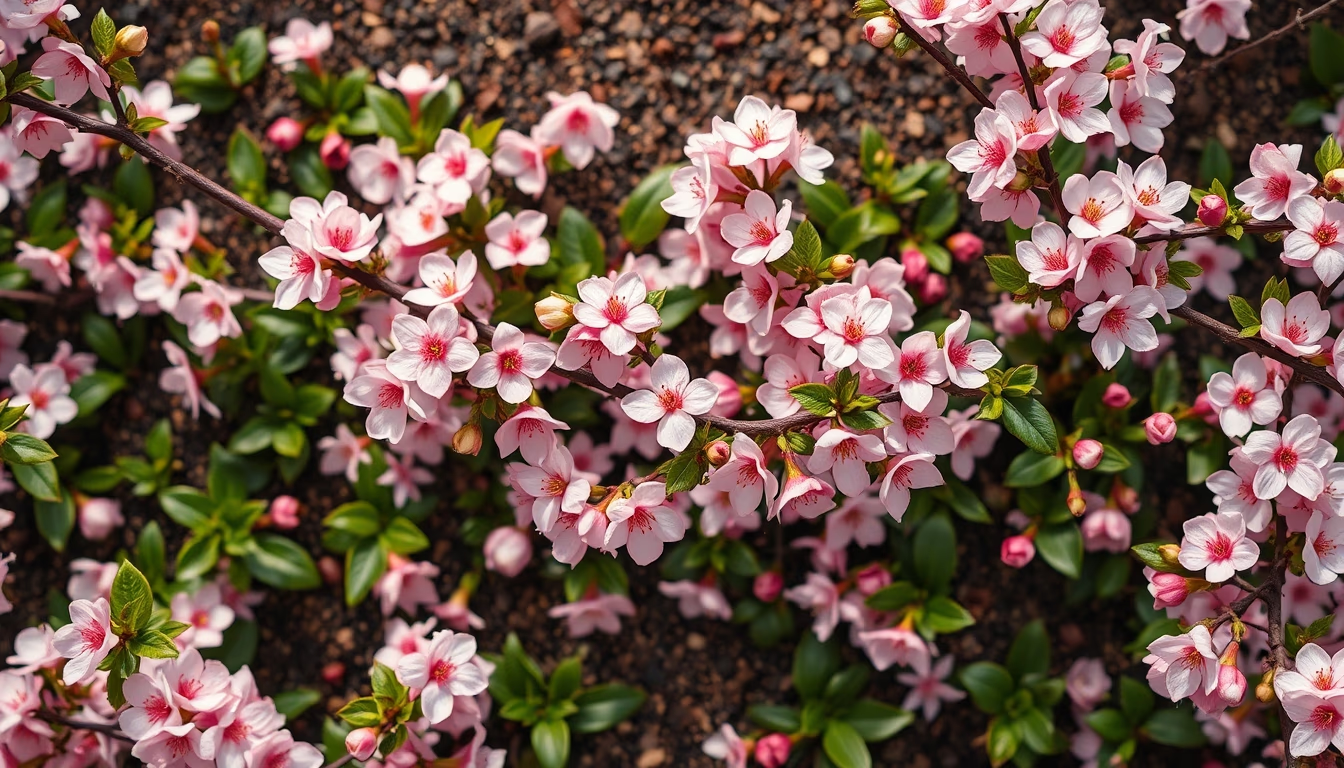
In Japan, each season inspires specific wagashi. In spring, sakura mochi (rice cake wrapped in preserved cherry leaf) and hanami dango (colorful dumplings for flower viewing) are popular. Summer brings gyūhi (soft rice dough) and mizu yokan (azuki bean jelly), which offer refreshment. Autumn features kuri manju (buns filled with chestnut paste) and imagawayaki (pancakes with sweet filling). Winter includes oshiruko (sweet azuki bean soup with mochi) and yōkan (denser bean jelly).
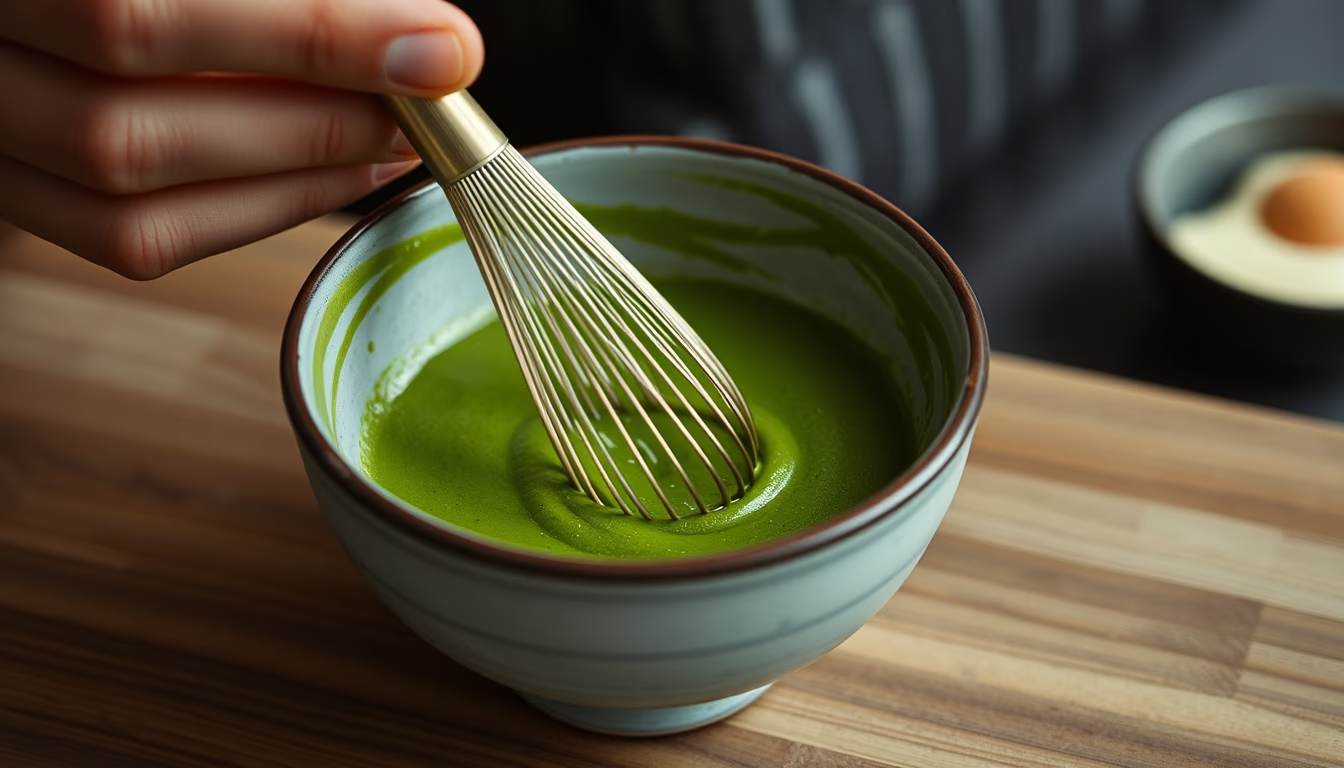
The tea ceremony is the main stage for wagashi. Before drinking bitter matcha, the guest enjoys a sweet to balance the palate. The chosen wagashi must harmonize with the ceremony's theme, season, and even the name of the occasion. Tea masters (chajin) study the perfect pairing, and many wagashi are created specifically for tea events.
Beyond the ceremony, wagashi are consumed at festivals, temple visits, and as gifts (omiyage) due to their beauty and seasonal significance. Making these sweets requires years of practice and is considered an art form in Japan. Today, global appreciation of wagashi is growing, with Western confectioners reinterpreting traditional recipes.
Frequently Asked Questions
What is the difference between wagashi and Western sweets?
Wagashi are made with natural ingredients like azuki beans and rice, have low sugar content, and are less sweet. Their presentation is seasonal and artistic, while Western sweets prioritize creams and chocolate.
Why are wagashi served during the tea ceremony?
Wagashi is served before matcha to balance the bitter taste of the tea. It also represents the season and theme of the ceremony, enhancing the aesthetic and spiritual experience.
What are the most common types of wagashi for each season?
Spring: sakura mochi and hanami dango. Summer: gyūhi and mizu yokan. Autumn: kuri manju and imagawayaki. Winter: oshiruko and yōkan.
Direct URL
https://pub-c7d6a6ea828543ac903a74a341ccb2e1.r2.dev/imagens/wagashi-sweets-seasonal-studio-still-life-fresh17.avifHow to credit
Include a visible link back to UtilizAí. Copy one of the snippets below:
<a href="https://xn--utiliza-eza.com/en/midia/imagens/wagashi-sweets-seasonal-studio-still-life-fresh17">Wagashi sweets seasonal</a> by <a href="https://xn--utiliza-eza.com">UtilizAí</a>, licensed under <a href="https://creativecommons.org/licenses/by/4.0/">CC BY 4.0</a>.
[Wagashi sweets seasonal](https://xn--utiliza-eza.com/en/midia/imagens/wagashi-sweets-seasonal-studio-still-life-fresh17) by [UtilizAí](https://xn--utiliza-eza.com), CC BY 4.0
License: CC-BY-4.0