Wagashi sweets seasonal
1344×768 · AVIF · CC BY 4.0
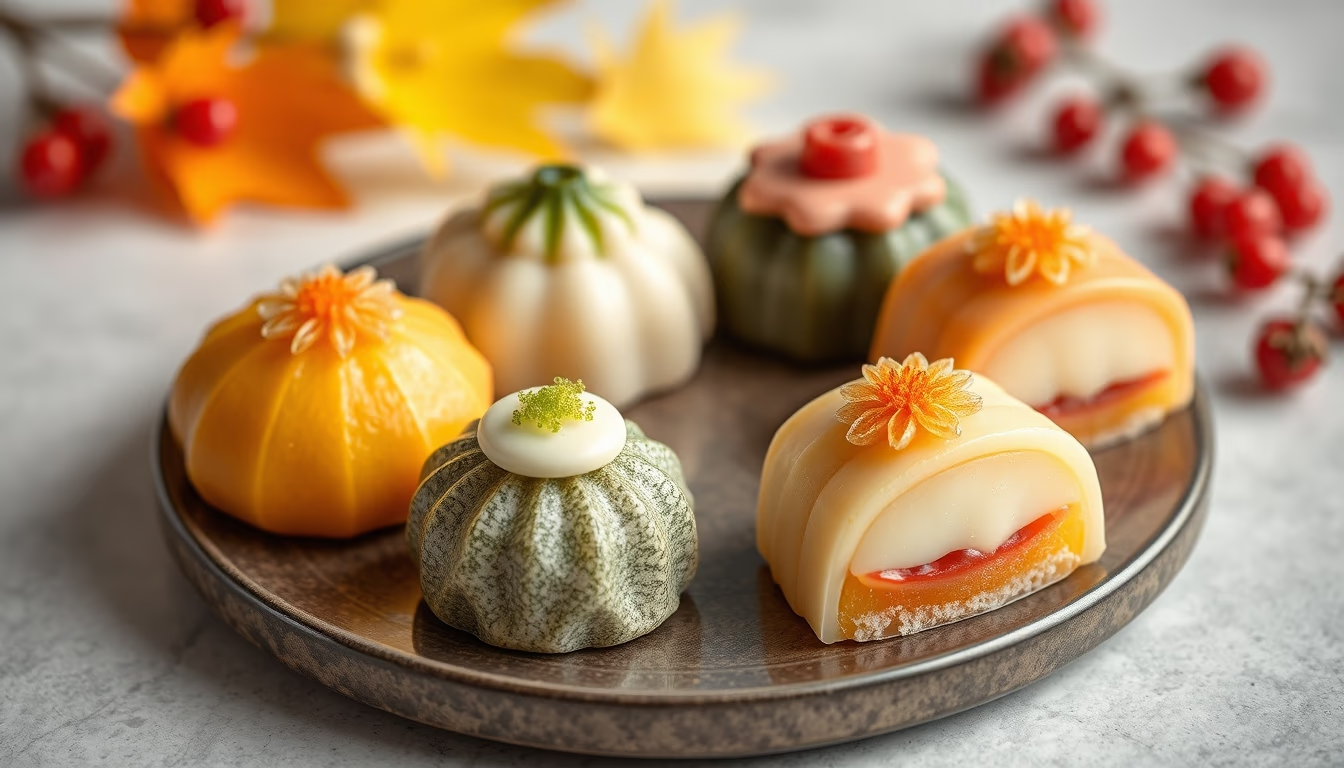
Wagashi are traditional Japanese sweets that change with the seasons, used in tea ceremonies to harmonize flavor and aesthetics.
About this subject
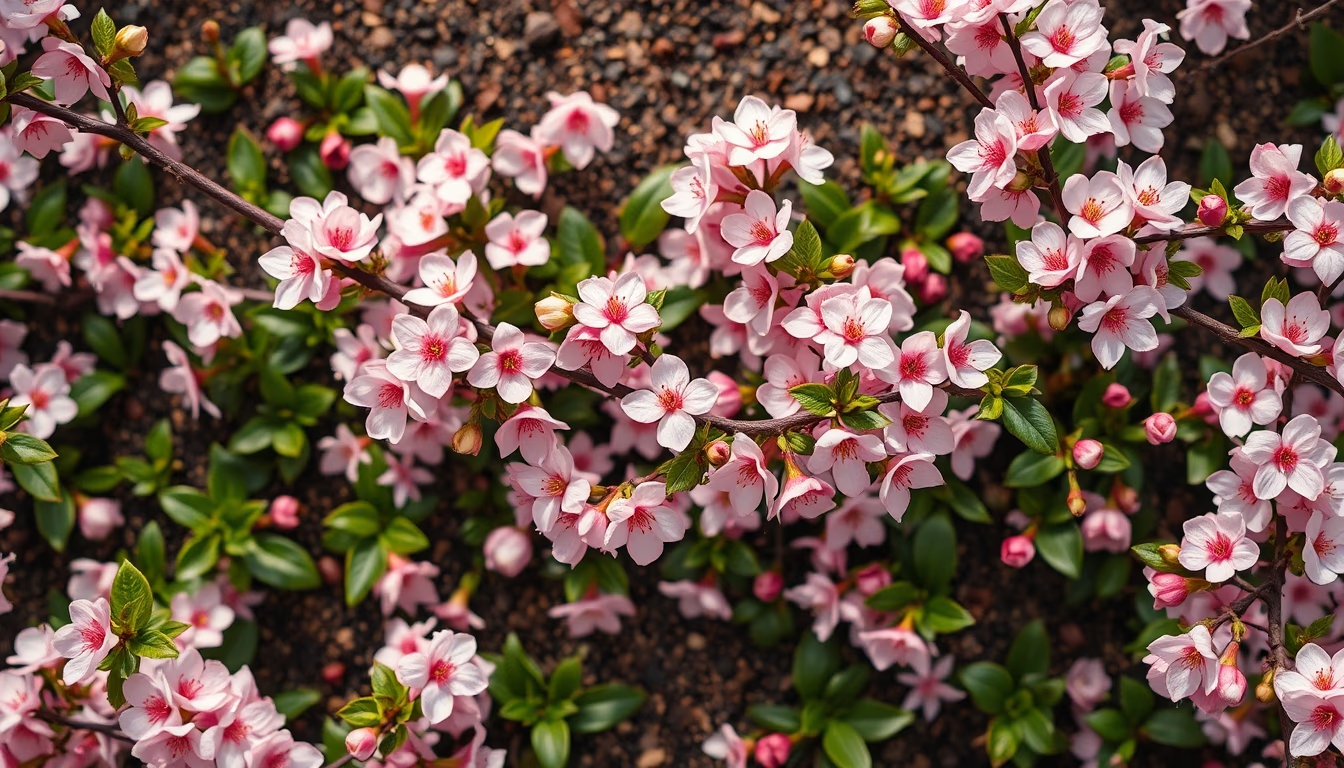
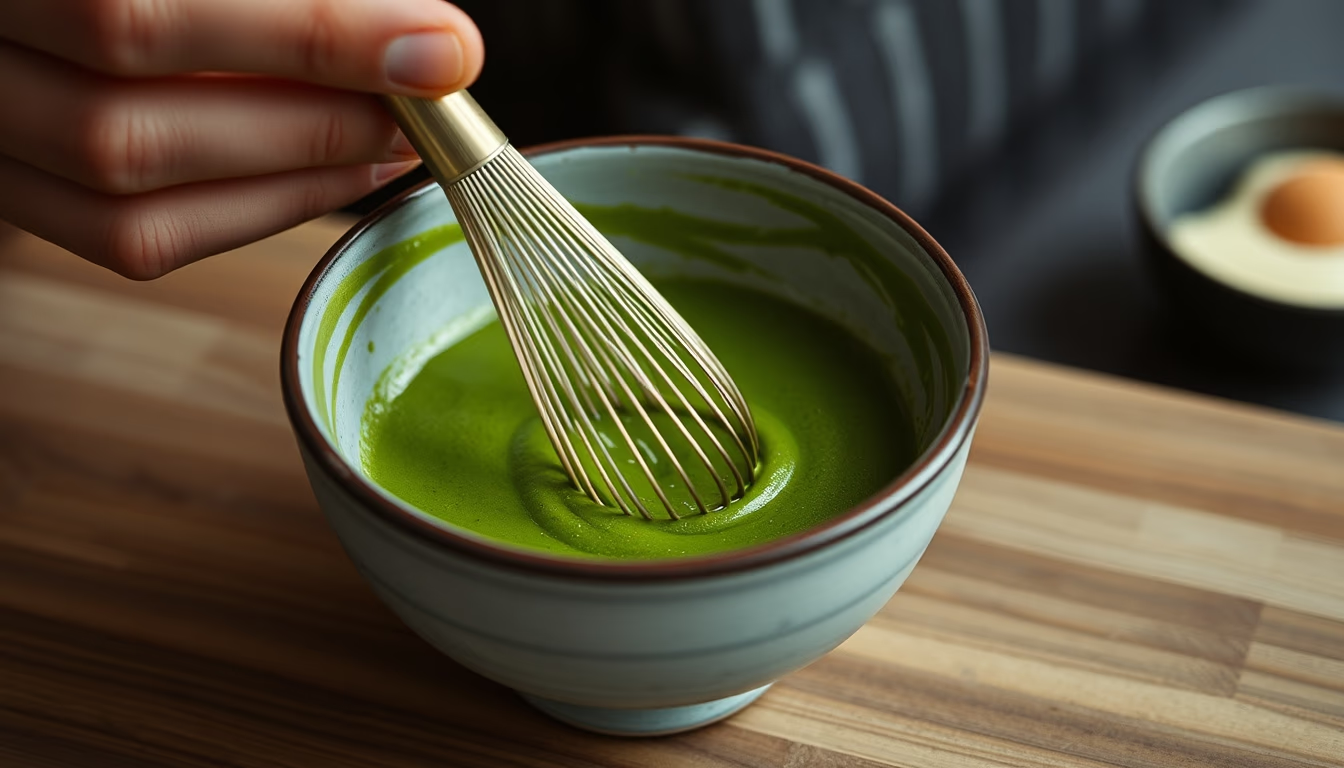
Wagashi are handmade Japanese sweets served alongside bitter matcha tea during the tea ceremony. They are crafted from natural ingredients such as mochi rice, azuki beans, sugar, and agar-agar, producing varied textures from soft nerikiri to crispy monaka. Seasonality is paramount: spring features cherry blossom shaped wagashi or sakura mochi filled with bean paste and wrapped in a pickled cherry leaf; summer offers translucent kuzumochi or refreshing fruit jellies; autumn showcases chestnuts (kuri) and red tinted leaf designs; winter presents artificial snow shaped yuki mochi and sweet soups like shiruko.
Each wagashi embodies the Japanese aesthetic concept of wabi-sabi, which values simplicity and natural imperfection. In the tea ceremony (chanoyu), wagashi is an essential element: before drinking the tea, guests enjoy the sweet to balance their palate. The selection of wagashi also reflects the season, weather, and occasion, making every gathering unique. Master confectioners (wagashishi) spend years mastering techniques to shape sweets that resemble flowers, fruits, animals, or landscapes, using colors derived from green tea, chrysanthemum pollen, red rice, and other natural pigments.
Beyond ceremonial use, wagashi are popular at seasonal festivals such as Hinamatsuri (Doll Festival) in March, when hina-arare and hishi-mochi are consumed, and Tsukimi (moon viewing) in September with tsukimi dango. The culture of wagashi has also sparked international adaptations, including versions in Brazil and other countries, while maintaining the essence of a sweet that is visual and gustatory poetry.
Frequently Asked Questions
What is the difference between wagashi and other Japanese sweets?
Wagashi are traditional handmade sweets using plant based ingredients like rice and azuki beans, as opposed to Western style sweets (yōgashi) that use butter, eggs, and chocolate. They are also deeply tied to seasonality and the tea ceremony.
How are wagashi made?
Production involves steaming, hand molding, and using wooden molds. Common ingredients include azuki bean paste (anko), mochi rice, and agar agar. Seasonal colors and shapes are achieved with natural plant extracts and powders.
Can wagashi be found outside Japan?
Yes, specialized wagashi shops exist worldwide, adapting recipes to local ingredients. In Brazil, versions incorporate dulce de leche and coconut while preserving the artisanal and seasonal spirit.
Direct URL
https://pub-c7d6a6ea828543ac903a74a341ccb2e1.r2.dev/imagens/wagashi-sweets-seasonal-studio-editorial-portrait-fresh5.avifHow to credit
Include a visible link back to UtilizAí. Copy one of the snippets below:
<a href="https://xn--utiliza-eza.com/en/midia/imagens/wagashi-sweets-seasonal-studio-editorial-portrait-fresh5">Wagashi sweets seasonal</a> by <a href="https://xn--utiliza-eza.com">UtilizAí</a>, licensed under <a href="https://creativecommons.org/licenses/by/4.0/">CC BY 4.0</a>.
[Wagashi sweets seasonal](https://xn--utiliza-eza.com/en/midia/imagens/wagashi-sweets-seasonal-studio-editorial-portrait-fresh5) by [UtilizAí](https://xn--utiliza-eza.com), CC BY 4.0
License: CC-BY-4.0