Wagashi sweets seasonal
1344×768 · AVIF · CC BY 4.0
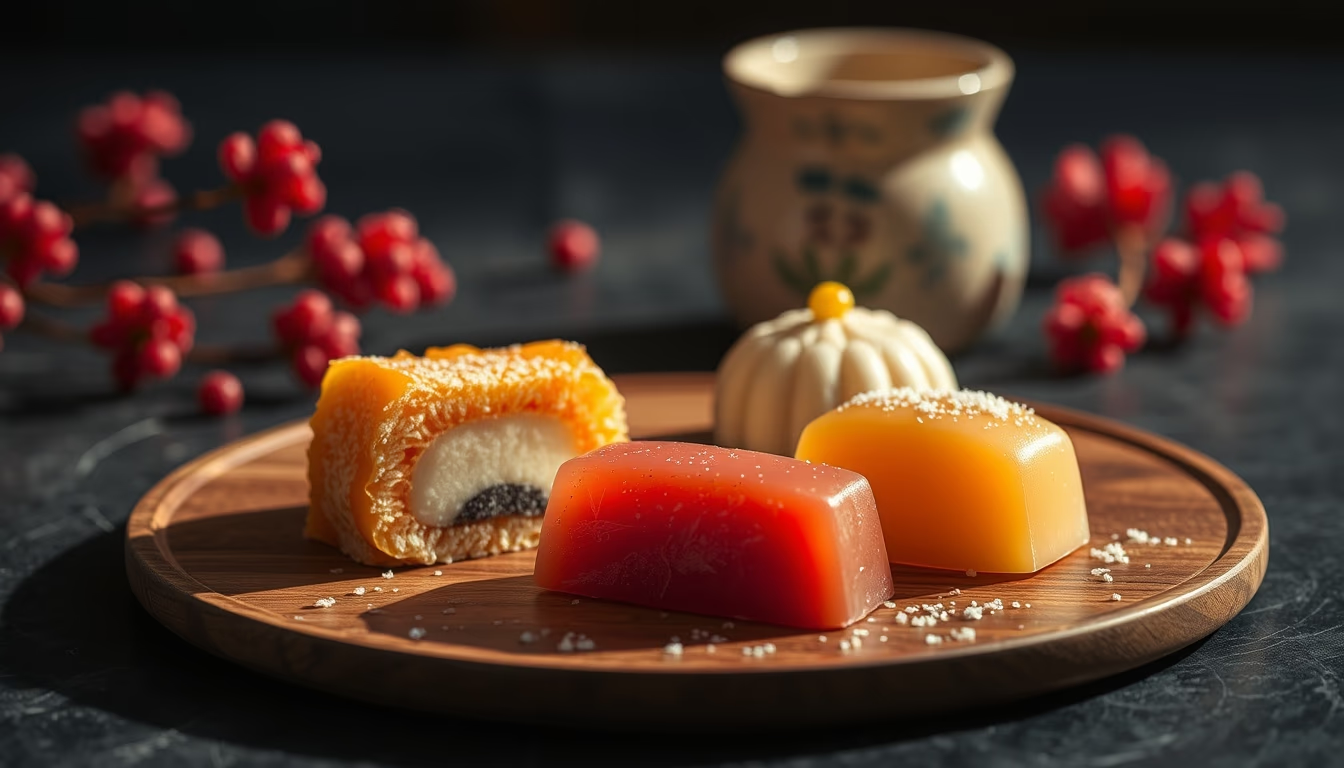
Wagashi are traditional Japanese sweets that express the seasons through flavors, textures, and shapes, especially served in tea ceremonies.
About this subject
Wagashi are traditional Japanese confections with over a thousand years of history, deeply tied to the tea ceremony (chanoyu) and kaiseki cuisine. Originating as offerings in Shinto rituals and influenced by Chinese sweets, they evolved into an art form that celebrates nature and the ephemerality of seasons. Each piece is meticulously handcrafted using ingredients such as azuki bean paste (anko), glutinous rice (mochi), and sugar, without dairy or eggs, giving them a delicate texture and subtle sweetness.
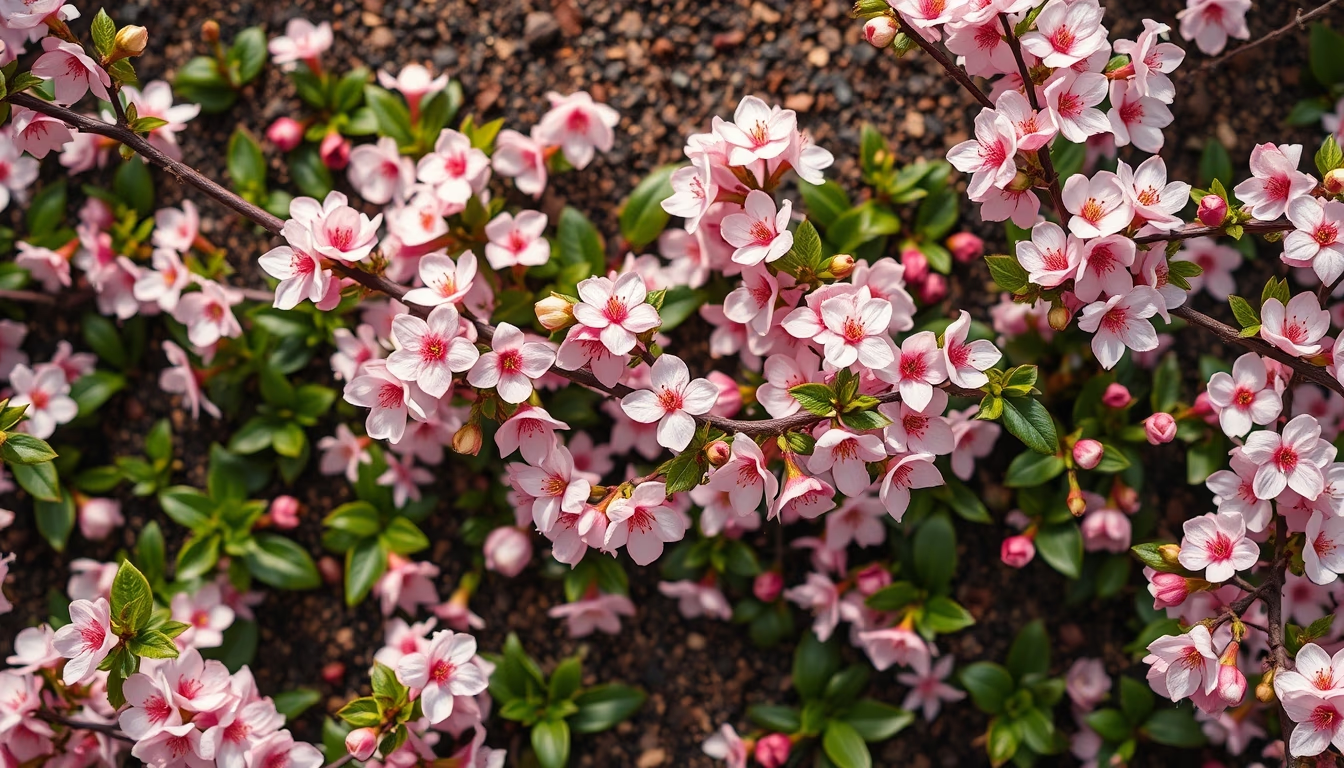
Seasonality is the heart of wagashi. In spring, cherry blossom shapes and preserved sakura leaves appear; summer brings translucent kanten (agar) confections evoking coolness; autumn features chestnuts and maple leaves; winter showcases white mochi snowscapes. Poetic names like "melting snow" or "first frost" reference natural phenomena. This focus on the calendar is not merely aesthetic: eating wagashi is believed to align the body with nature's cycles.
Making wagashi requires years of training. Masters (wagashishi) master techniques such as nerikiri (molding white bean paste), yōkan (bean jelly), and manjū (stuffed buns). Every step is precise: the anko must be velvety, humidity controlled. Some wagashi are grilled (yakimanjū) or deep-fried (karinto). Presentation on ceramic or lacquerware, often adorned with twigs or leaves, completes the experience.
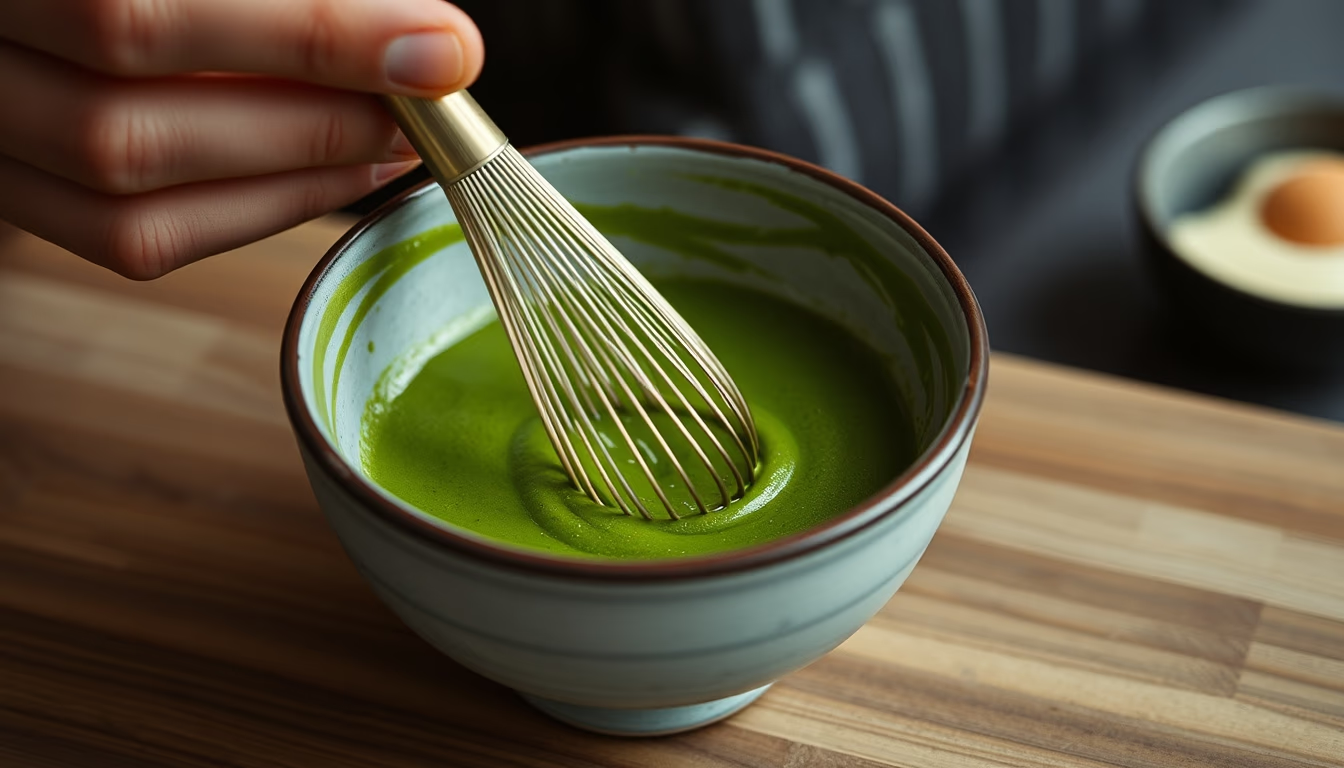
In the tea ceremony, wagashi plays an essential role. Served before matcha, it balances the tea's bitterness and prepares the palate. The wagashi's shape and color are chosen to harmonize with the tea bowl and season. The shared glance between host and guest while appreciating the sweet is part of the silent communication that defines chado. Wagashi is not just food: it is a vessel of hospitality (omotenashi) and aesthetic contemplation.
Frequently Asked Questions
What are wagashi?
Wagashi are traditional Japanese handcrafted sweets, typically made from azuki bean paste, glutinous rice, and sugar. They are known for their seasonal artistry and are often served in tea ceremonies.
How do wagashi represent the seasons?
Each season inspires specific ingredients, shapes, and names. For example, spring uses preserved cherry leaves, summer features translucent agar textures, autumn uses chestnuts and maple leaves, and winter shows mochi snow. This reflects the Japanese philosophy of harmony with nature.
What is the difference between wagashi and Western sweets?
Wagashi are less sweet, contain no dairy or eggs, and emphasize seasonality and minimalist aesthetics. While Western sweets often aim for indulgence, wagashi value subtlety and balance with bitter tea.
Direct URL
https://pub-c7d6a6ea828543ac903a74a341ccb2e1.r2.dev/imagens/wagashi-sweets-seasonal-rembrandt-lighting-dramatic-shadows-fresh2.avifHow to credit
Include a visible link back to UtilizAí. Copy one of the snippets below:
<a href="https://xn--utiliza-eza.com/en/midia/imagens/wagashi-sweets-seasonal-rembrandt-lighting-dramatic-shadows-fresh2">Wagashi sweets seasonal</a> by <a href="https://xn--utiliza-eza.com">UtilizAí</a>, licensed under <a href="https://creativecommons.org/licenses/by/4.0/">CC BY 4.0</a>.
[Wagashi sweets seasonal](https://xn--utiliza-eza.com/en/midia/imagens/wagashi-sweets-seasonal-rembrandt-lighting-dramatic-shadows-fresh2) by [UtilizAí](https://xn--utiliza-eza.com), CC BY 4.0
License: CC-BY-4.0