Wagashi sweets seasonal
1344×768 · AVIF · CC BY 4.0
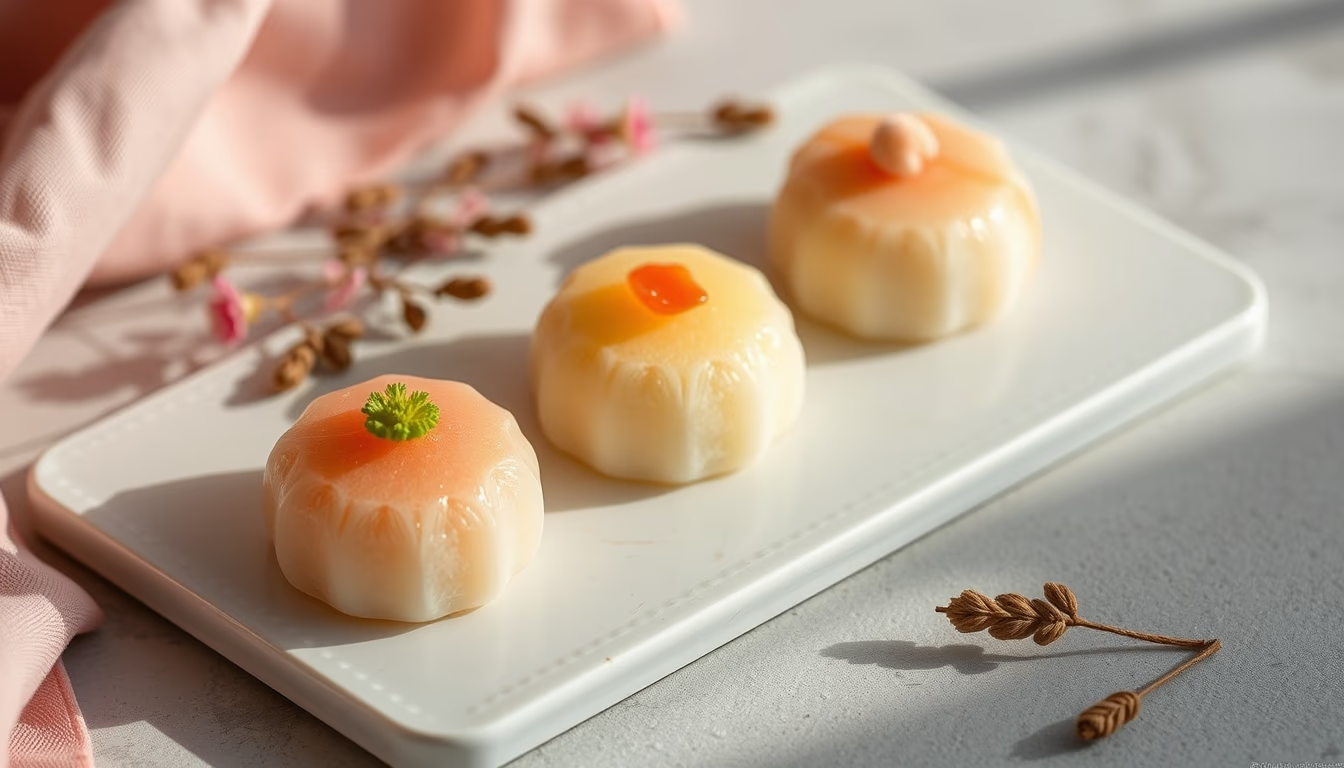
Wagashi are traditional Japanese confections that celebrate the seasons, handcrafted with natural ingredients like azuki beans and mochi rice.
About this subject
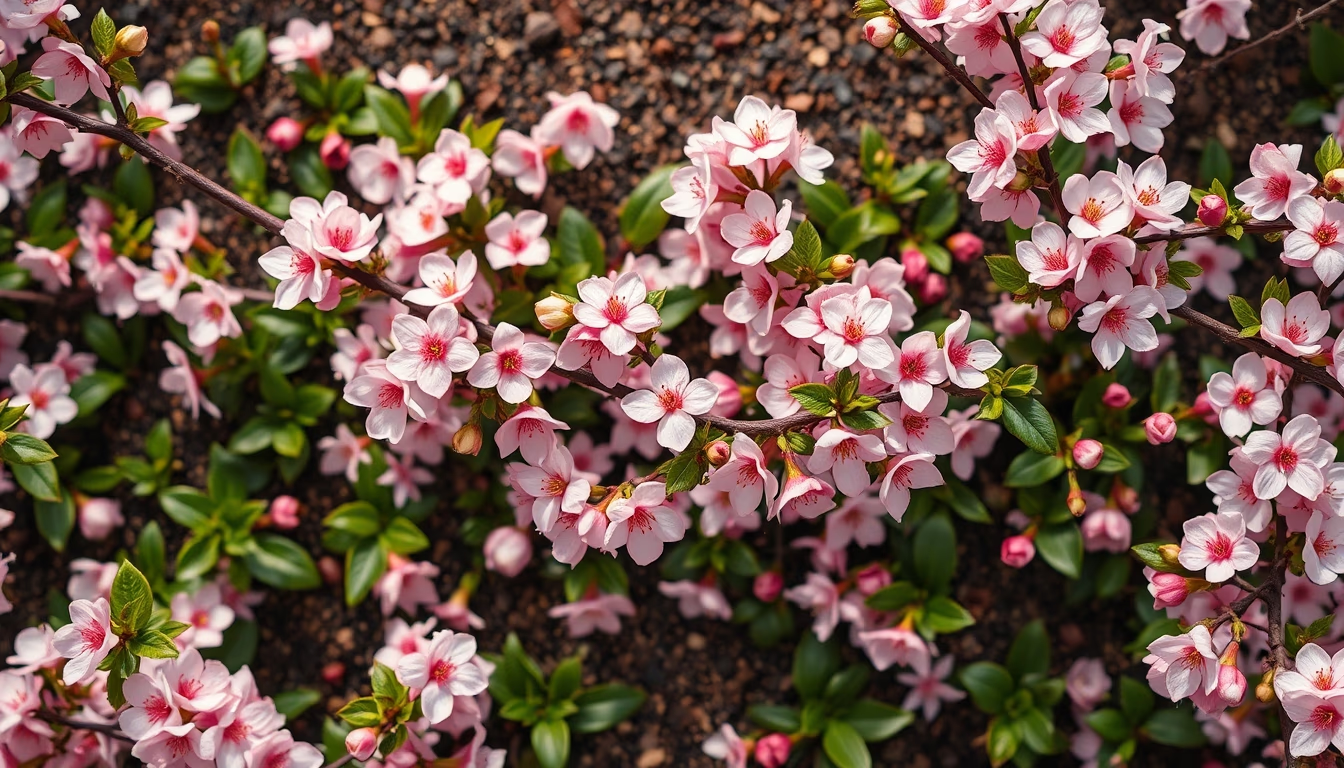
Wagashi are traditional Japanese sweets deeply connected to the tea ceremony and seasonal aesthetics. These edible art pieces are crafted to reflect nature in each season: cherry blossoms (sakura) in spring, maple leaves in autumn, snowflakes in winter, and summer flowers. Key ingredients include sweet red bean paste (anko), mochi (glutinous rice cake), agar-agar (kanten), and sugar. The preparation is meticulous, often passed down through generations, with master wagashi makers (wagashishi) dedicating years to perfecting their craft.
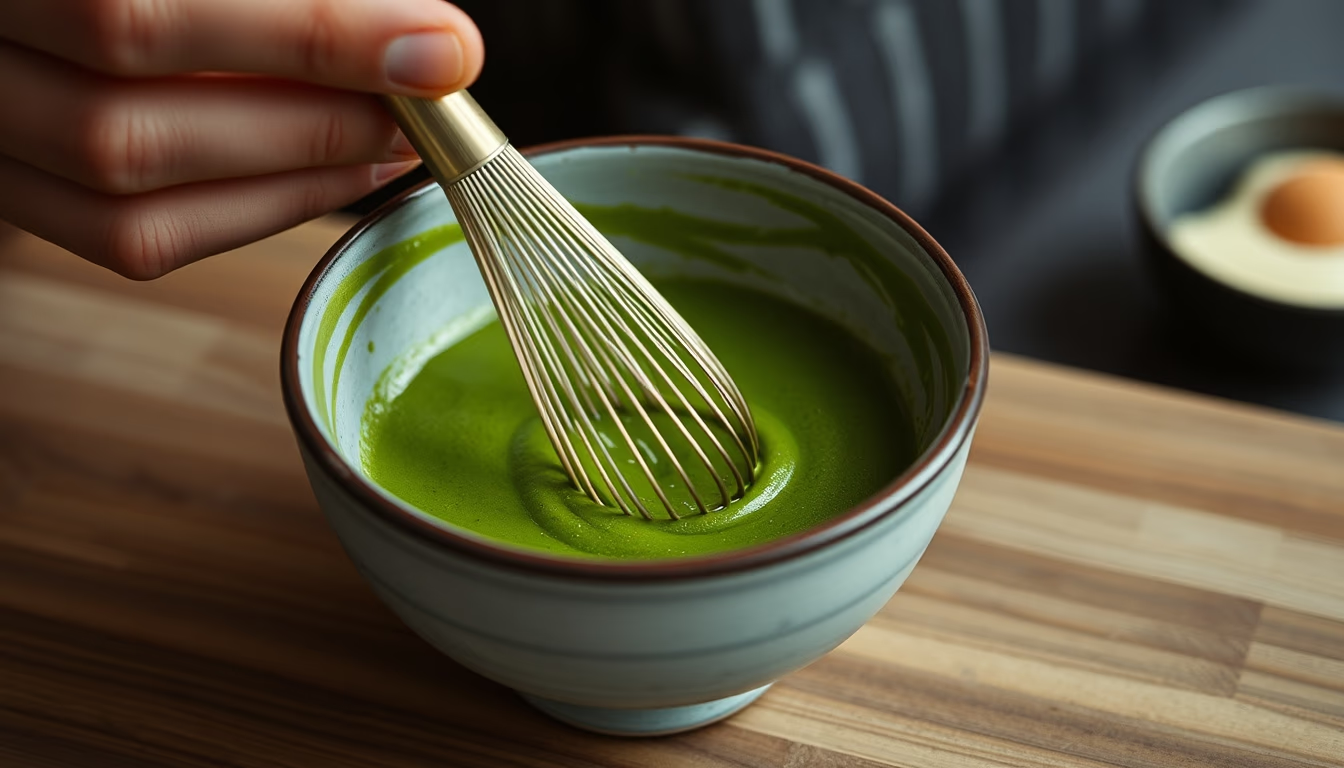
The origin of wagashi dates back to the Heian period (794, 1185), when fruit and nut-based sweets were served at the imperial court. With the introduction of matcha tea and Zen Buddhism in the 12th century, wagashi gained a central role in the tea ceremony (chanoyu), balancing the bitterness of green tea with subtle sweetness. During the Edo period (1603, 1868), sugar became more accessible, allowing diversification of shapes and flavors. Each region in Japan developed local specialties, such as Kyoto's nerikiri (hand-molded confections) and Tokyo's manju (filled buns).
Today, seasonal wagashi are enjoyed not only in ceremonies but also in cafes and as gifts (omiyage). The Japanese Confectionery Association recognizes hundreds of seasonal types, each with poetic names tied to the season. For instance, sakura mochi (mochi wrapped in cherry leaf) is typical of March, while kuri manju (chestnut sweet) marks autumn. Texture and flavor are designed to harmonize with the time of year, offering a complete sensory experience. Seasonality is so valued that many wagashi are available only for a few weeks, reinforcing the connection with natural cycles.
Beyond taste, wagashi carry symbolism: shapes of flowers, fruits, or animals represent wishes for prosperity, health, or good luck. They are often consumed during festivals like Hanami (flower viewing) and Tsukimi (moon viewing). Artisanal production still predominates, though industrialized versions exist for the mass market. Understanding seasonal wagashi is a dive into Japanese mindfulness and appreciation of transient beauty, a concept known as mono no aware.
Frequently Asked Questions
What are wagashi and how do they relate to the seasons?
Wagashi are traditional Japanese confections handcrafted to reflect the seasons. Each seasonal wagashi incorporates ingredients, shapes, and colors that evoke the current time of year, such as cherry blossoms in spring or autumn leaves.
What are common ingredients in seasonal wagashi?
Key ingredients include sweet red bean paste (anko), mochi (glutinous rice), agar-agar (kanten), and sugar. Seasonal variations may feature fruits or nuts typical of that period. They are typically dairy- and egg-free, following Buddhist tradition.
How are wagashi consumed in the tea ceremony?
In the tea ceremony (chanoyu), a wagashi is served before matcha to balance its bitterness. The sweet is chosen based on the season and occasion, and its texture and flavor enhance the overall tea experience.
Direct URL
https://pub-c7d6a6ea828543ac903a74a341ccb2e1.r2.dev/imagens/wagashi-sweets-seasonal-magazine-editorial-fresh10.avifHow to credit
Include a visible link back to UtilizAí. Copy one of the snippets below:
<a href="https://xn--utiliza-eza.com/en/midia/imagens/wagashi-sweets-seasonal-magazine-editorial-fresh10">Wagashi sweets seasonal</a> by <a href="https://xn--utiliza-eza.com">UtilizAí</a>, licensed under <a href="https://creativecommons.org/licenses/by/4.0/">CC BY 4.0</a>.
[Wagashi sweets seasonal](https://xn--utiliza-eza.com/en/midia/imagens/wagashi-sweets-seasonal-magazine-editorial-fresh10) by [UtilizAí](https://xn--utiliza-eza.com), CC BY 4.0
License: CC-BY-4.0