Wagashi sweets seasonal
1344×768 · AVIF · CC BY 4.0
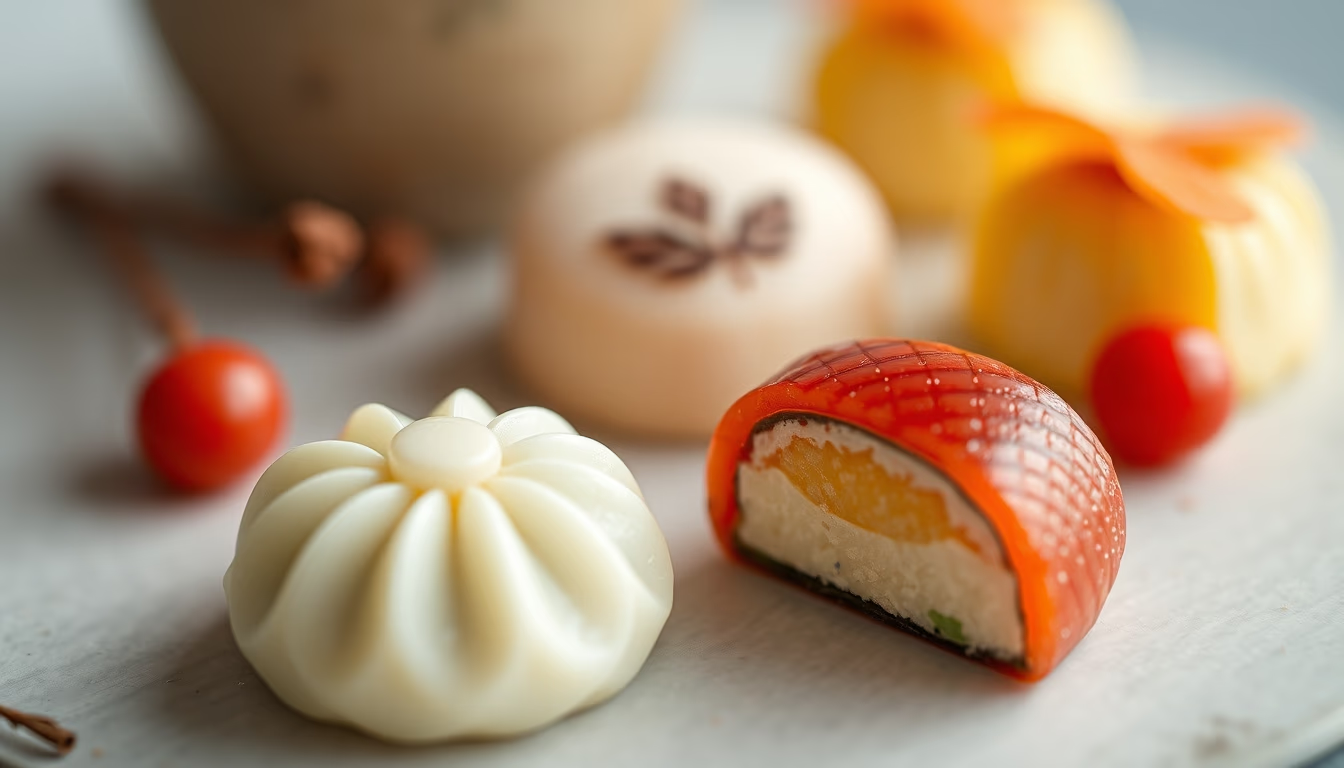
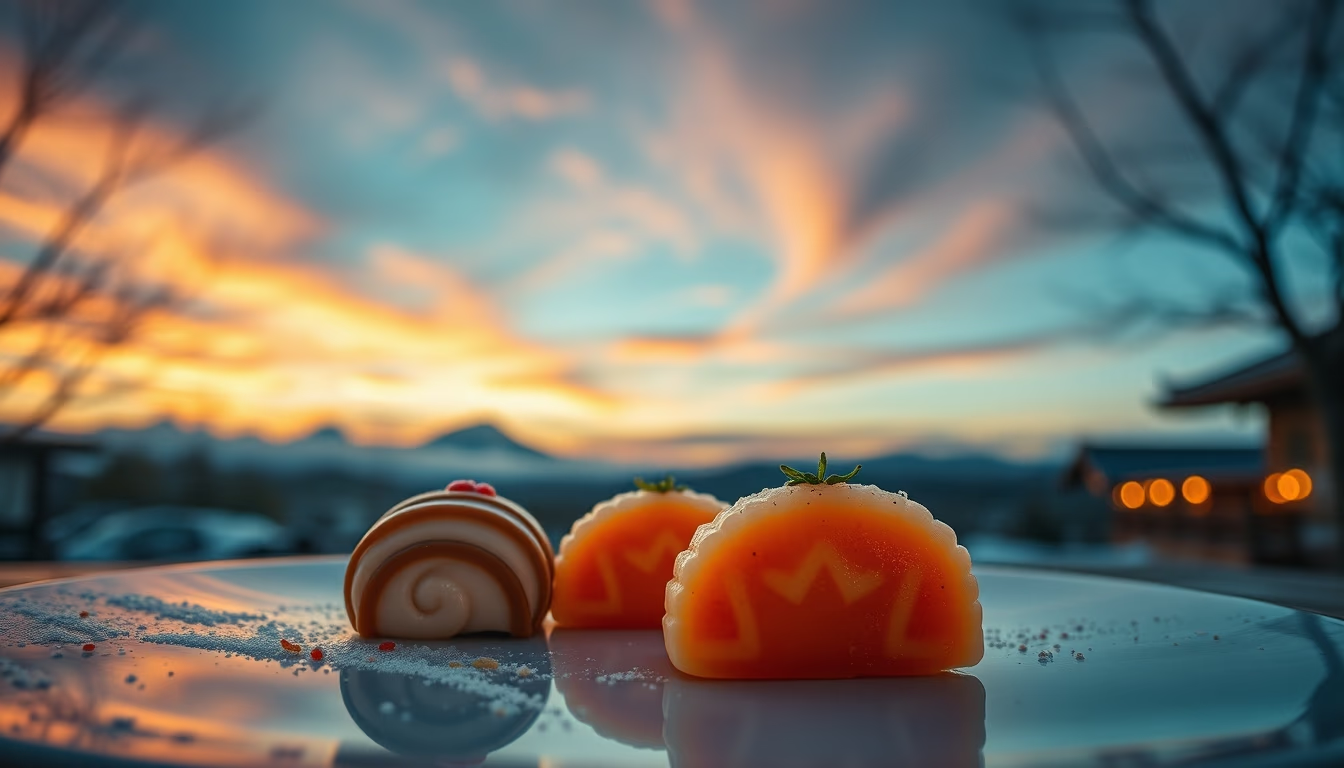
Wagashi are traditional Japanese sweets served in tea ceremonies, with seasonal variations that reflect nature and the time of year.
About this subject
Wagashi are traditional Japanese confections deeply tied to the tea ceremony (chanoyu). Originating in the Edo period, they balance the bitterness of matcha with subtle sweetness, made from natural ingredients like glutinous rice, azuki beans (processed into sweet red bean paste, or anko), and agar-agar. Their production requires refined craftsmanship, as each piece is hand-molded to evoke natural elements such as flowers, fruits, or seasonal landscapes.
Seasonality is a key aspect of wagashi. In spring, sakura mochi (rice cakes wrapped in salted cherry leaves) and hanami dango (colorful dumplings eaten under blooming trees) are popular. Summer features mizu manju (translucent sweets filled with anko) for a refreshing look. Autumn offers kuri manju (chestnut-filled sweets) and momiji manju (maple-leaf-shaped treats). Winter brings yokan (jellied bean paste confection), often made with white beans or green tea powder.
Beyond tea ceremonies, wagashi are given as gifts for special occasions like weddings and festivals. They fall into two main categories: namagashi (fresh sweets with high moisture, short shelf life) and higashi (dry sweets with long shelf life, made from rice flour and sugar). Many wagashi are vegan, but some may contain eggs or animal gelatin, so ingredient verification is important.
Wagashi's popularity has spread globally. In Western countries, they are valued for both flavor and minimalist seasonal aesthetics. In Brazilian tea houses, adaptations with local ingredients such as dulce de leche or coconut are emerging. The art of wagashi is an intangible cultural heritage that connects taste, season, and spirituality.
Frequently Asked Questions
What are wagashi?
Wagashi are traditional Japanese sweets, often served in tea ceremonies. They are handmade from natural ingredients like rice, azuki beans, and agar-agar, and are prized for their seasonal aesthetics.
What is the relationship between wagashi and tea ceremony?
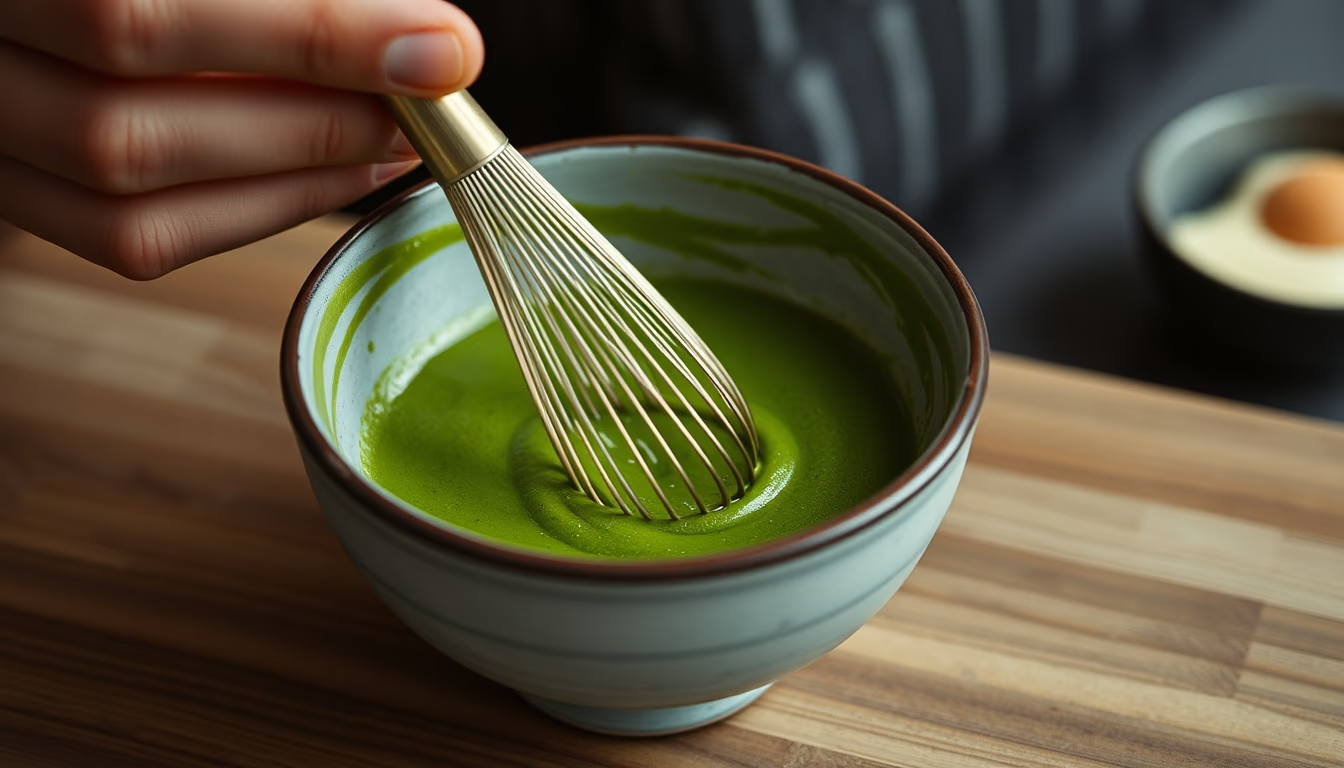
In the tea ceremony, wagashi are served before matcha to balance its bitterness. Their sweetness and seasonal beauty complement the sensory experience, reflecting the time of year and the harmony of the setting.
How many types of wagashi are there?
There are hundreds of varieties of wagashi, but they fall into two main categories: namagashi (fresh and moist) and higashi (dry). The choice depends on the season, the occasion, and the type of ceremony.
Direct URL
https://pub-c7d6a6ea828543ac903a74a341ccb2e1.r2.dev/imagens/wagashi-sweets-seasonal-macro-closeup-fresh7.avifHow to credit
Include a visible link back to UtilizAí. Copy one of the snippets below:
<a href="https://xn--utiliza-eza.com/en/midia/imagens/wagashi-sweets-seasonal-macro-closeup-fresh7">Wagashi sweets seasonal</a> by <a href="https://xn--utiliza-eza.com">UtilizAí</a>, licensed under <a href="https://creativecommons.org/licenses/by/4.0/">CC BY 4.0</a>.
[Wagashi sweets seasonal](https://xn--utiliza-eza.com/en/midia/imagens/wagashi-sweets-seasonal-macro-closeup-fresh7) by [UtilizAí](https://xn--utiliza-eza.com), CC BY 4.0
License: CC-BY-4.0