Wagashi sweets seasonal
1344×768 · AVIF · CC BY 4.0
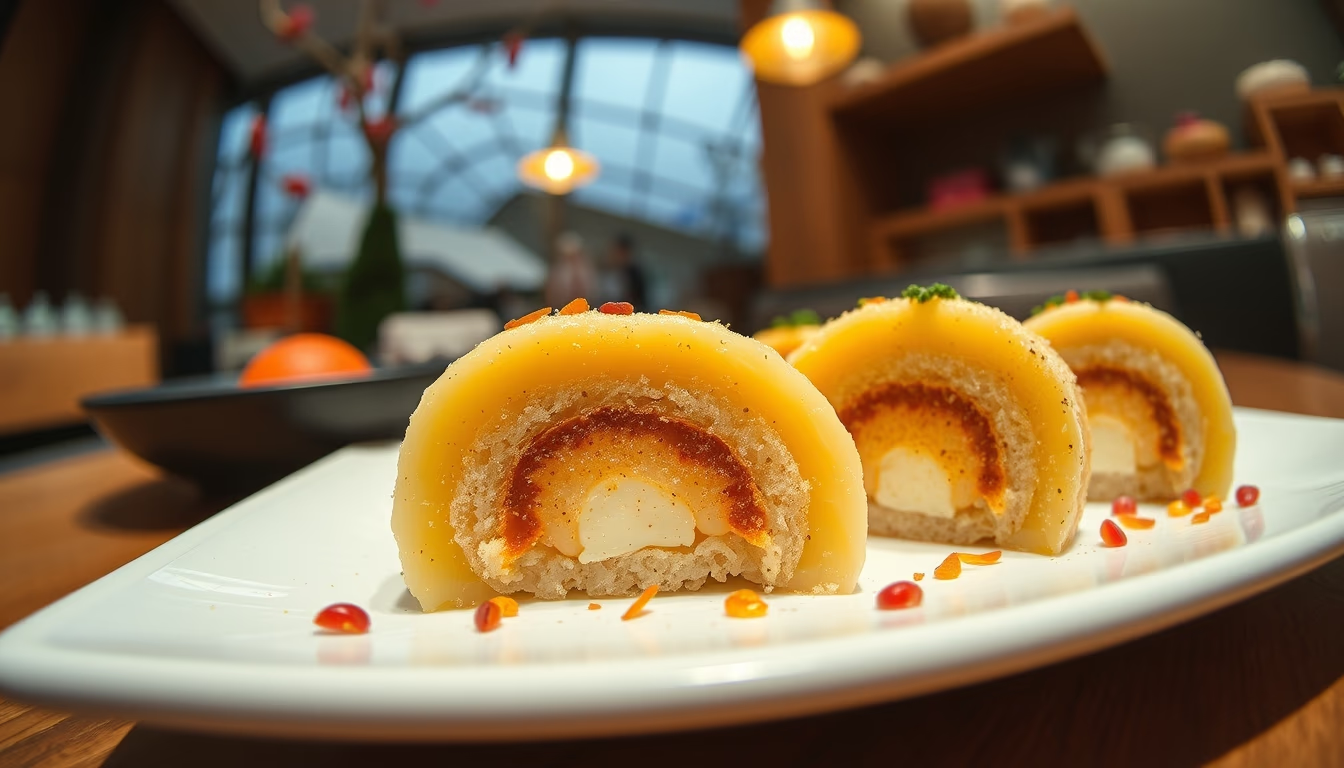
Wagashi are traditional Japanese sweets that change with the seasons, essential in the tea ceremony.
About this subject
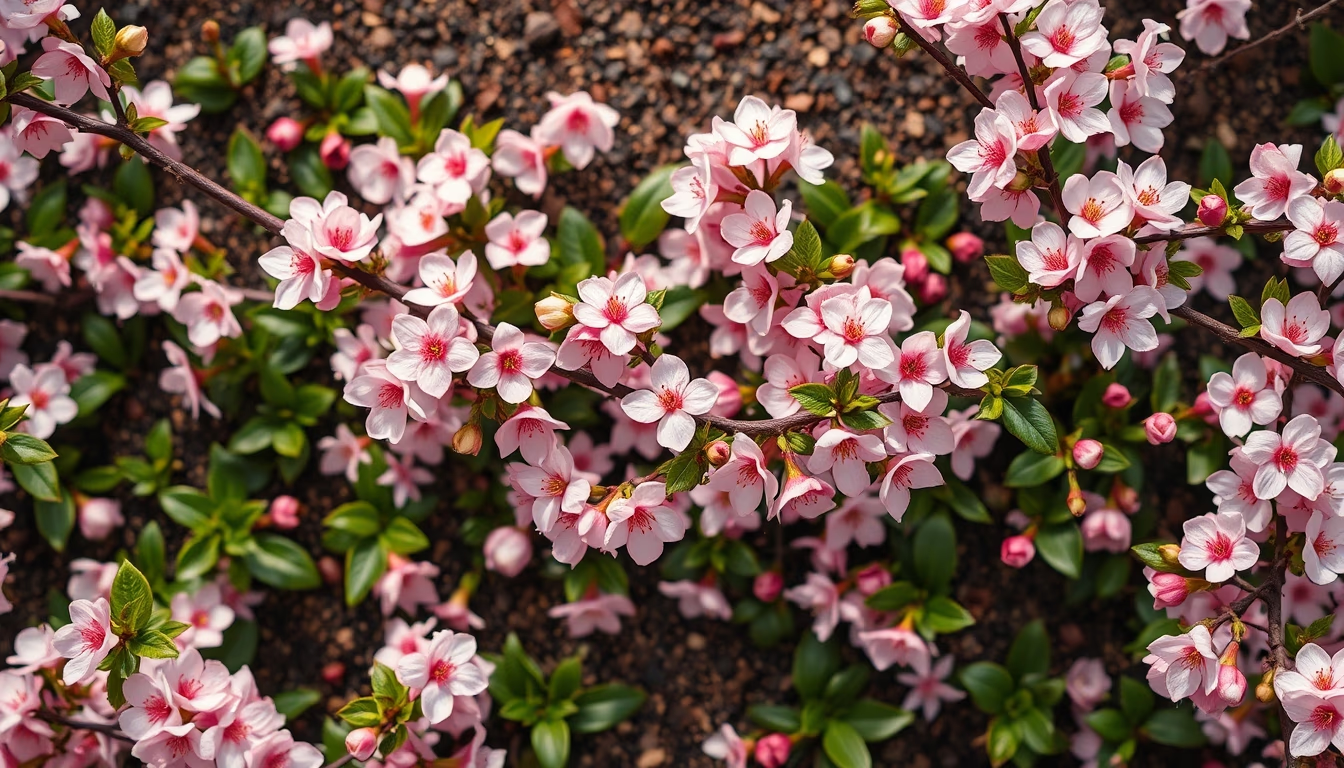
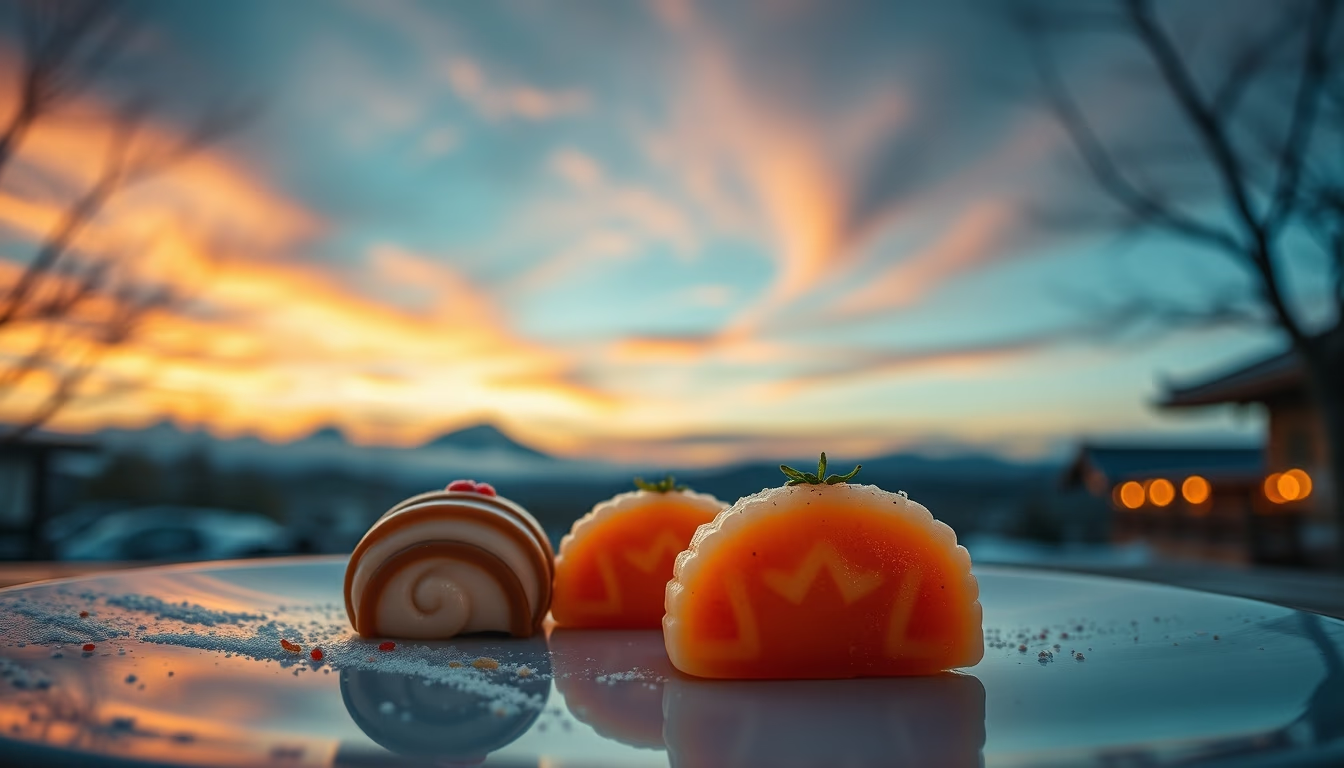
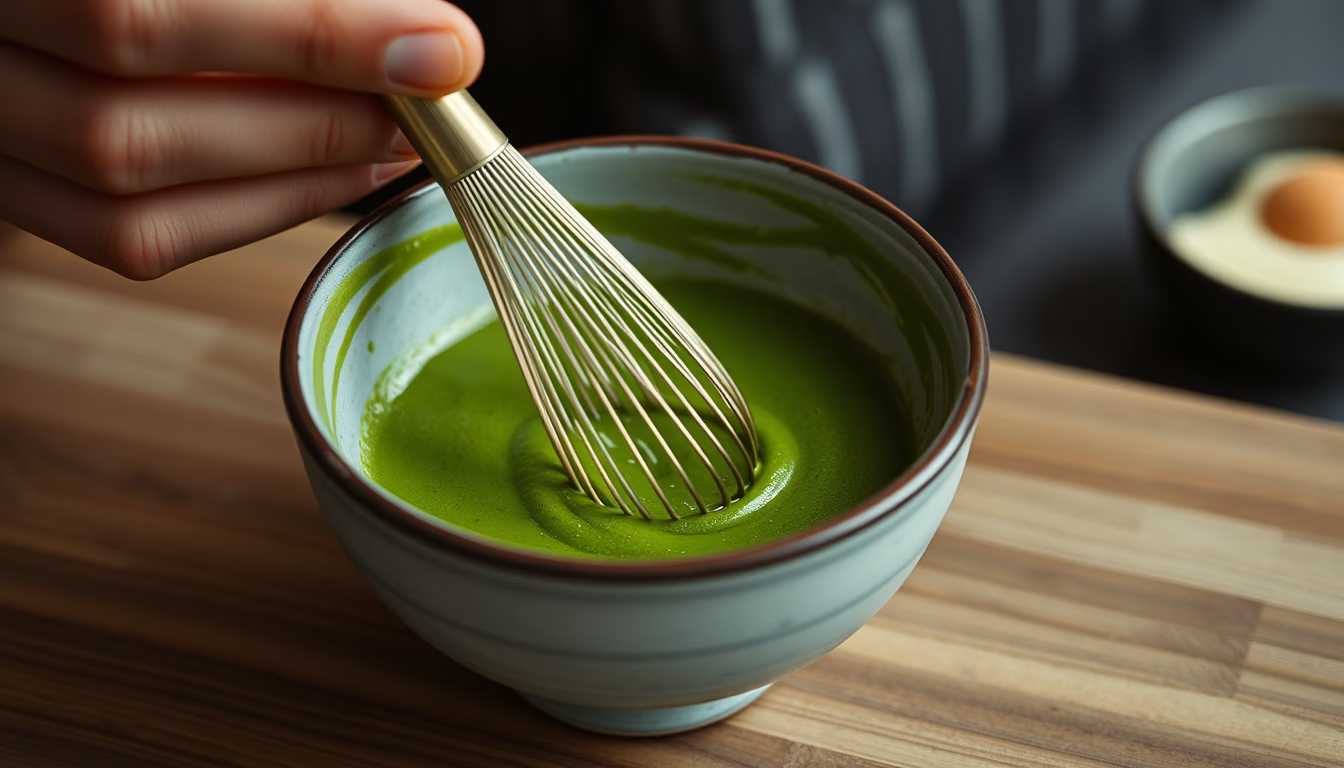
Wagashi are traditional Japanese confections that accompany the tea ceremony (chanoyu). Their production follows the concept of shun, which emphasizes seasonal ingredients such as sakura in spring, maple leaves in autumn, and snow in winter. Each season inspires shapes, colors, and textures that evoke nature: cherry blossoms, fruits like persimmon, or frozen landscapes. These sweets are primarily made from azuki bean paste (anko), mochi rice, and sugar, with regional variations like nerikiri, which is hand-molded. In the tea ceremony, wagashi is served before matcha to balance the bitterness of the drink. The choice of wagashi reflects the season and occasion, serving as an artistic expression and hospitality. Master confectioners spend decades perfecting techniques, and each piece is considered an ephemeral work of art, meant to be consumed fresh. Creating seasonal wagashi involves careful observation of nature, such as the blooming of wisteria or the changing leaf colors, to capture the essence of the moment. Beyond the tea ceremony, wagashi are enjoyed at festivals and as gifts, symbolizing good wishes. The demand for seasonal wagashi keeps the tradition alive, adapting to local and contemporary ingredients while preserving the connection to the natural calendar.
Frequently Asked Questions
What makes seasonal wagashi different from regular ones?
Seasonal wagashi uses ingredients typical of each season and its appearance mimics natural elements like spring flowers or winter ice, following the concept of shun.
Can wagashi be eaten outside the tea ceremony?
Yes, wagashi are popular throughout Japan as a dessert or snack, sold in confectioneries and supermarkets, but the handmade version is more valued in traditional contexts.
What is the relationship between wagashi and the Japanese calendar?
The Japanese calendar has 72 microseasons (kō), and wagashi often reflects these specific periods, such as tsukimi (moon viewing) in autumn.
Direct URL
https://pub-c7d6a6ea828543ac903a74a341ccb2e1.r2.dev/imagens/wagashi-sweets-seasonal-fish-eye-wide-angle-fresh0.avifHow to credit
Include a visible link back to UtilizAí. Copy one of the snippets below:
<a href="https://xn--utiliza-eza.com/en/midia/imagens/wagashi-sweets-seasonal-fish-eye-wide-angle-fresh0">Wagashi sweets seasonal</a> by <a href="https://xn--utiliza-eza.com">UtilizAí</a>, licensed under <a href="https://creativecommons.org/licenses/by/4.0/">CC BY 4.0</a>.
[Wagashi sweets seasonal](https://xn--utiliza-eza.com/en/midia/imagens/wagashi-sweets-seasonal-fish-eye-wide-angle-fresh0) by [UtilizAí](https://xn--utiliza-eza.com), CC BY 4.0
License: CC-BY-4.0