Wagashi sweets seasonal
1344×768 · AVIF · CC BY 4.0
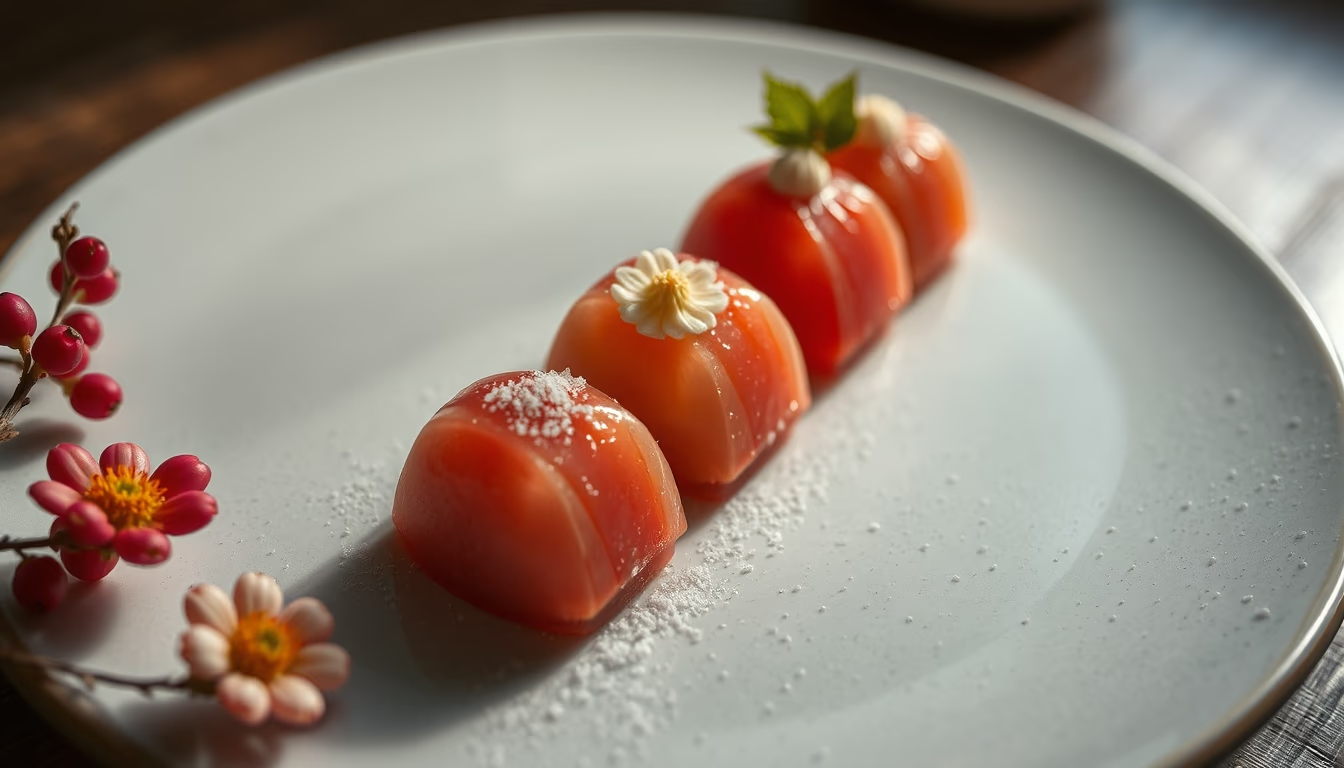
Wagashi are traditional Japanese sweets served with tea, with seasonal varieties that reflect the time of year, ingredients, and occasions.
About this subject
Wagashi are traditional Japanese confections dating back to the Heian period (794-1185), originally eaten as snacks during tea ceremonies. The term "wagashi" means "Japanese sweets" and distinguishes them from Western-style confections (yōgashi). Each piece is handcrafted, emphasizing texture, color, and shape, often mimicking natural elements such as flowers, fruits, or leaves.
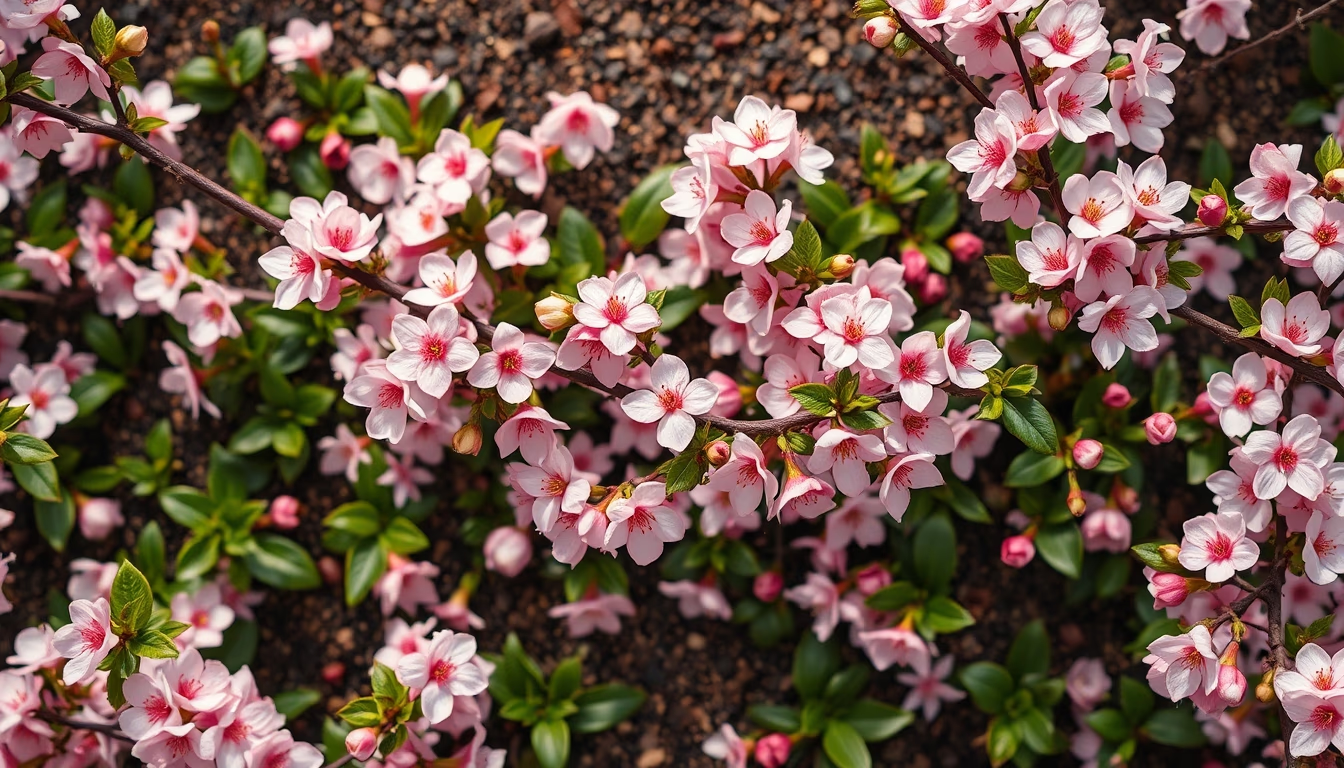
Seasonality is a key aspect of wagashi. In spring, sakura-mochi (rice cake filled with sweet bean paste and wrapped in a cherry leaf) and hanami-dango (colored dumplings) are common. Summer brings kuzukiri (kuzu starch noodles served with brown sugar syrup) and suama (bean jelly). Autumn features kuri-kinton (chestnut paste) and momiji-manjū (bun in the shape of a maple leaf). Winter favorites include zōni (mochi soup) and yokan (bean jelly).
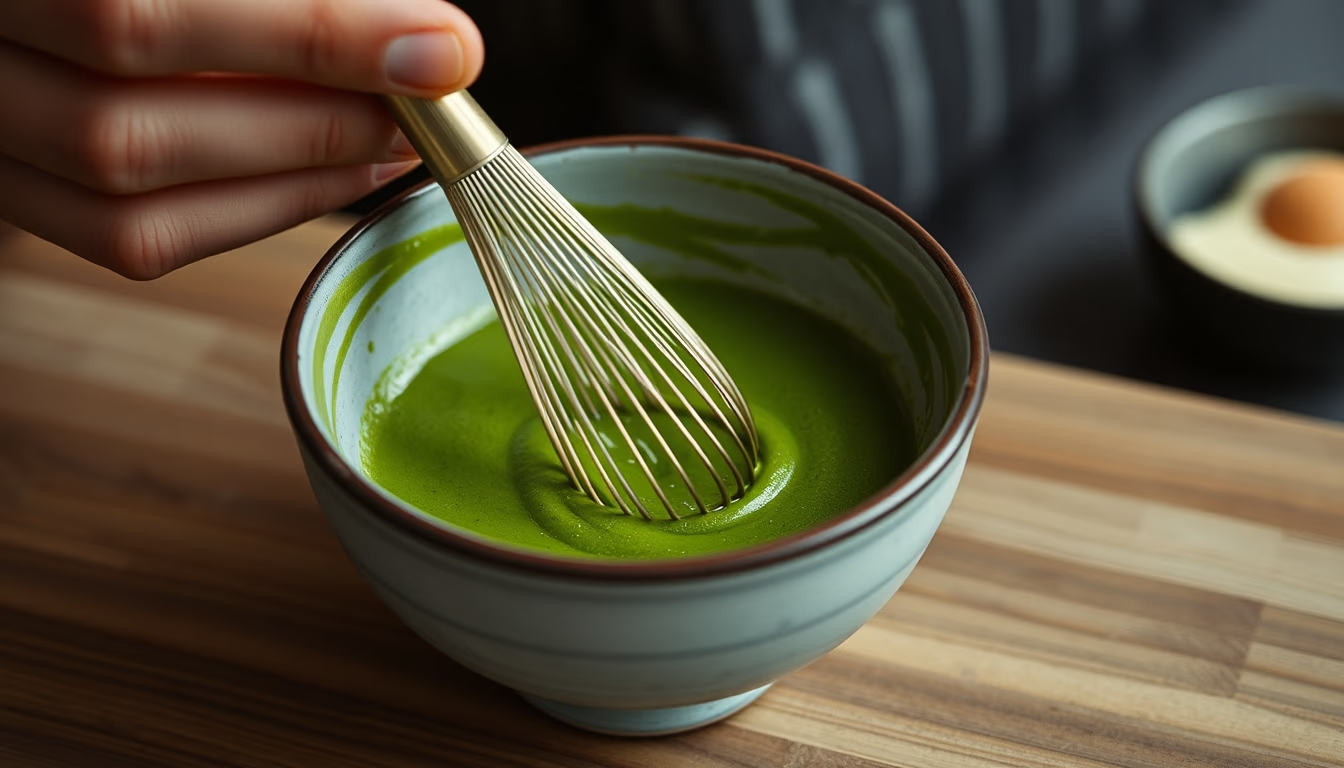
Main ingredients include glutinous rice (mochi), adzuki beans (for sweet anko paste), agar (kanten), sugar, and matcha (green tea powder). Preparation requires precise knowledge of moisture, temperature, and technique. Many wagashi are served during chanoyu (tea ceremony) to balance the bitterness of matcha. Beyond taste, aesthetics are crucial: the color, shape, and name of a seasonal piece tell a story or evoke a poem.
Today, wagashi is recognized as an Intangible Cultural Heritage of Japan, but artisanal production faces challenges from modernization. However, new generations of confectioners innovate with contemporary flavors while maintaining seasonal traditions. Wagashi consumption extends beyond tea ceremonies; they are popular gifts during festivals and commemorative dates like New Year or Children's Day.
Frequently Asked Questions
How is wagashi different from Western sweets?
Wagashi are made primarily from plant-based ingredients such as rice, adzuki beans, agar, and sugar, without dairy or eggs. Their seasonal aesthetics and connection to the tea ceremony are also distinctive.
What are the most common seasonal wagashi varieties?
In spring, sakura-mochi and hanami-dango. In summer, kuzukiri and suama. In autumn, kuri-kinton and momiji-manjū. In winter, zōni and yokan.
Where can I find authentic wagashi?
At specialized confectionery shops (wagashiya) in Japan, often near temples or tea gardens. In Brazil, Japanese stores in neighborhoods like Liberdade (SP) or immigration centers may sell them.
Direct URL
https://pub-c7d6a6ea828543ac903a74a341ccb2e1.r2.dev/imagens/wagashi-sweets-seasonal-fine-art-photography-fresh9.avifHow to credit
Include a visible link back to UtilizAí. Copy one of the snippets below:
<a href="https://xn--utiliza-eza.com/en/midia/imagens/wagashi-sweets-seasonal-fine-art-photography-fresh9">Wagashi sweets seasonal</a> by <a href="https://xn--utiliza-eza.com">UtilizAí</a>, licensed under <a href="https://creativecommons.org/licenses/by/4.0/">CC BY 4.0</a>.
[Wagashi sweets seasonal](https://xn--utiliza-eza.com/en/midia/imagens/wagashi-sweets-seasonal-fine-art-photography-fresh9) by [UtilizAí](https://xn--utiliza-eza.com), CC BY 4.0
License: CC-BY-4.0