Wagashi sweets seasonal
1344×768 · AVIF · CC BY 4.0
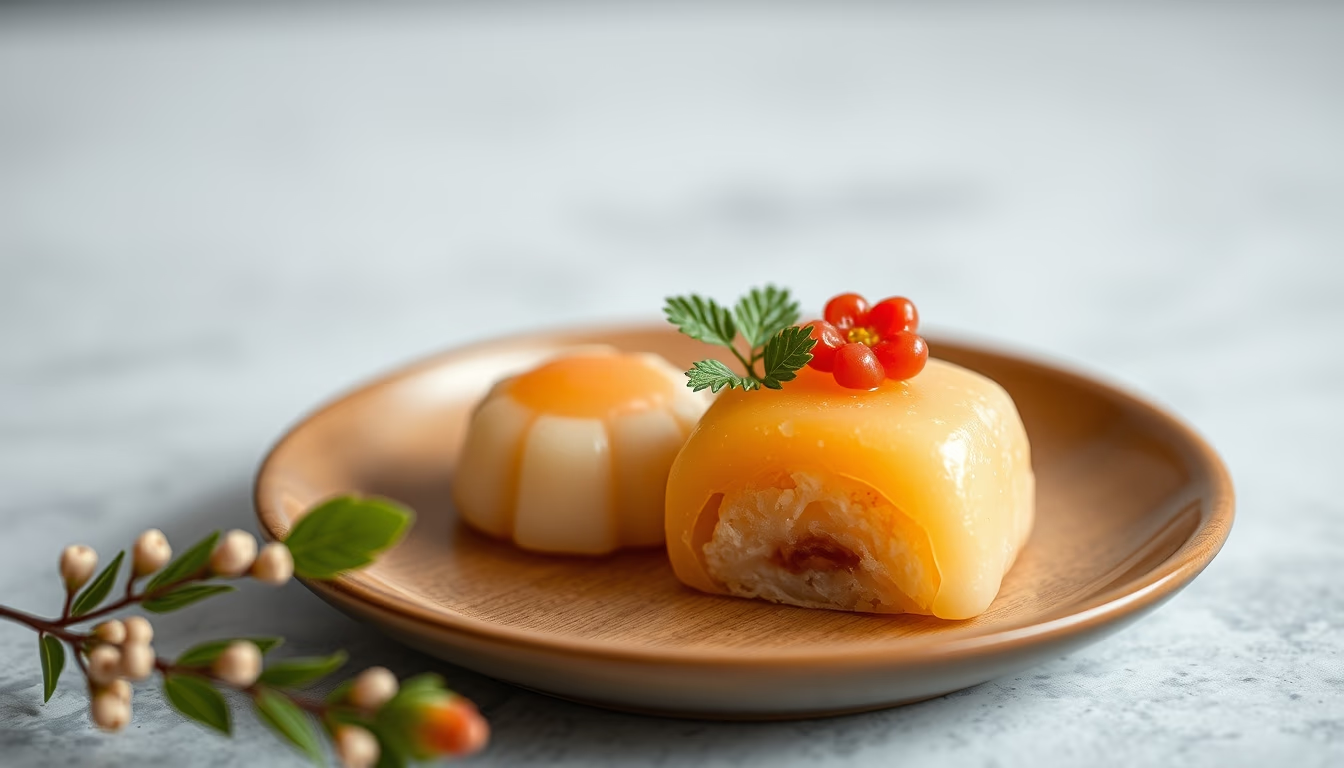
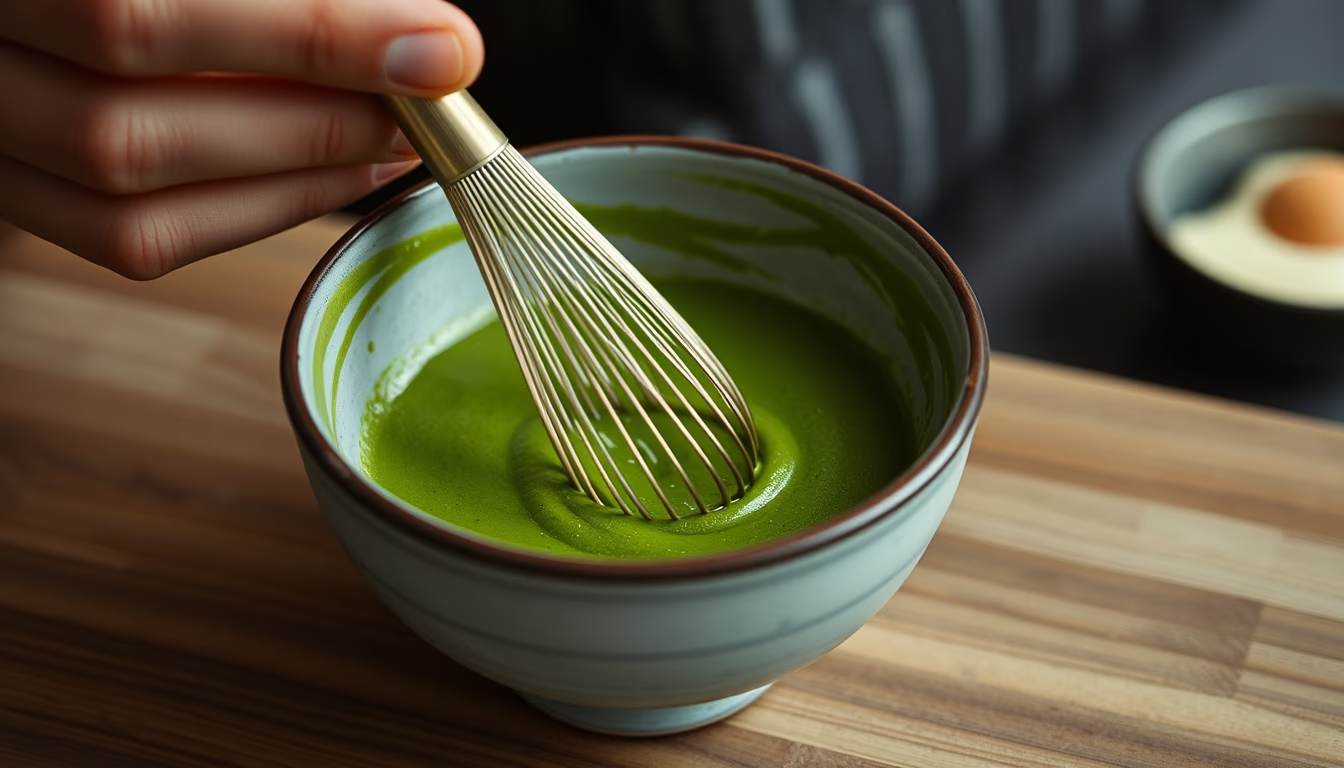
Wagashi are traditional Japanese sweets that change with the seasons, served in tea ceremonies to balance the bitter flavor of matcha.
About this subject
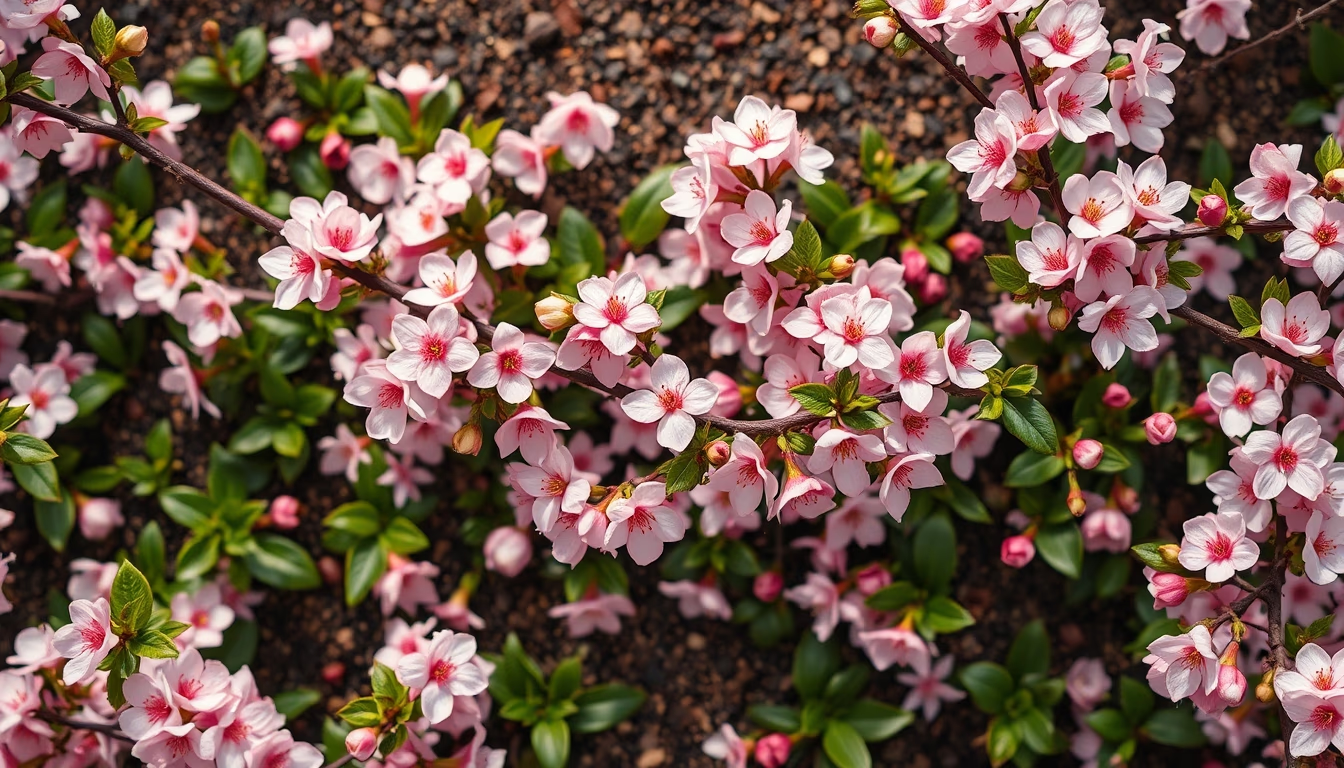
Wagashi, traditional Japanese confections, are deeply connected to the seasons. In tea ceremonies, they are served before matcha to prepare the palate, with flavors and shapes reflecting nature: sakura in spring, maple leaves in autumn. These sweets are made mainly from plant-based ingredients like glutinous rice, azuki beans, and agar-agar, without dairy or eggs. Classic examples include mochi, rice cakes filled with anko (sweet bean paste), and nerikiri, a white bean paste molded into seasonal shapes.
The art of wagashi, known as wagashi-zaiku, requires years of training. Each piece is hand-sculpted to represent elements such as flowers, fruits, or animals, using natural dyes. During the tea ceremony, wagashi is served on a special plate and enjoyed with a gesture of respect. The sweetness of wagashi enhances the bitterness of matcha, creating a sensory balance.
Historically, wagashi were influenced by Chinese confections but evolved in Japan during the Edo period. Seasonality is so important that specific wagashi exist for each month of the lunar calendar. For example, in January, pine and bamboo-shaped sweets are served to celebrate the New Year. Beyond tea ceremonies, wagashi are consumed at festivals and as daily desserts. Their artisanal production remains highly valued in Japan, with centuries-old shops passing down recipes through generations.
Frequently Asked Questions
What is the difference between wagashi and other Japanese sweets like dorayaki?
Wagashi are traditionally served in tea ceremonies and emphasize seasonal, natural ingredients. Dorayaki is a type of wagashi but is usually more casual and filled with anko.
Are wagashi vegan?
Many wagashi are vegan as they use only plant-based ingredients like beans and rice. However, some may contain honey or animal gelatin, so it is important to check each type.
How should wagashi be stored?
Fresh wagashi should be consumed the same day. Dry varieties, like manju, can last a few days in a cool, airy place away from sunlight.
Direct URL
https://pub-c7d6a6ea828543ac903a74a341ccb2e1.r2.dev/imagens/wagashi-sweets-seasonal-documentary-nature-style-fresh12.avifHow to credit
Include a visible link back to UtilizAí. Copy one of the snippets below:
<a href="https://xn--utiliza-eza.com/en/midia/imagens/wagashi-sweets-seasonal-documentary-nature-style-fresh12">Wagashi sweets seasonal</a> by <a href="https://xn--utiliza-eza.com">UtilizAí</a>, licensed under <a href="https://creativecommons.org/licenses/by/4.0/">CC BY 4.0</a>.
[Wagashi sweets seasonal](https://xn--utiliza-eza.com/en/midia/imagens/wagashi-sweets-seasonal-documentary-nature-style-fresh12) by [UtilizAí](https://xn--utiliza-eza.com), CC BY 4.0
License: CC-BY-4.0