View camera bellows
1344×768 · AVIF · CC BY 4.0
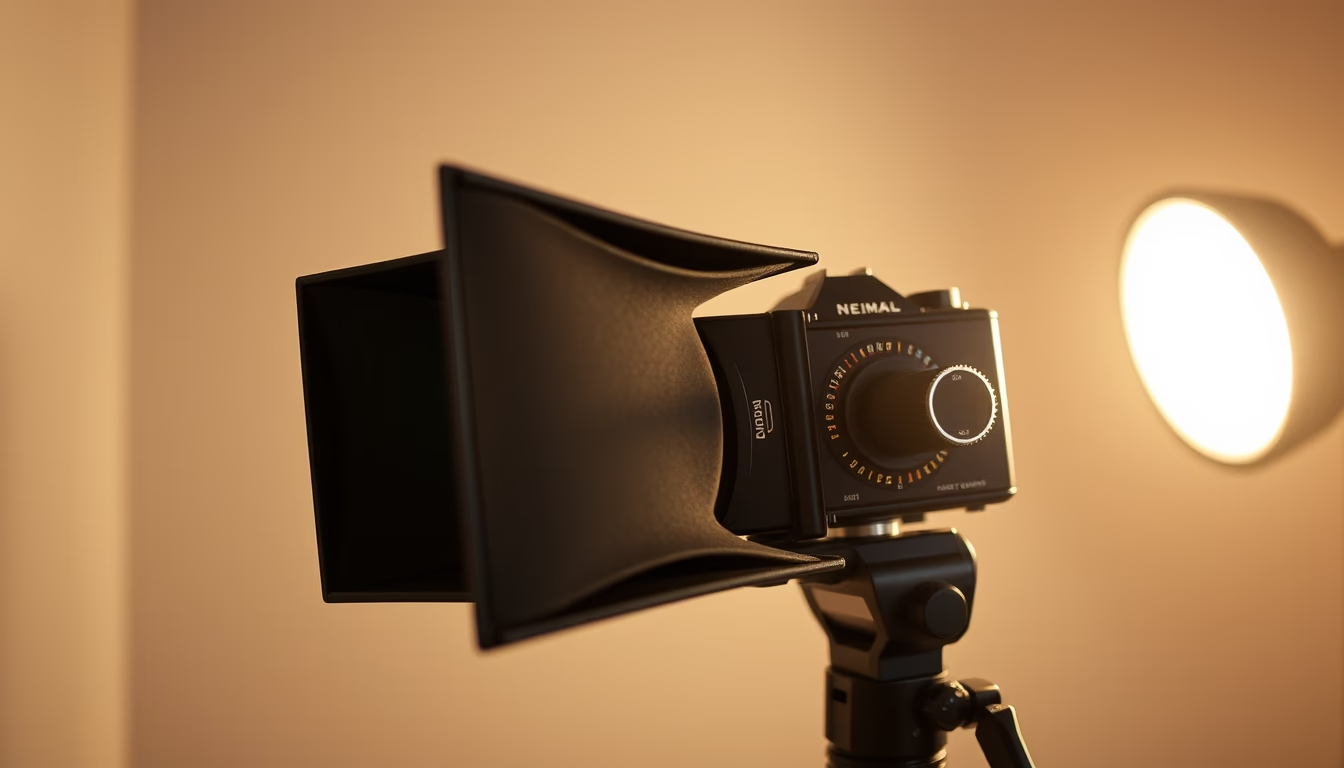
Bellows of a view camera, an accordion-like structure enabling perspective control and precise focus in large format photography.
About this subject
The bellows of a view camera connect the front standard (holding the lens) to the rear standard (holding the film or digital back). Made from leather, rubber, or coated synthetic fabric, these bellows are light-tight and highly flexible, allowing the photographer to move the standards independently. This flexibility enables movements such as tilt, shift, rise/fall, and swing. These adjustments are crucial for controlling perspective and depth of field, especially in architectural, still-life, and fine art photography.
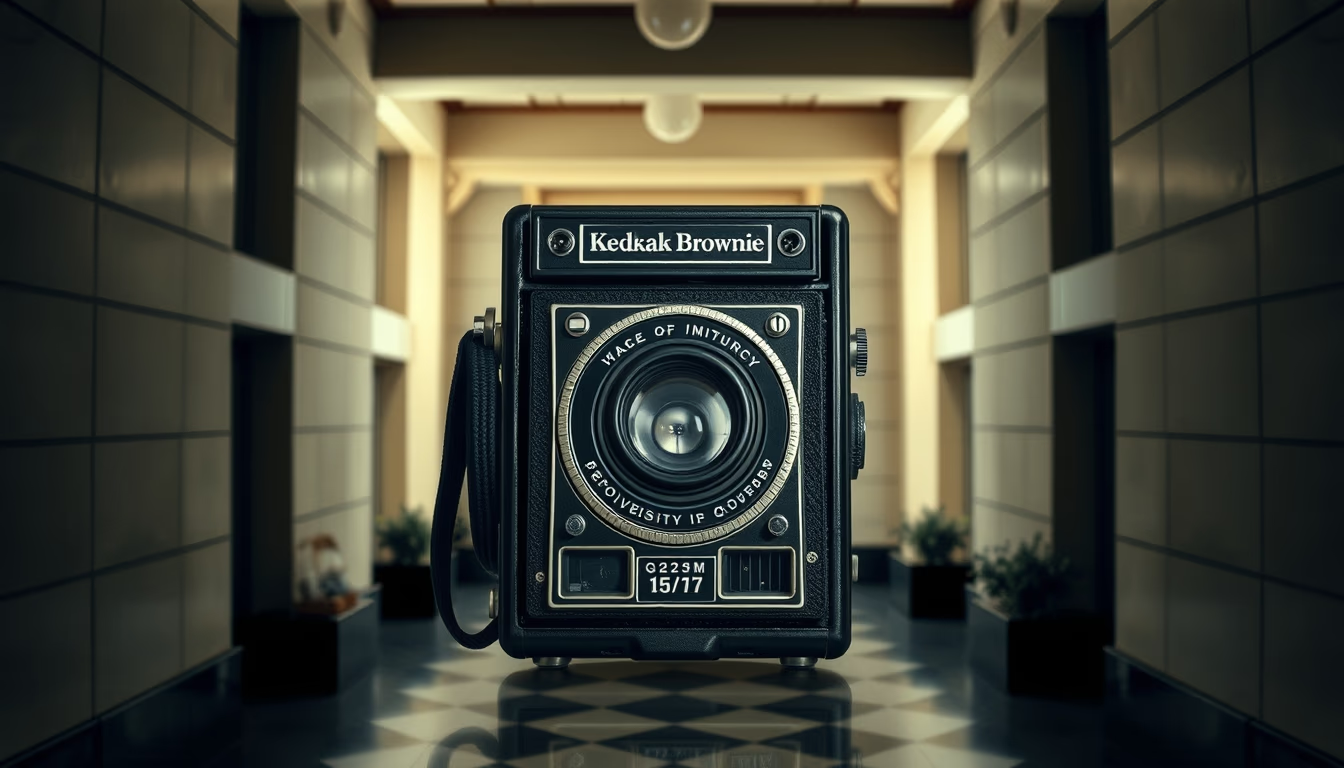
Bellows date back to the 19th century, with early plate cameras. The collapsible bellows made bulky cameras portable, exemplified by the 1888 Kodak No. 1. However, large format cameras with double or triple bellows became the norm for technical and artistic work. The Scheimpflug principle, which describes tilting the lens or film plane to extend depth of field, is precisely implemented using these bellows.
In practice, bellows must be maintained: any tear or pinhole compromises light-tightness, causing film fogging. Studio photographers still favor large format bellows cameras like Sinar, Linhof, or Toyo, as they offer creative control impossible in smaller formats. Even in the digital age, bellows adapters are used with medium-format sensors for macro photography and document reproduction, demonstrating the enduring versatility of this classic design.
Interestingly, the word "bellows" comes from Old English belg, related to blowing, due to resemblance to blacksmith bellows. This etymological heritage reflects the expand-and-contract function that defines the accessory.
Frequently Asked Questions
How do bellows on a view camera work?
Bellows connect the front and rear standards, allowing movements like tilt, shift, and swing. They are flexible and light-tight, enabling precise perspective and focus adjustments without moving the entire camera.
Why are bellows important for architectural photography?
They allow correction of converging vertical lines (keystone effect) using rise/fall and shift movements. This keeps lines parallel in the image, a challenge with regular cameras.
What material are camera bellows made of?
Traditionally leather, but modern bellows use rubber, nylon, or coated polyester. They are lightweight, durable, and UV-resistant, maintaining flexibility across temperatures.
Direct URL
https://pub-c7d6a6ea828543ac903a74a341ccb2e1.r2.dev/imagens/view-camera-bellows-studio-still-life-fresh0.avifHow to credit
Include a visible link back to UtilizAí. Copy one of the snippets below:
<a href="https://xn--utiliza-eza.com/en/midia/imagens/view-camera-bellows-studio-still-life-fresh0">View camera bellows</a> by <a href="https://xn--utiliza-eza.com">UtilizAí</a>, licensed under <a href="https://creativecommons.org/licenses/by/4.0/">CC BY 4.0</a>.
[View camera bellows](https://xn--utiliza-eza.com/en/midia/imagens/view-camera-bellows-studio-still-life-fresh0) by [UtilizAí](https://xn--utiliza-eza.com), CC BY 4.0
License: CC-BY-4.0