View camera bellows
1344×768 · AVIF · CC BY 4.0
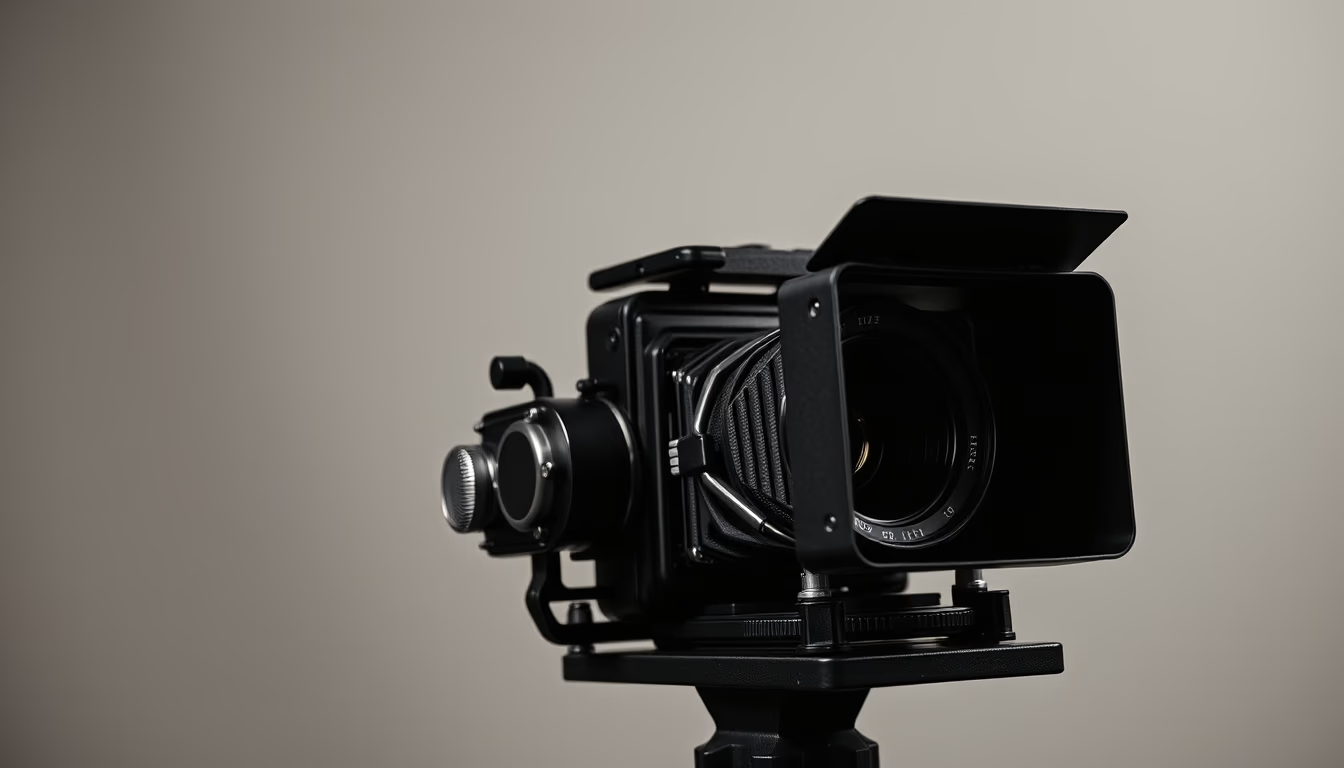
View camera bellows are essential components that enable precise tilt and shift movements, providing compositional flexibility in large format photography.
About this subject
View camera bellows, also known as large format camera bellows, are flexible structures connecting the front and rear standards, allowing movements such as tilt, shift, and swing. These adjustments are critical for controlling perspective, depth of field, and sharpness across specific planes, a capability not possible with medium or small format cameras.
Traditionally made from leather, modern bellows use materials like coated polyester, neoprene, or light-proof fabric. The choice of material affects durability and flexibility, especially in extreme weather. Leather bellows are more robust but can dry out and crack over time, while synthetic ones offer lightweight and resistance to mold.
The bellows length determines the camera's maximum extension, ranging from compact 12-inch models to field cameras reaching 24 inches or more. Full compression capacity is also important for portability. Damaged bellows can cause light leaks, ruining exposures. Large format photographers regularly inspect and replace bellows as needed.
Historically, bellows were a key innovation in view camera development, enabling the use of various focal length lenses and architectural correction movements. Today, large format cameras with bellows remain essential in architecture, landscape, and art reproduction photography where precise image control is paramount.
Frequently Asked Questions
What materials are view camera bellows made of?
Bellows can be made from leather, coated polyester, neoprene, or light-proof fabric. Leather is durable, while synthetics are lightweight and resistant to mold.
How do I know if my camera bellows need replacement?
Signs include cracks, holes, delamination, or visible light leaks. A simple test is to expose film with the lens capped and develop it to check for light spots.
Do bellows affect image quality?
Yes, damaged bellows cause light leaks, reducing contrast and causing overexposed areas. Stiff bellows may restrict movements, affecting focus and perspective control.
Direct URL
https://pub-c7d6a6ea828543ac903a74a341ccb2e1.r2.dev/imagens/view-camera-bellows-rembrandt-lighting-dramatic-shadows-fresh5.avifHow to credit
Include a visible link back to UtilizAí. Copy one of the snippets below:
<a href="https://xn--utiliza-eza.com/en/midia/imagens/view-camera-bellows-rembrandt-lighting-dramatic-shadows-fresh5">View camera bellows</a> by <a href="https://xn--utiliza-eza.com">UtilizAí</a>, licensed under <a href="https://creativecommons.org/licenses/by/4.0/">CC BY 4.0</a>.
[View camera bellows](https://xn--utiliza-eza.com/en/midia/imagens/view-camera-bellows-rembrandt-lighting-dramatic-shadows-fresh5) by [UtilizAí](https://xn--utiliza-eza.com), CC BY 4.0
License: CC-BY-4.0