Venice grand canal
1344×768 · AVIF · CC BY 4.0
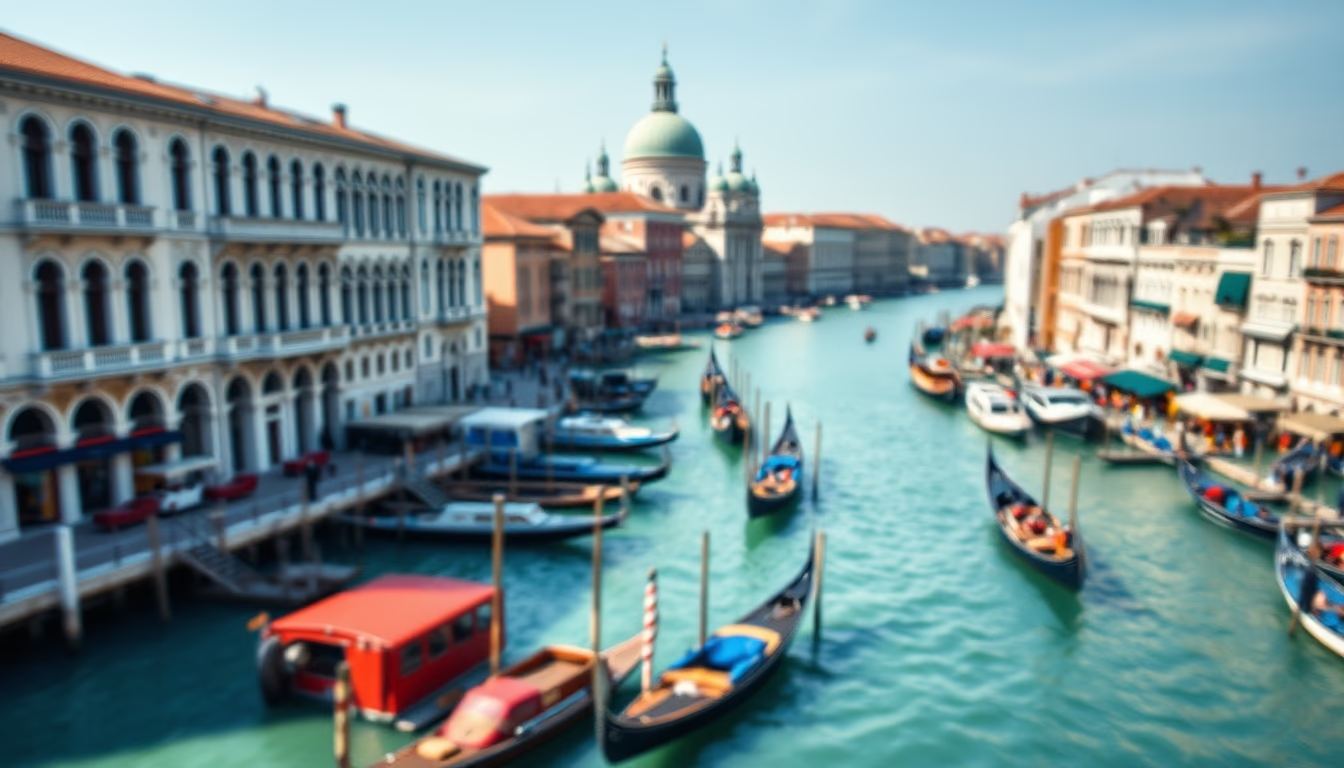
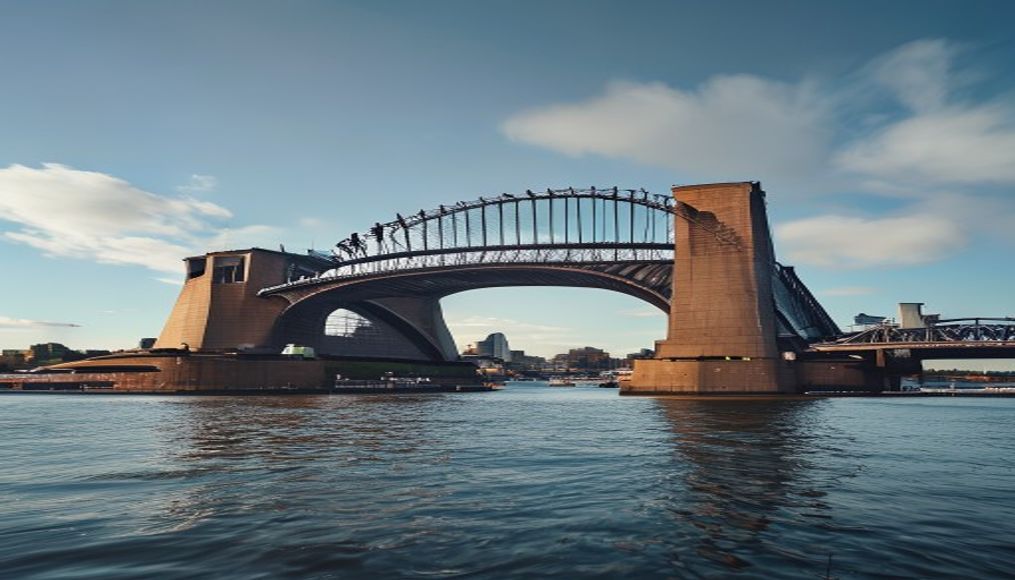
The Grand Canal of Venice is the city's main waterway, stretching 3.8 km, lined with historic palaces and iconic bridges like the Rialto Bridge.
About this subject
The Grand Canal of Venice, known locally as Canalazzo, is the main waterway of the city, cutting through it in an inverted S shape. Approximately 3.8 km long with an average depth of 5 meters, it divides Venice into six sestieri (districts). Its banks are lined with over 170 palaces, churches, and historic buildings, many dating from the 13th to 18th centuries, showcasing architectural styles such as Gothic, Byzantine, and Renaissance. Four bridges cross the canal: the Rialto Bridge, the Accademia Bridge, the Scalzi Bridge, and the Constitution Bridge. The Rialto Bridge, built in stone in the 16th century, is the oldest and most famous, serving as both a commercial and tourist landmark.
Historically, the Grand Canal was the 'main street' of the Serene Republic of Venice, where merchants transported spices, silk, and other goods between the East and Europe. The facades of the palaces, appearing to float on water, were designed to impress visitors and display the wealth of Venetian nobility. Today, the canal is traversed by gondolas, vaporettos (water buses), and water taxis, keeping the tradition of water transport alive. Each year, millions of tourists sail the canal to admire monuments such as the Basilica of Santa Maria della Salute and the Ca' d'Oro Palace.
Interestingly, the Grand Canal is not just a postcard; it plays a crucial role in Venice's drainage system. The canal bed is lined with a layer of clay and sediments, and its depth is maintained through periodic dredging to allow navigation. Tides, especially during acqua alta (high water), can flood adjacent walkways, a phenomenon challenging the city's preservation. UNESCO and local governments work on protection projects, such as the MOSE system, to mitigate the effects of climate change.
Even as one of the most photographed waterways in the world, the Grand Canal holds secrets: there are palaces housing lesser-known museums, such as Palazzo Grimani, and small churches like San Samuele, which reveal the city's religious history. The blend of art, commerce, and daily life makes the canal a living testimony to Venice's glorious past, where each building tells part of the story of one of Europe's most powerful maritime republics.
Frequently Asked Questions
How long is the Grand Canal of Venice?
The Grand Canal is approximately 3.8 km long, with an average depth of 5 meters, cutting through the city in an inverted S shape.
How many bridges cross the Grand Canal and which is the most famous?
Four bridges cross the canal: Rialto Bridge, Accademia Bridge, Scalzi Bridge, and Constitution Bridge. The most famous is the Rialto Bridge, built in the 16th century.
What causes high water (acqua alta) in Venice and how does it affect the Grand Canal?
Acqua alta is caused by exceptional tides, winds, and climate change. It floods the walkways along the canal and challenges the city's preservation, countered by systems such as MOSE.
Direct URL
https://pub-c7d6a6ea828543ac903a74a341ccb2e1.r2.dev/imagens/venice-grand-canal-tilt-shift-miniature-p2.avifHow to credit
Include a visible link back to UtilizAí. Copy one of the snippets below:
<a href="https://xn--utiliza-eza.com/en/midia/imagens/venice-grand-canal-tilt-shift-miniature-p2">Venice grand canal</a> by <a href="https://xn--utiliza-eza.com">UtilizAí</a>, licensed under <a href="https://creativecommons.org/licenses/by/4.0/">CC BY 4.0</a>.
[Venice grand canal](https://xn--utiliza-eza.com/en/midia/imagens/venice-grand-canal-tilt-shift-miniature-p2) by [UtilizAí](https://xn--utiliza-eza.com), CC BY 4.0
License: CC-BY-4.0