Venice grand canal
1344×768 · AVIF · CC BY 4.0
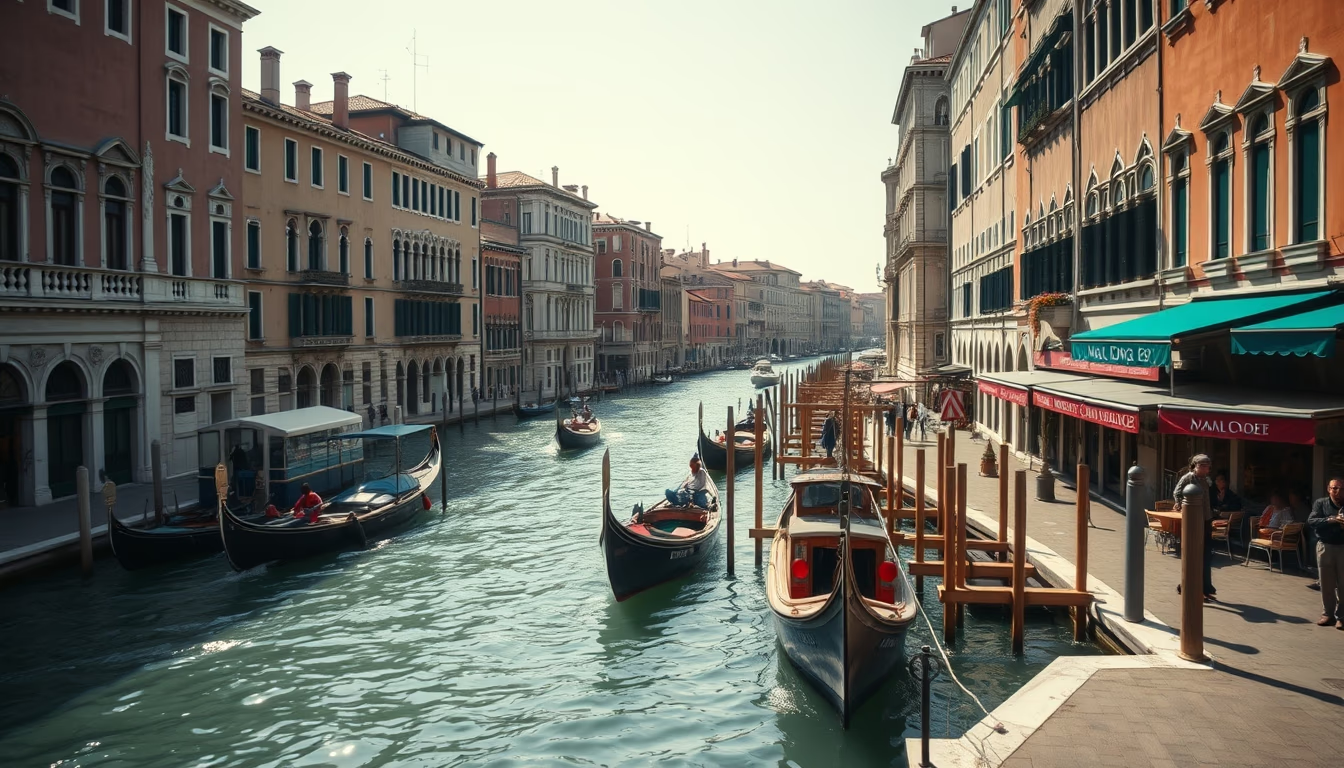
The Grand Canal of Venice is the city's main waterway, a 3.8 km historic axis slicing through the center and revealing centuries of architecture and trade.
About this subject
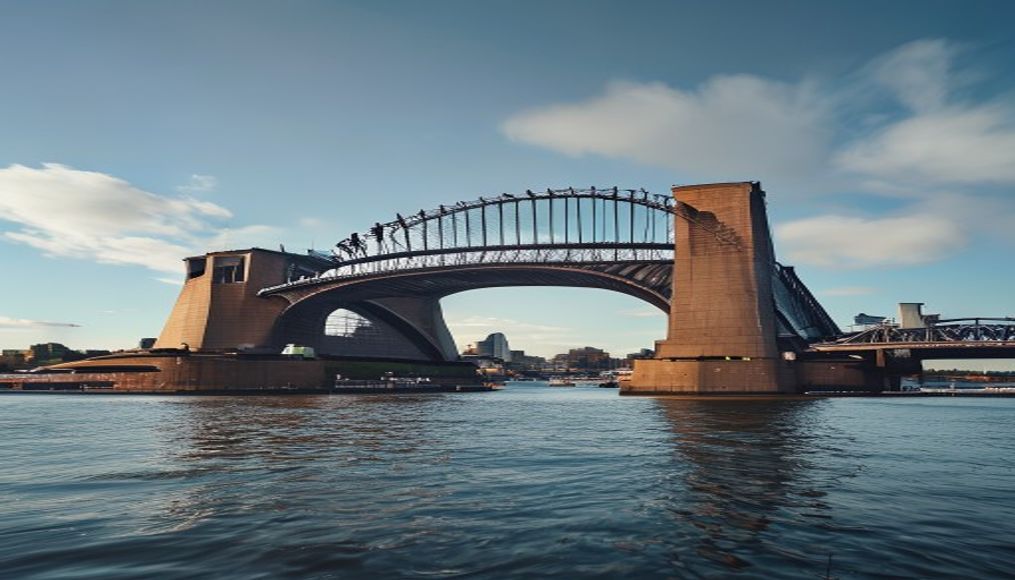
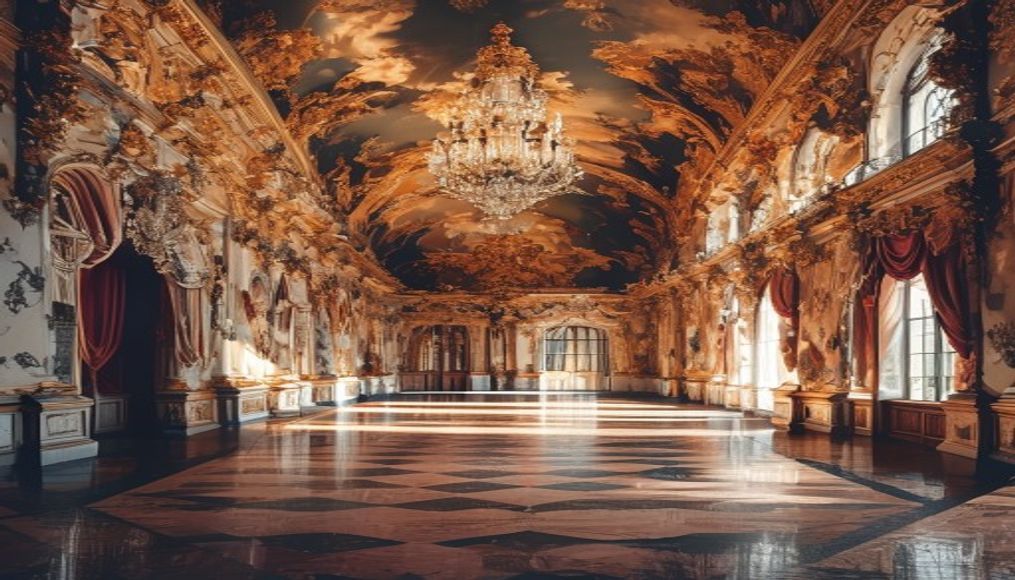
The Grand Canal of Venice, known in Italian as Canal Grande, is the city's most important waterway, winding in an inverted S shape for about 3.8 kilometers. It connects the Santa Lucia railway station in the north to the Saint Mark's Basin in the south, cutting through the historic center. Its banks are lined with over 170 palaces, churches, and historic buildings, many dating from the 13th to the 18th centuries, displaying styles from Venetian Gothic to Baroque and Renaissance. The canal is a living testament to the economic and cultural power of the Republic of Venice, which dominated Mediterranean maritime trade for centuries. Four bridges span the canal: the Rialto Bridge, the oldest and most famous; the Accademia Bridge; the Scalzi Bridge; and the modern Constitution Bridge. The Rialto area was the commercial heart of the city, with its market and financial activities already in the 11th century. Transportation on the canal includes gondolas, vaporettos (water buses), and private boats. Gondolas are iconic but now mainly used for tourists, while vaporettos serve as regular public transit. The phenomenon of acqua alta, exceptionally high tides that flood the city, often affects the Grand Canal, temporarily altering its level and requiring adaptations such as elevated walkways. The canal is constantly monitored to preserve its heritage and mitigate the effects of climate change.
Frequently Asked Questions
How long does it take to travel the Grand Canal by gondola?
A gondola ride along the Grand Canal typically lasts 30 to 45 minutes, but the full trip from end to end can take up to 1 hour, depending on traffic and the gondolier's pace.
What is the average depth of the Grand Canal in Venice?
The average depth of the Grand Canal is about 5 meters, but it varies along the route, reaching up to 17 meters in some areas near Saint Mark's Basin.
Why does the Grand Canal have an S shape?
The inverted S shape of the canal follows the ancient bed of a river that drained the lagoon. This natural course was preserved and deepened over centuries to facilitate navigation and tidal flow.
Direct URL
https://pub-c7d6a6ea828543ac903a74a341ccb2e1.r2.dev/imagens/venice-grand-canal-magazine-editorial-p10.avifHow to credit
Include a visible link back to UtilizAí. Copy one of the snippets below:
<a href="https://xn--utiliza-eza.com/en/midia/imagens/venice-grand-canal-magazine-editorial-p10">Venice grand canal</a> by <a href="https://xn--utiliza-eza.com">UtilizAí</a>, licensed under <a href="https://creativecommons.org/licenses/by/4.0/">CC BY 4.0</a>.
[Venice grand canal](https://xn--utiliza-eza.com/en/midia/imagens/venice-grand-canal-magazine-editorial-p10) by [UtilizAí](https://xn--utiliza-eza.com), CC BY 4.0
License: CC-BY-4.0