Ukulele hawaiian wood
1344×768 · AVIF · CC BY 4.0
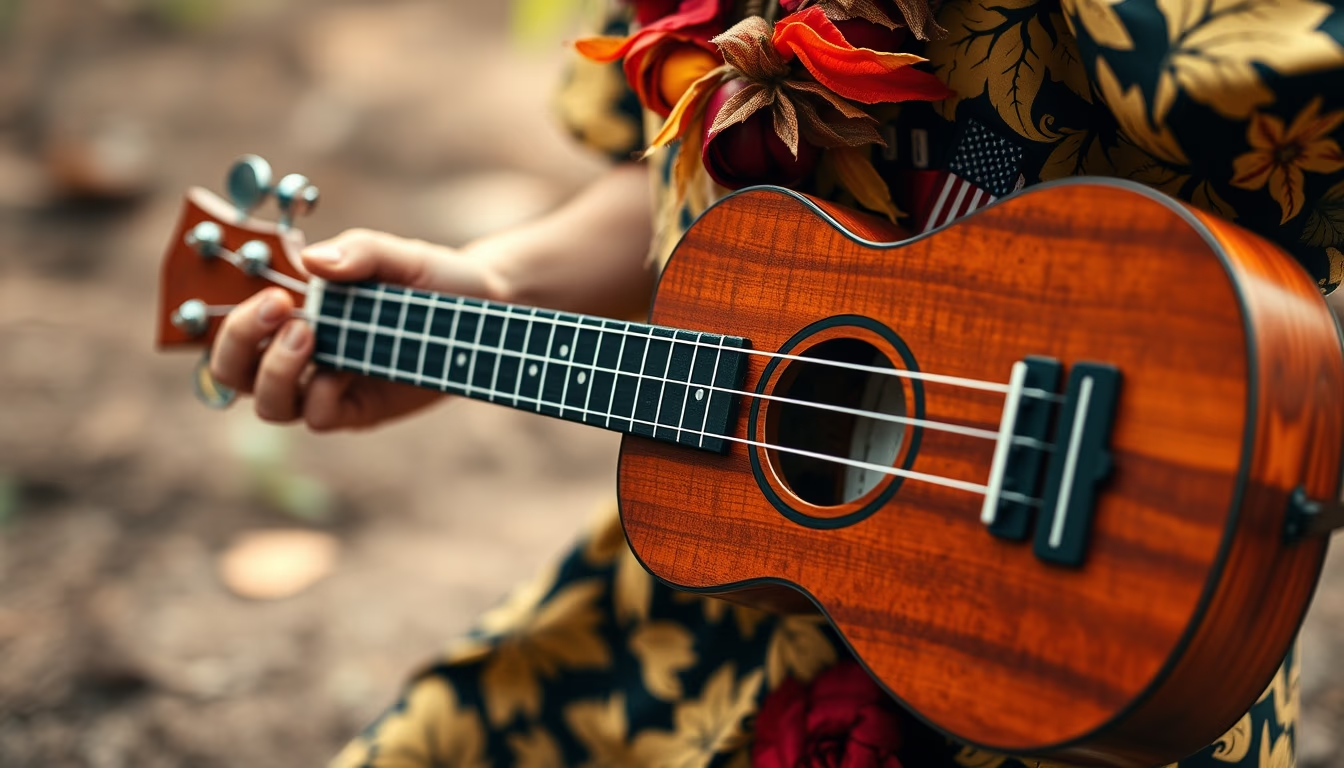
The Hawaiian ukulele made from native wood like koa is a cultural icon of Hawaii, valued for its warm and gentle tone.
About this subject
The ukulele is a stringed instrument that originated in Hawaii in the 19th century, derived from the Portuguese machete (a small guitar-like instrument) brought by Madeiran immigrants. Traditional construction relies on native Hawaiian woods, most notably koa (Acacia koa), an endemic tree species. Koa is prized for its medium density, fine grain, and color ranging from light brown to reddish, yielding a balanced tone with soft projection and a long sustain. Other woods such as mango and milo are also used, especially in entry-level or specialty ukuleles.
The standard ukulele size is soprano, but variations include concert, tenor, and baritone, each with different pitch ranges and volumes. Wood selection directly affects sound: koa produces a warm, full-bodied tone ideal for chords and melodies typical of Hawaiian music. Beyond acoustic properties, koa holds cultural and ecological significance, being a protected species in Hawaii, which makes handcrafted koa ukuleles valuable items of local artistry.
The ukulele's global popularity surged in the 20th century, boosted by artists like Israel Kamakawiwoʻole, whose rendition of “Somewhere Over the Rainbow” cemented the instrument's sound. In Brazil, the ukulele gained traction from the 2000s onward, with choro and MPB groups adapting it to Brazilian rhythms. Ukulele building with Hawaiian woods follows traditional techniques: hand carving, one-piece top and back gluing, and finishing with nitrocellulose or acrylic lacquer to highlight the wood grain.
Trivia: koa is so valued that since 2010, the state of Hawaii has regulated its harvest for conservation. Local luthiers often select logs with figure patterns known as “curl” or “flame,” which create three-dimensional visual effects in the finish. Such pieces are rare, raising the price of a custom koa ukulele to thousands of dollars.
Frequently Asked Questions
What is the difference between a koa ukulele and one made of other woods?
A koa ukulele has a balanced tone with pronounced mids and long sustain, ideal for Hawaiian music. Mahogany or nato produce a fuller sound, while spruce offers higher projection. Koa is scarcer and more expensive due to environmental protection.
How did the ukulele become popular in Brazil?
The ukulele gained traction in Brazil mainly from the 2000s onward, as choro and MPB musicians adopted it. Its ease of learning and cheerful sound contributed to its spread in music groups and online tutorials.
What does 'curl' mean in koa wood grain?
'Curl' or 'flame' describes a three-dimensional pattern in koa grain caused by irregular tree growth. This figure is highly prized by luthiers and collectors, making the ukulele rarer and more expensive.
Direct URL
https://pub-c7d6a6ea828543ac903a74a341ccb2e1.r2.dev/imagens/ukulele-hawaiian-wood-national-geographic-style-p9.avifHow to credit
Include a visible link back to UtilizAí. Copy one of the snippets below:
<a href="https://xn--utiliza-eza.com/en/midia/imagens/ukulele-hawaiian-wood-national-geographic-style-p9">Ukulele hawaiian wood</a> by <a href="https://xn--utiliza-eza.com">UtilizAí</a>, licensed under <a href="https://creativecommons.org/licenses/by/4.0/">CC BY 4.0</a>.
[Ukulele hawaiian wood](https://xn--utiliza-eza.com/en/midia/imagens/ukulele-hawaiian-wood-national-geographic-style-p9) by [UtilizAí](https://xn--utiliza-eza.com), CC BY 4.0
License: CC-BY-4.0