Ukulele hawaiian wood
1344×768 · AVIF · CC BY 4.0

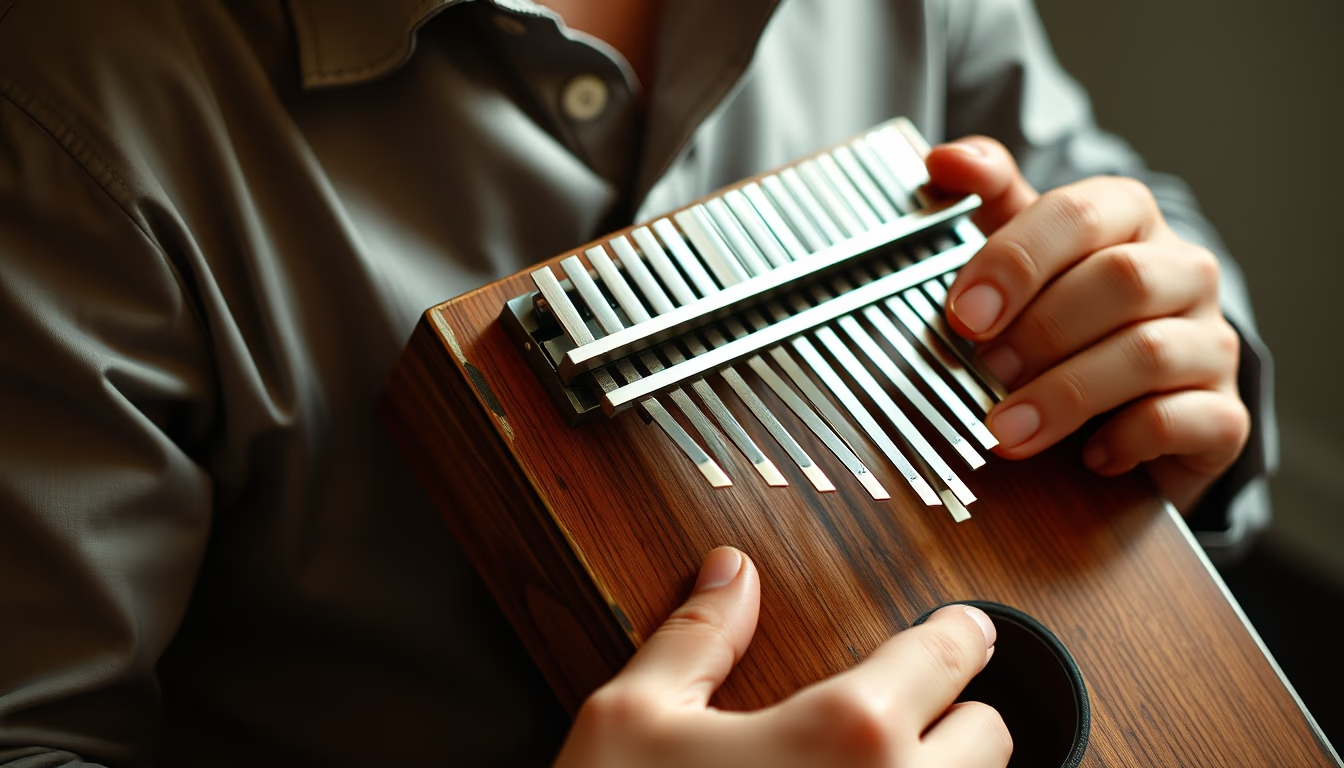
The Hawaiian wood ukulele, made from native species like koa, carries centuries of Polynesian musical tradition.
About this subject
The ukulele is a string instrument that originated in Hawaii in the late 19th century, derived from the Portuguese machete (cavaquinho) brought by immigrants from Madeira and the Azores. It quickly became a symbol of Hawaiian culture, used in hulas, traditional songs, and contemporary compositions. The wood most associated with the Hawaiian ukulele is koa, an endemic tree of the islands that provides a warm, full-bodied tone and a beautiful appearance with golden grain. Other native woods, such as mango and nato, are also used, but koa is considered the most noble.
Artisanal production of ukuleles in Hawaii involves luthiers who carefully select the wood, cut it into slices, and shape the body, neck, and fretboard. The process includes drying the wood for months to ensure acoustic stability. The Hawaiian wood ukulele is not just a musical instrument but a piece of art reflecting the islands' identity. Brands like Kamaka, founded in 1916, and KoAloha are world references in manufacturing these instruments, which can cost thousands of dollars.
The sound of the Hawaiian wood ukulele is distinctive, softer and sweeter than other types of ukulele, due to the specific density and resonance of koa. The instrument is tuned G-C-E-A, though variations exist. The ukulele gained global popularity through artists like Israel Kamakawiwoʻole, whose version of "Somewhere Over the Rainbow" became iconic. In pop culture, the ukulele is associated with a cheerful, relaxing sound, often used in soundtracks for movies set in Hawaii.
Fun facts: the koa tree is protected and its cutting is regulated, making the wood rare and expensive. Some modern ukuleles use reforested woods for sustainability. Besides koa, other exotic woods like Hawaiian mahogany (Akamai) are explored. The Hawaiian wood ukulele is a major souvenir from the archipelago, but its true essence transcends tourism, being a pillar of Polynesian cultural identity.
Frequently Asked Questions
What is the difference between a Hawaiian koa ukulele and one made from other woods?
Koa is a dense, resonant wood that produces a warm, full-bodied tone with prolonged sustain. More common woods like nato or mahogany may have brighter or less deep sounds. Besides timbre, koa has golden grain patterns that make each instrument unique.
Why is the ukulele so important to Hawaiian culture?
The ukulele was adopted by native Hawaiians shortly after its introduction and became integrated into traditional music, especially hula. It represents a fusion of Portuguese and Polynesian influences, and today is a national symbol of Hawaii, present in festivals, ceremonies, and tourism.
Is it true that koa wood is endangered?
Yes, the koa tree (Acacia koa) is endemic to Hawaii and historical deforestation reduced its abundance. Currently, cutting is regulated, and many luthiers use managed forest wood or reclaimed wood to preserve the species.
Direct URL
https://pub-c7d6a6ea828543ac903a74a341ccb2e1.r2.dev/imagens/ukulele-hawaiian-wood-high-fashion-editorial-p10.avifHow to credit
Include a visible link back to UtilizAí. Copy one of the snippets below:
<a href="https://xn--utiliza-eza.com/en/midia/imagens/ukulele-hawaiian-wood-high-fashion-editorial-p10">Ukulele hawaiian wood</a> by <a href="https://xn--utiliza-eza.com">UtilizAí</a>, licensed under <a href="https://creativecommons.org/licenses/by/4.0/">CC BY 4.0</a>.
[Ukulele hawaiian wood](https://xn--utiliza-eza.com/en/midia/imagens/ukulele-hawaiian-wood-high-fashion-editorial-p10) by [UtilizAí](https://xn--utiliza-eza.com), CC BY 4.0
License: CC-BY-4.0