Tuscany chianti hills
1344×768 · AVIF · CC BY 4.0
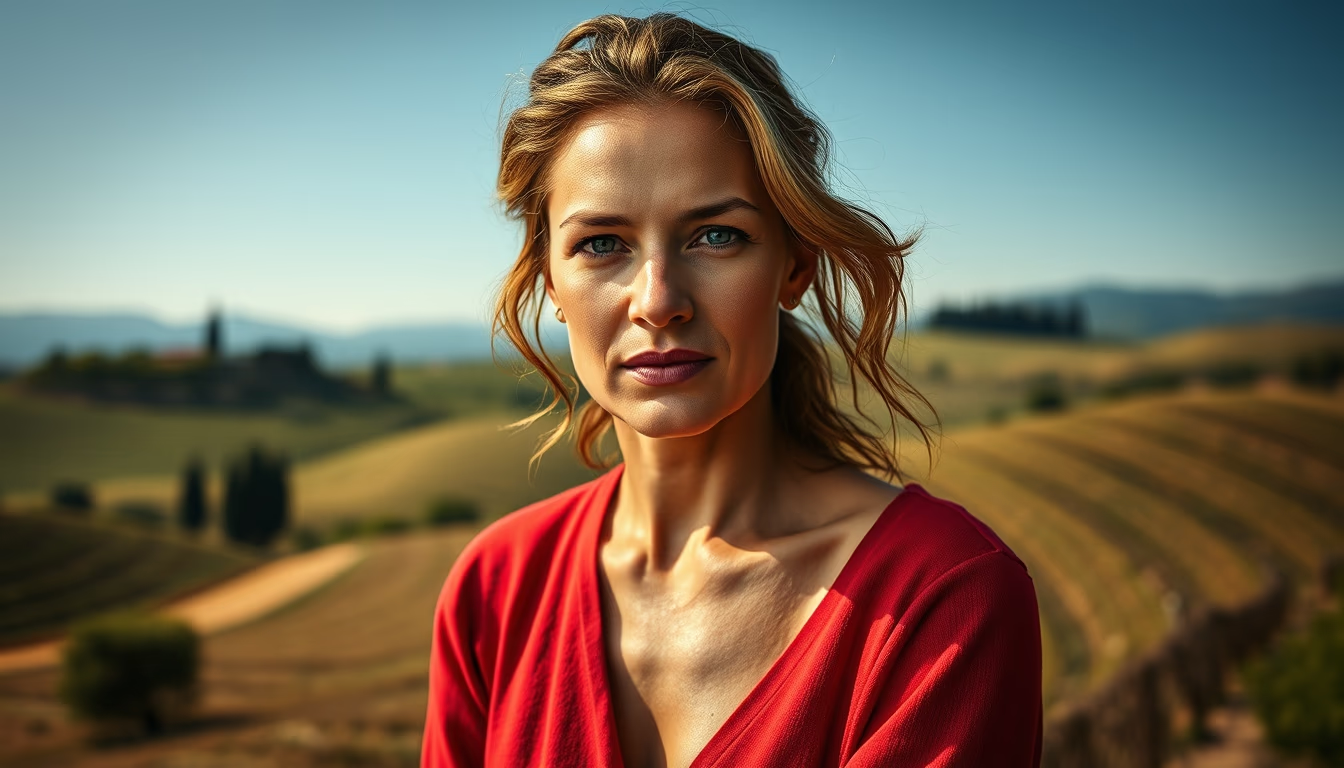
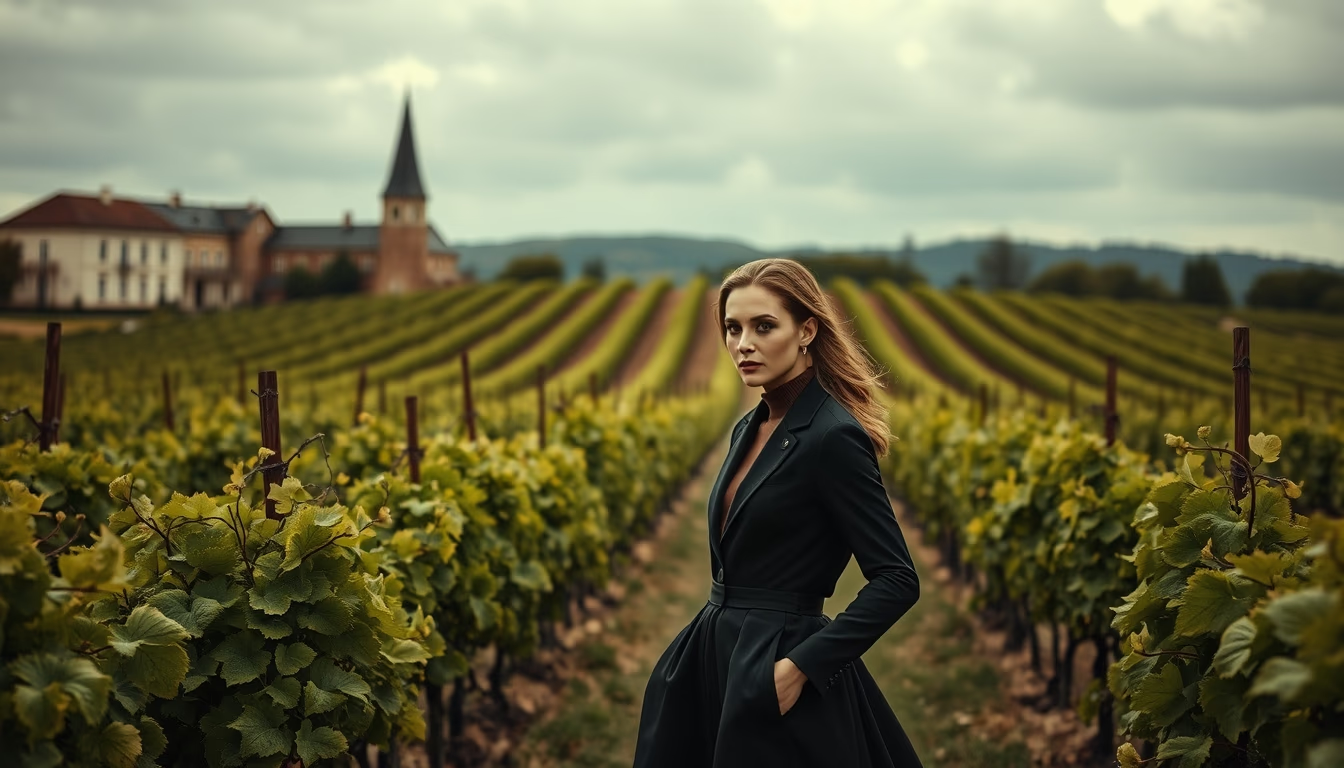
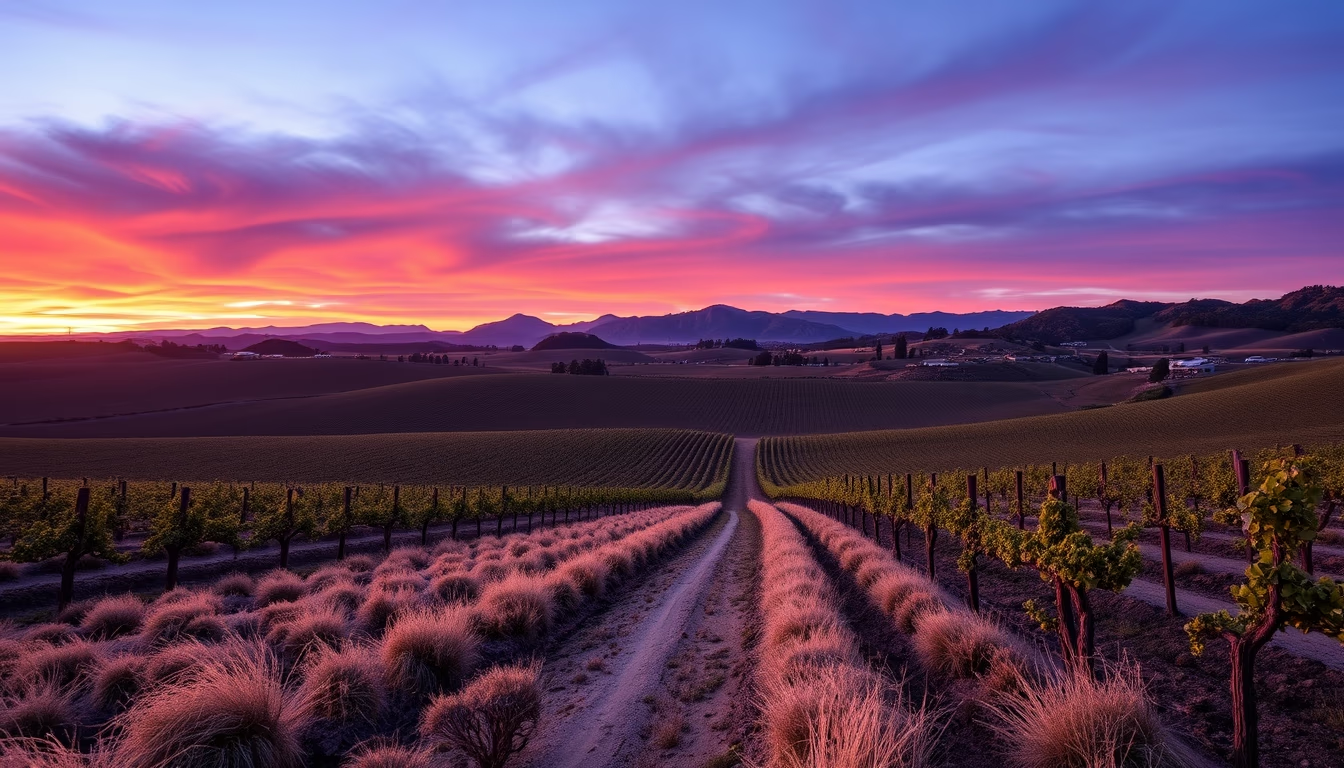
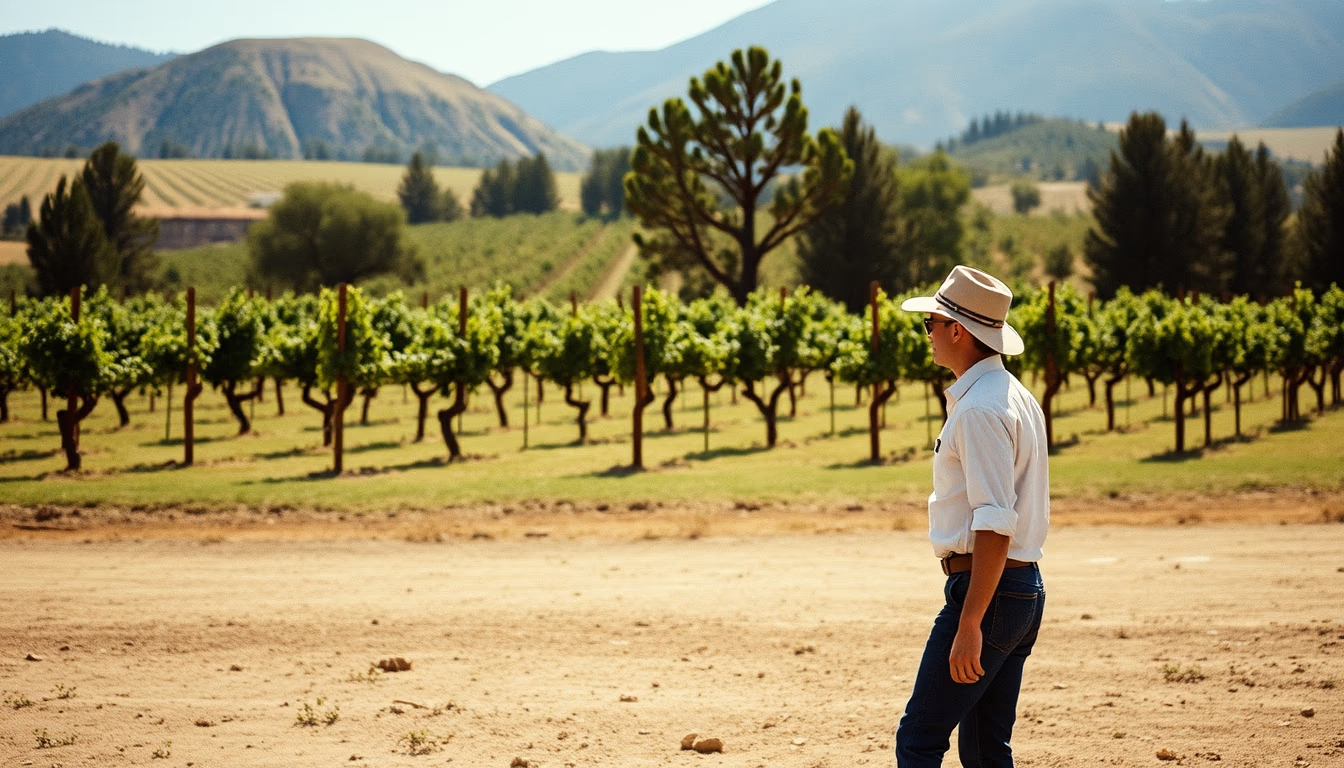
Chianti hills in Tuscany, heart of Italian wine, birthplace of Sangiovese and the Chianti Classico DOCG region.
About this subject
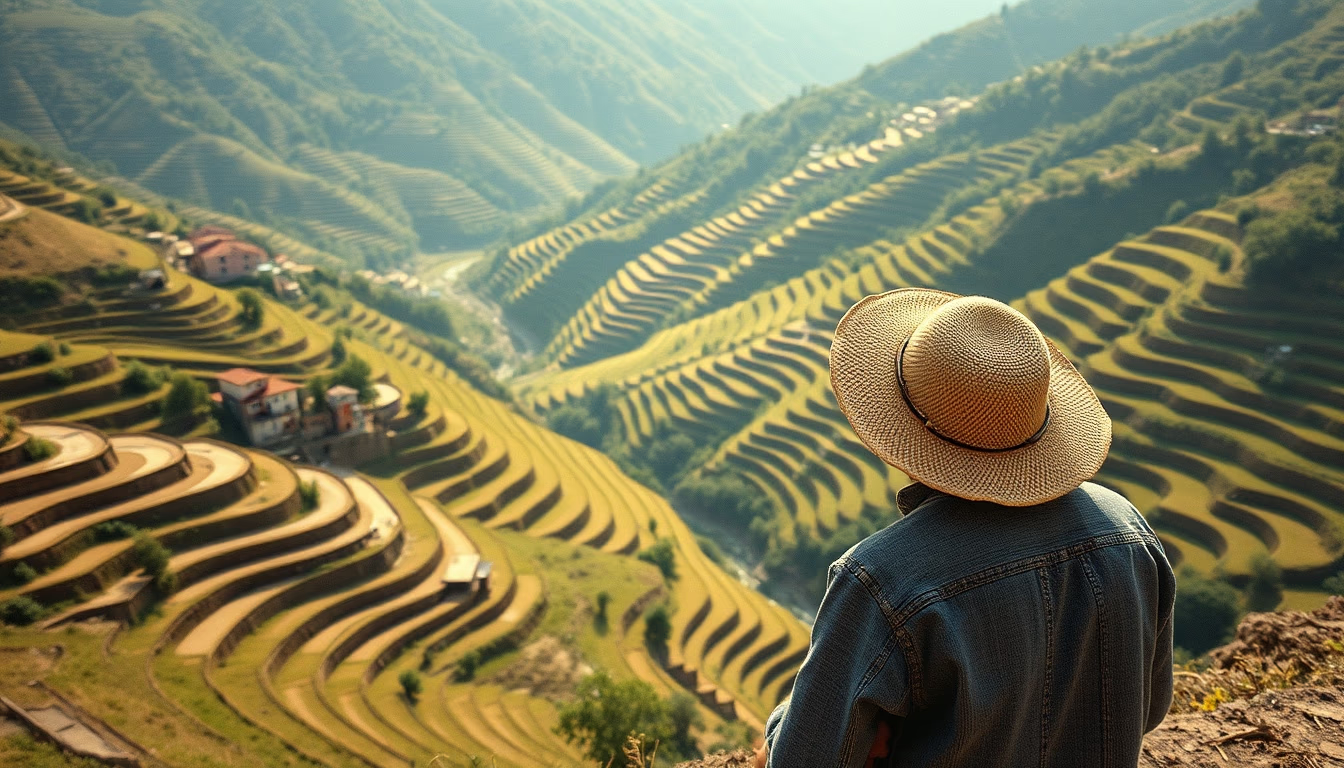
The Chianti hills stretch between Florence and Siena, forming one of the world's most iconic wine landscapes. The region is famous for its terraced vineyards, olive groves, and medieval castles dotting the slopes. The heart of production is the Chianti Classico sub‑region, delimited in 1716 and recognized as DOCG (Denominazione di Origine Controllata e Garantita) since 1984. The symbol of the Gallo Nero (Black Rooster) identifies historic producers, tracing back to a medieval legend about territorial division.
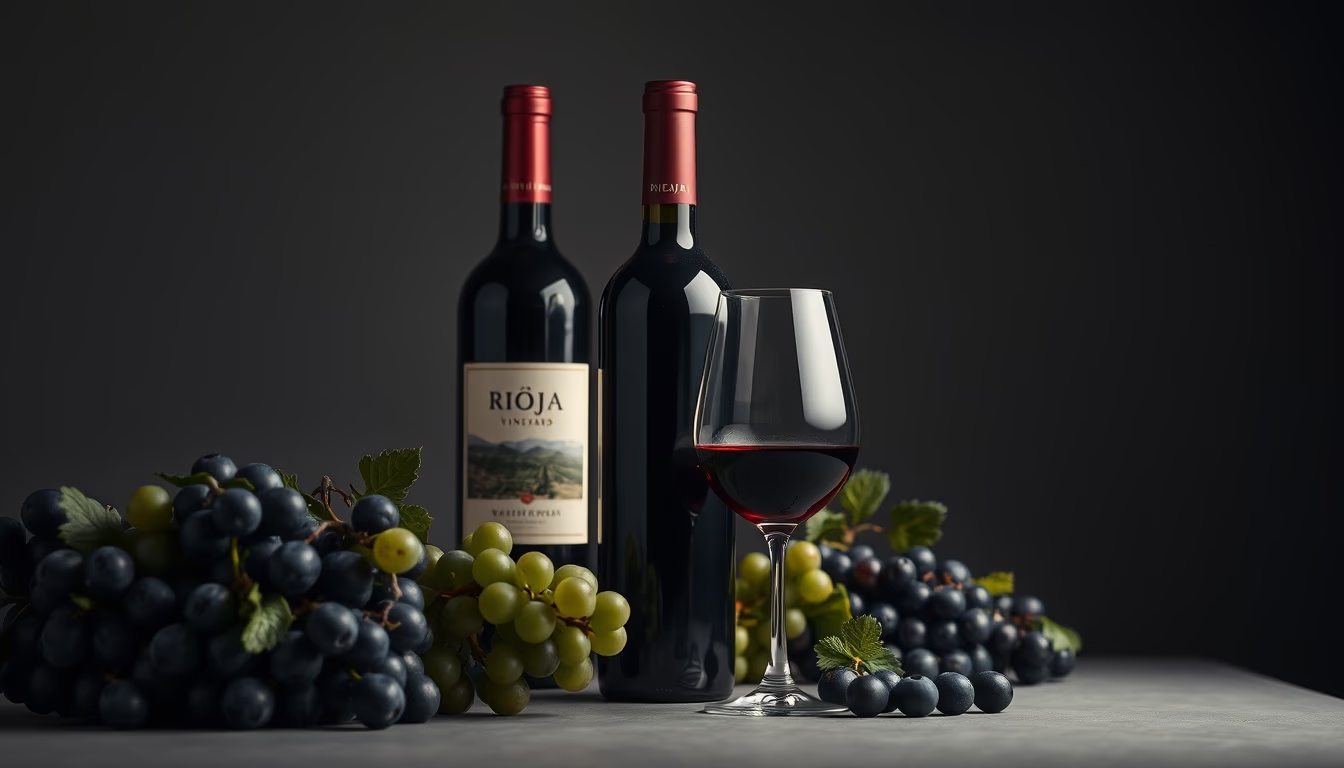
The queen grape of Chianti is Sangiovese, which must compose at least 80% of the blend in Chianti Classico. With notes of cherry, violet, and thyme, Sangiovese expresses the terroir of clay‑limestone and galestro (schist) soils typical of the area. The Mediterranean microclimate, with hot summers and mild winters, combined with an average altitude of 200, 500 meters, provides balanced acidity and tannins. The region also produces renowned superior wines such as Chianti Classico Riserva and Gran Selezione, requiring minimum aging of 24 and 30 months respectively.
Beyond wine, the Chianti hills are a tourist destination for their culinary traditions, such as ribollita and bistecca alla fiorentina, which pair perfectly with the local reds. The landscape was declared a UNESCO World Heritage site in 2013 as part of the Chianti wine region. Open wineries for tastings, seasonal fairs, and trails through the vineyards attract visitors worldwide, solidifying Chianti as a symbol of Tuscan culture.
Interestingly, modern Chianti underwent a revolution in the 1970s when producers like Antinori and Frescobaldi began using oak barrels and reducing the proportion of traditional white grapes. This elevated the quality and international recognition of the wine while preserving the territory's authenticity.
Frequently Asked Questions
What distinguishes Chianti Classico from regular Chianti?
Chianti Classico is produced in the historic original area between Florence and Siena, with stricter rules: minimum 80% Sangiovese, prohibition of white grapes, and minimum aging of 10 months. Regular Chianti can use other grapes and come from broader areas.
What is the significance of the Gallo Nero (Black Rooster) in Chianti?
The Gallo Nero is the symbol of the Consorzio Vino Chianti Classico since 1924. Legend has it that knights from Florence and Siena used roosters to define the region's border, and the black rooster became an emblem of quality and tradition.
What wines are produced in the Chianti hills besides red?
Though famous for red, the region also produces white wines (like Vernaccia di San Gimignano) and Vin Santo, a sweet dessert wine aged in barrels. However, Chianti Classico is predominantly red.
Direct URL
https://pub-c7d6a6ea828543ac903a74a341ccb2e1.r2.dev/imagens/tuscany-chianti-hills-studio-editorial-portrait-fresh8.avifHow to credit
Include a visible link back to UtilizAí. Copy one of the snippets below:
<a href="https://xn--utiliza-eza.com/en/midia/imagens/tuscany-chianti-hills-studio-editorial-portrait-fresh8">Tuscany chianti hills</a> by <a href="https://xn--utiliza-eza.com">UtilizAí</a>, licensed under <a href="https://creativecommons.org/licenses/by/4.0/">CC BY 4.0</a>.
[Tuscany chianti hills](https://xn--utiliza-eza.com/en/midia/imagens/tuscany-chianti-hills-studio-editorial-portrait-fresh8) by [UtilizAí](https://xn--utiliza-eza.com), CC BY 4.0
License: CC-BY-4.0