Tuscany chianti hills
1344×768 · AVIF · CC BY 4.0
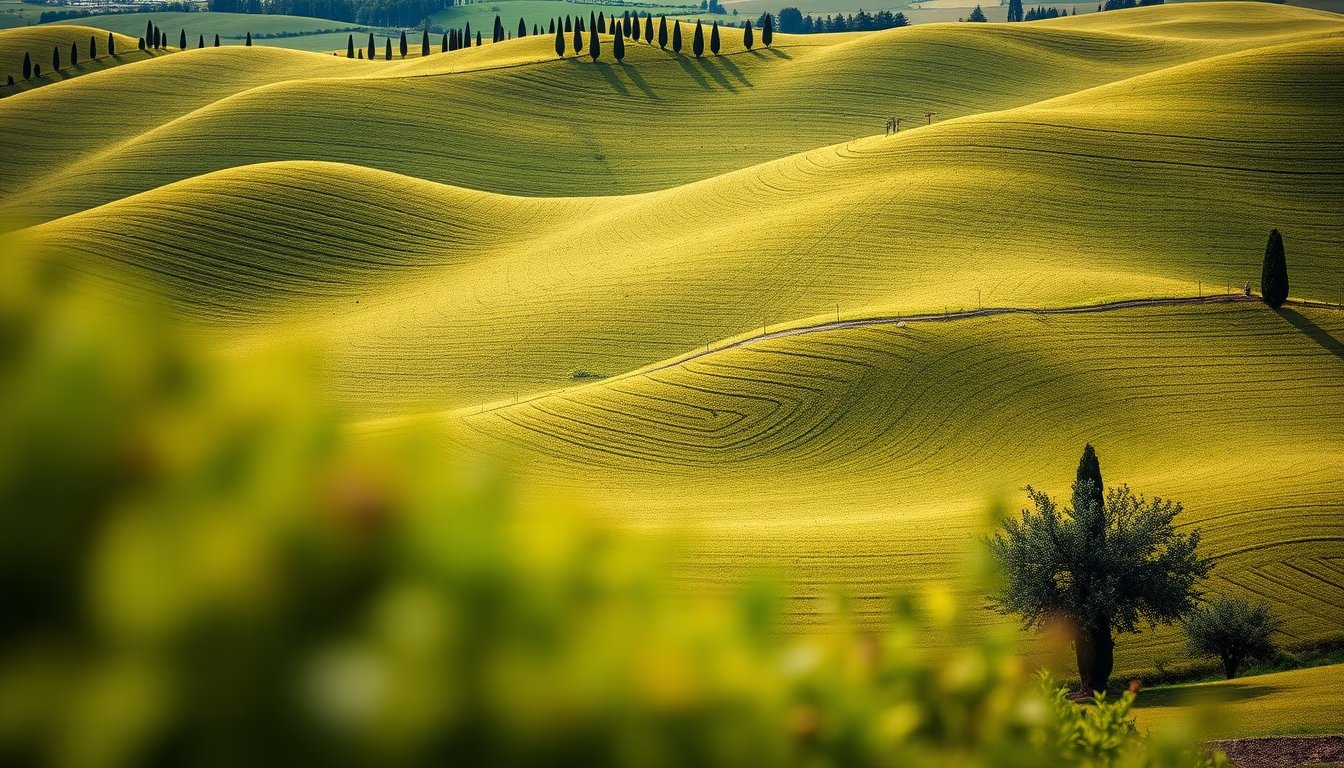
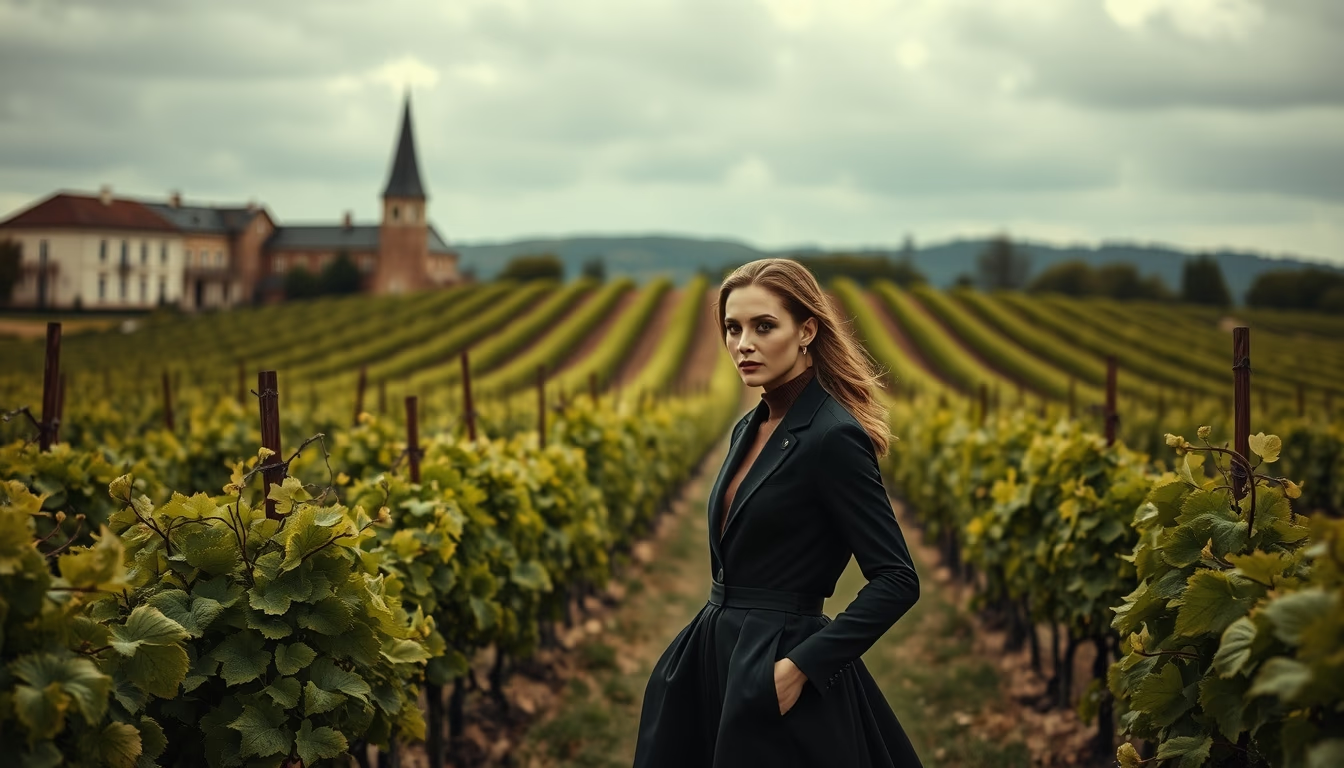
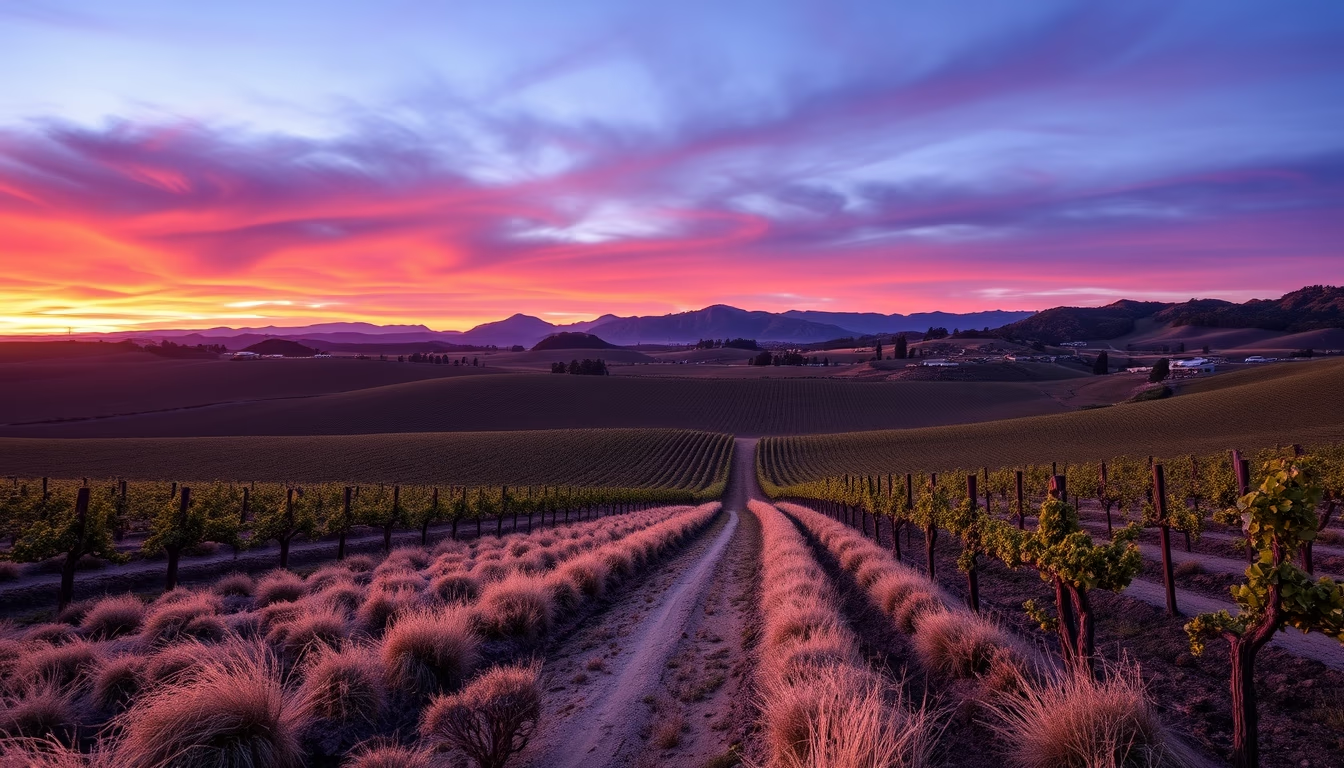
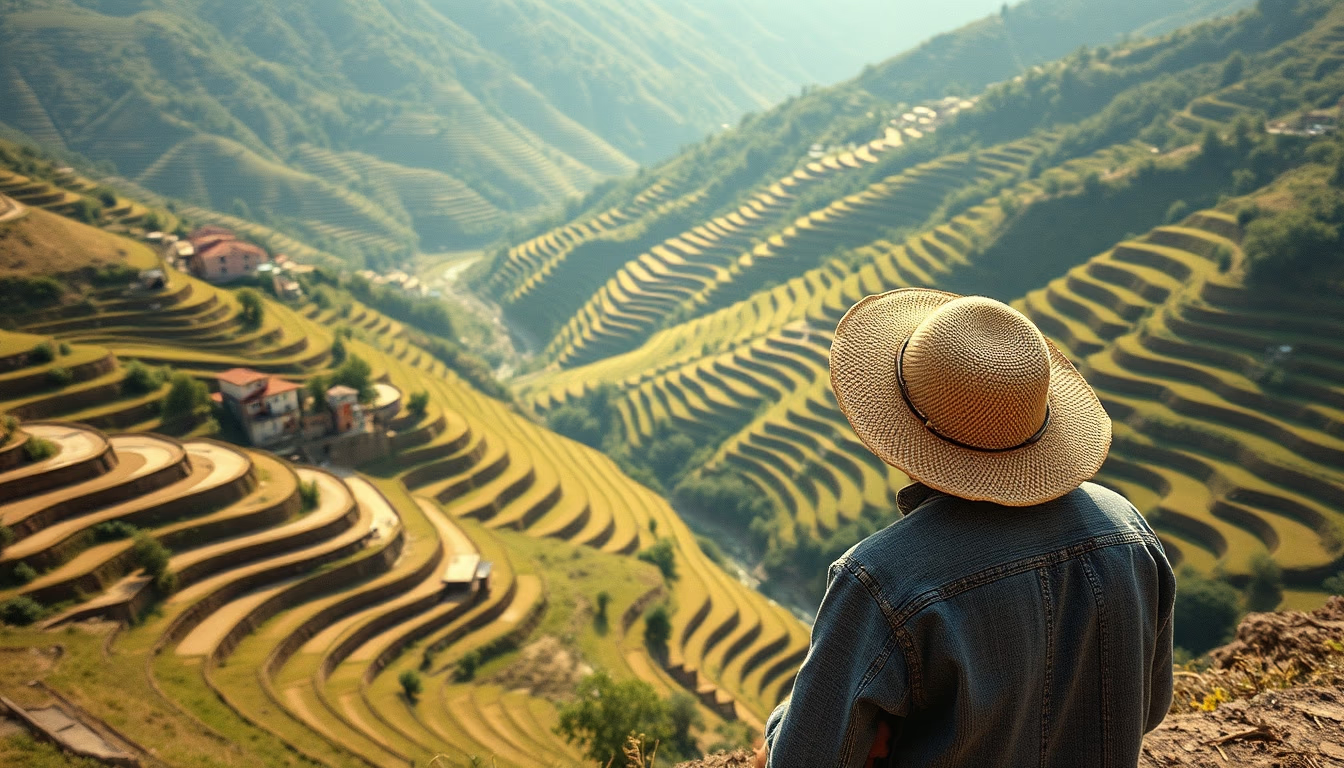
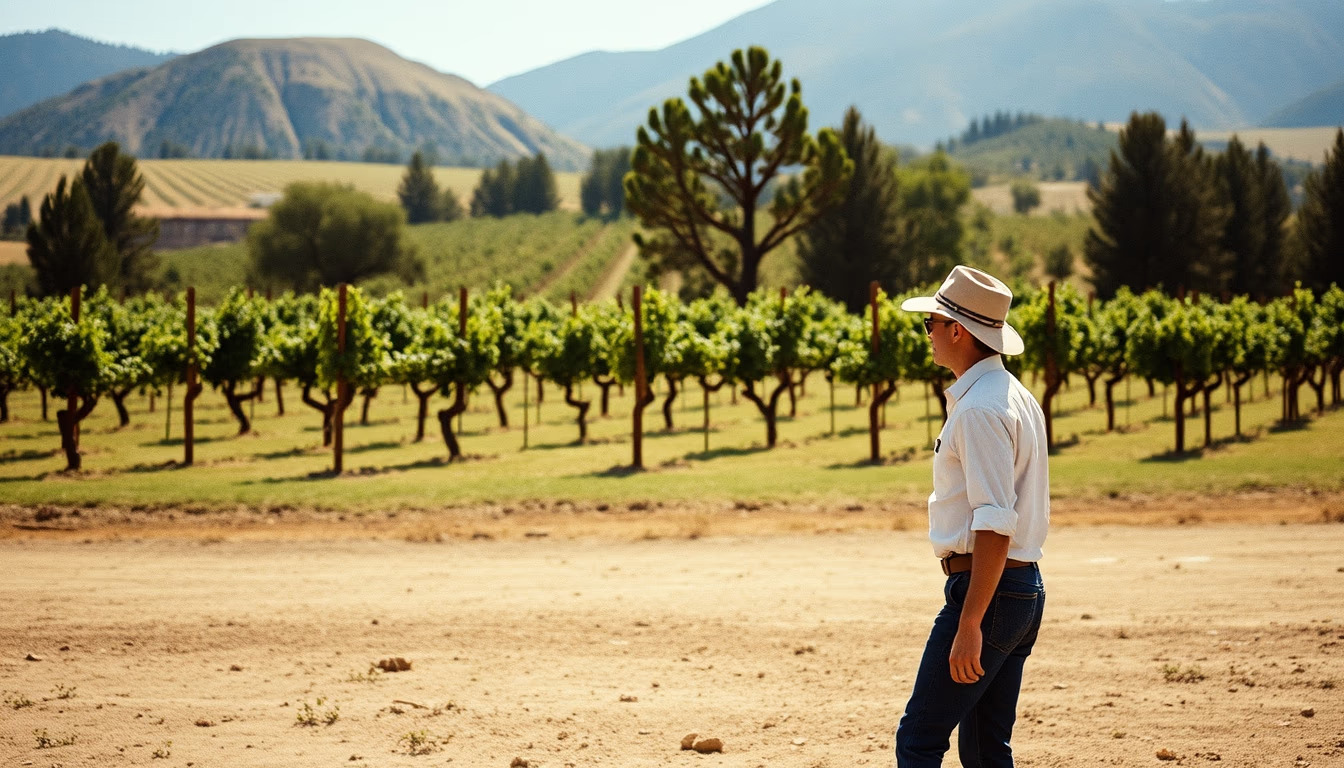
Chianti hills in Tuscany, a world-famous wine region known for its full-bodied red wines and stunning landscapes.
About this subject
The Chianti hills lie at the heart of Tuscany, stretching between Florence and Siena. This hilly area features clay-limestone soils and a Mediterranean climate with hot summers and mild winters, ideal for cultivating the Sangiovese grape. Since 1716, when Grand Duke Cosimo III de' Medici officially delineated the region, Chianti has been recognized as one of the world's first wine zones.
Chianti DOCG wine production is regulated by strict rules requiring at least 80% Sangiovese. Wines from the Chianti Classico subregion, identified by the Black Rooster seal, are the most prestigious. Besides wine, the hills are dotted with olive groves, cypress trees and medieval villages like Greve in Chianti and Radda, attracting wine tourists globally.
The cultural landscape of Chianti was shaped by centuries of agriculture and art. It exemplifies how human intervention harmonized with nature, creating a mosaic of vineyards, woodlands and fields. In 2013, UNESCO recognized the "Vineyard Landscape of Chianti" as a World Heritage Site, highlighting its exceptional value as a living cultural landscape.
Trivia: the name "Chianti" may derive from Etruscan "clante" (water) or Latin "clangor" (trumpet sound), referring to deer noises in the forest. Despite international fame, artisanal production still prevails, with many family-run wineries preserving traditional methods.
Frequently Asked Questions
What is the main grape used in Chianti wine?
The main grape is Sangiovese, which must make up at least 80% of Chianti DOCG wine. It gives the wine cherry and violet notes with firm tannins.
What does the Black Rooster seal on Chianti Classico mean?
The Black Rooster (Gallo Nero) is the symbol of the Chianti Classico Consortium, indicating the wine was produced in the historic original region and meets stricter quality standards.
Why are the Chianti hills a UNESCO World Heritage site?
In 2013, UNESCO recognized the vineyard landscape of Chianti for its unique blend of human labor and nature, expressed through centuries-old vineyards, villages and sustainable farming practices.
Direct URL
https://pub-c7d6a6ea828543ac903a74a341ccb2e1.r2.dev/imagens/tuscany-chianti-hills-macro-closeup-fresh10.avifHow to credit
Include a visible link back to UtilizAí. Copy one of the snippets below:
<a href="https://xn--utiliza-eza.com/en/midia/imagens/tuscany-chianti-hills-macro-closeup-fresh10">Tuscany chianti hills</a> by <a href="https://xn--utiliza-eza.com">UtilizAí</a>, licensed under <a href="https://creativecommons.org/licenses/by/4.0/">CC BY 4.0</a>.
[Tuscany chianti hills](https://xn--utiliza-eza.com/en/midia/imagens/tuscany-chianti-hills-macro-closeup-fresh10) by [UtilizAí](https://xn--utiliza-eza.com), CC BY 4.0
License: CC-BY-4.0