Tuscany chianti hills
1344×768 · AVIF · CC BY 4.0
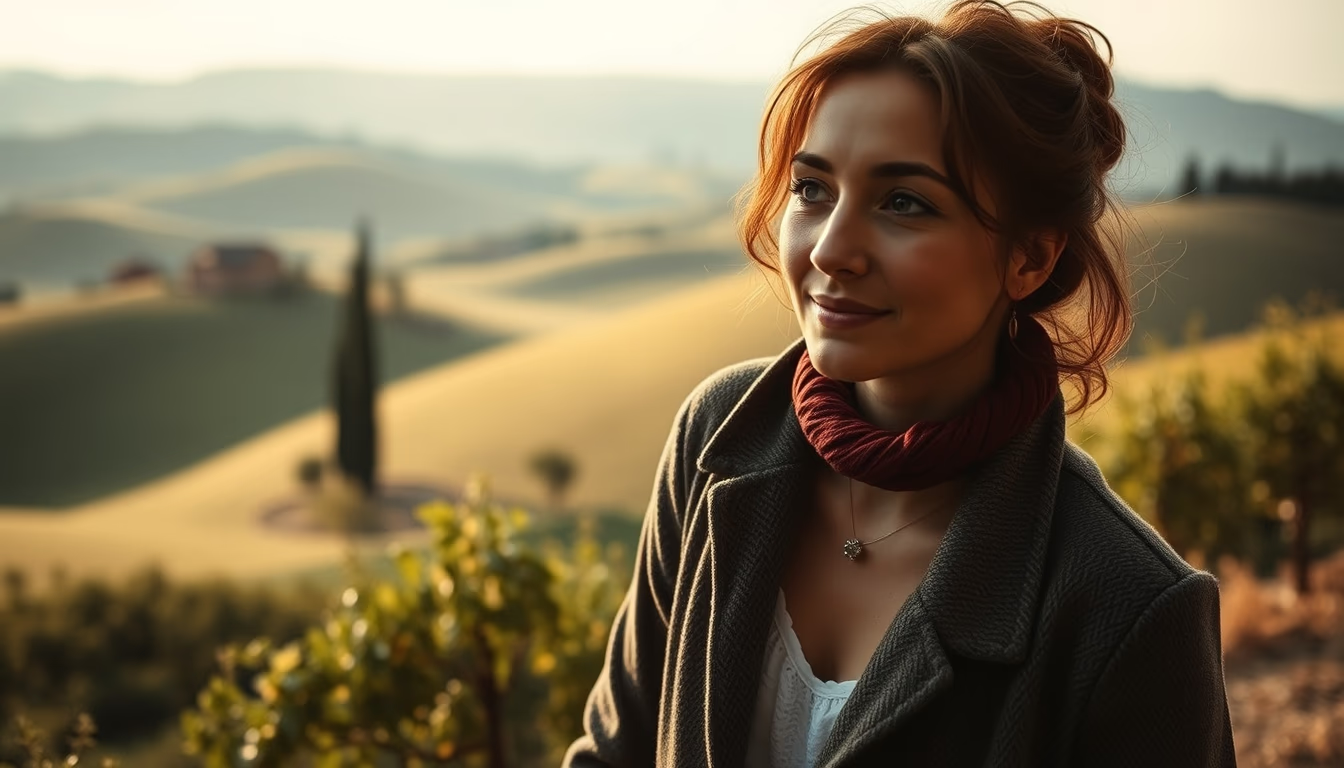
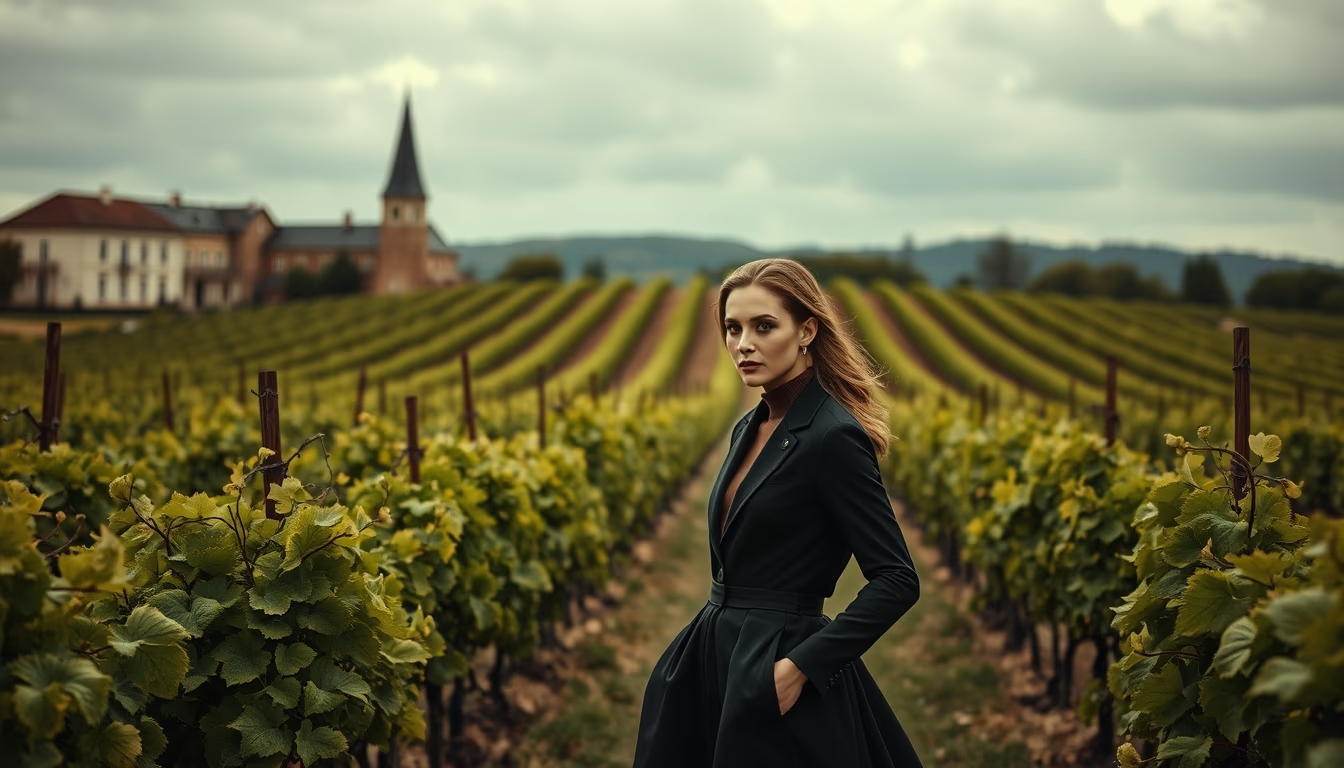
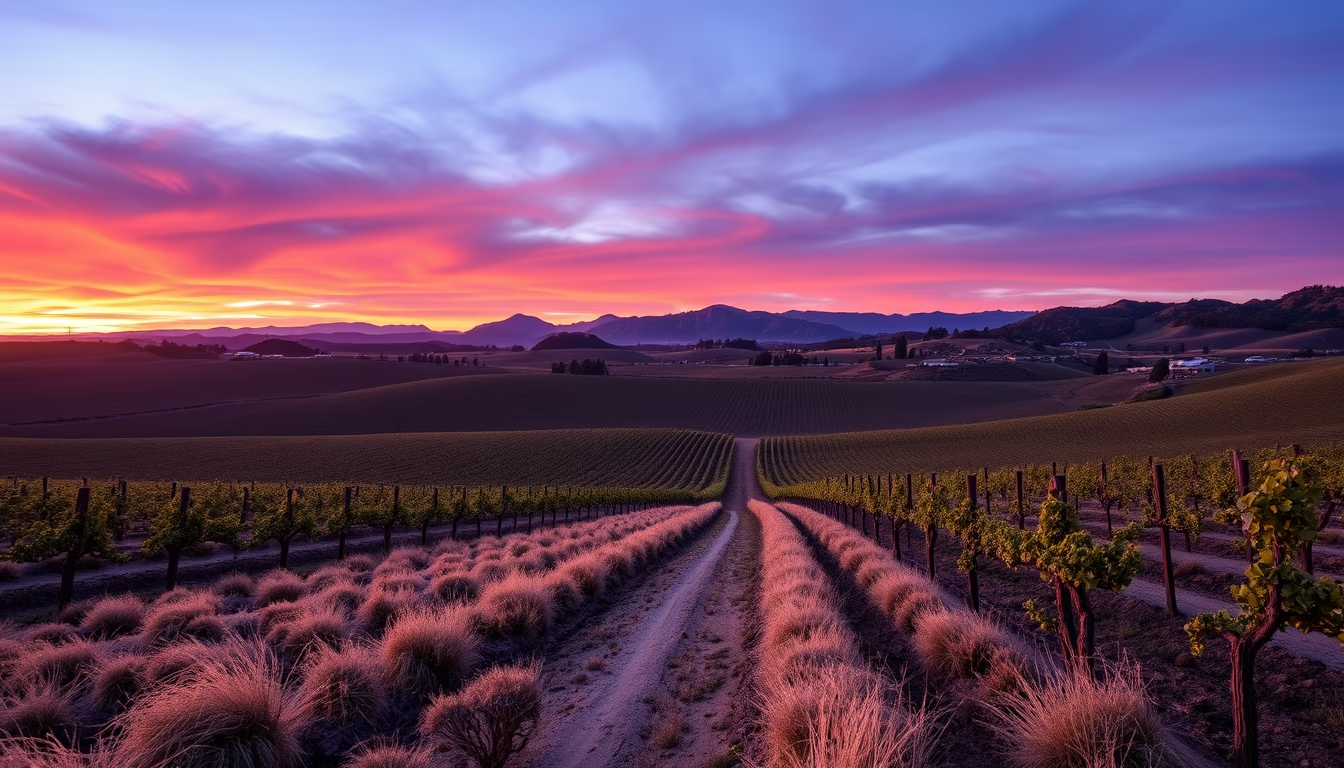
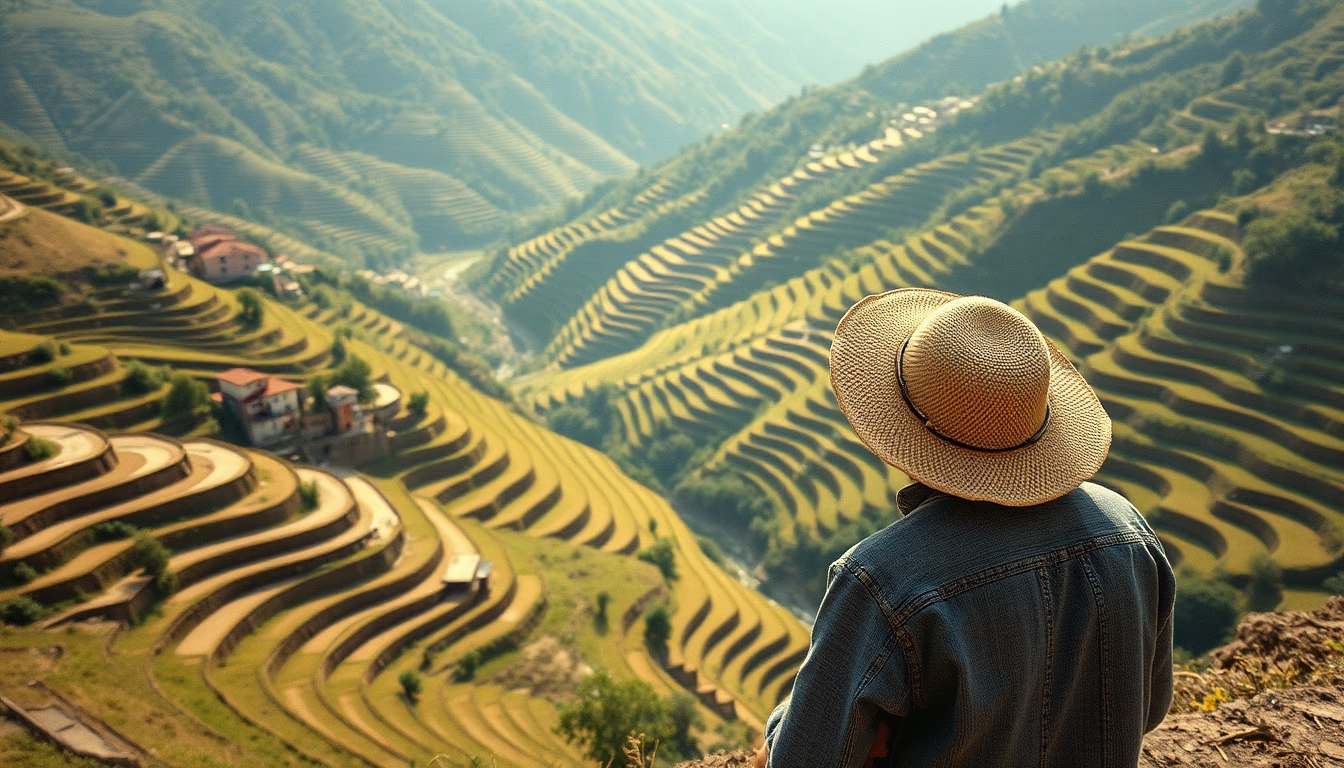
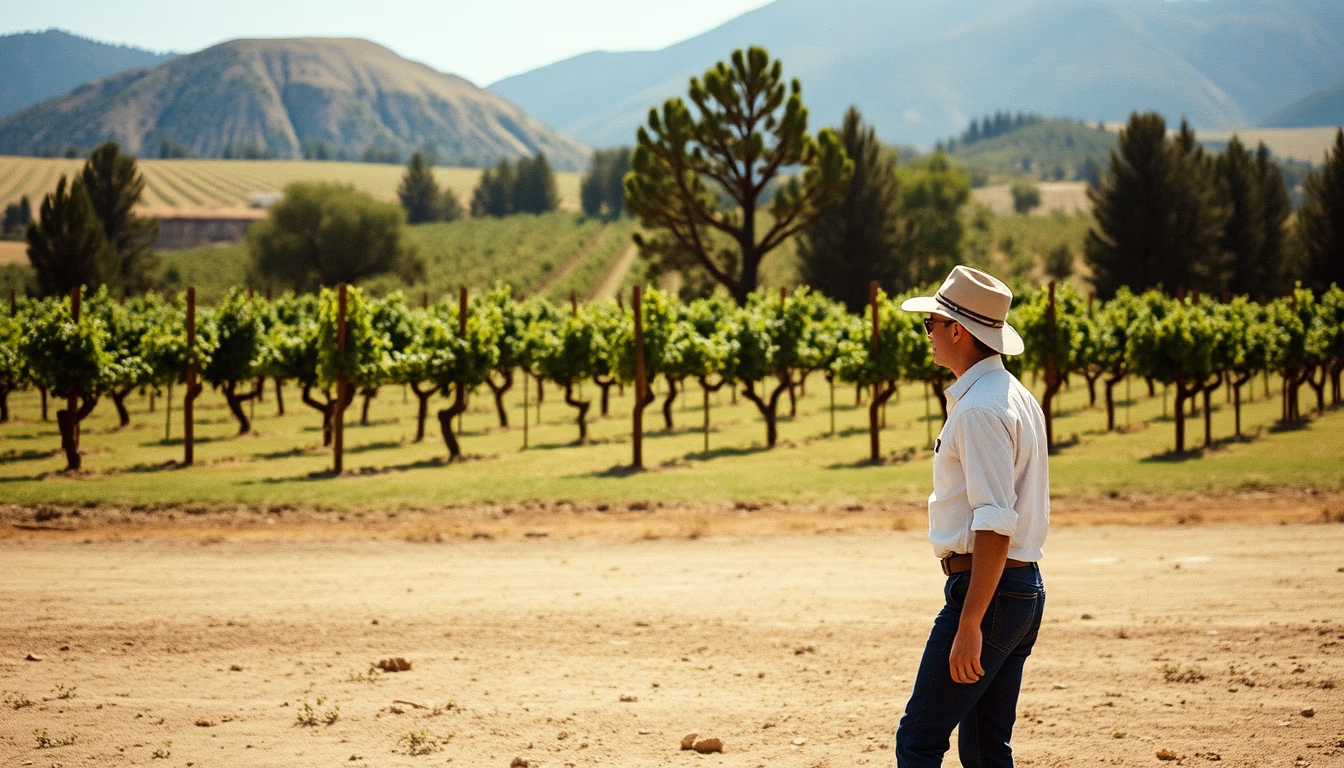
The Chianti hills in Tuscany form one of the world's most iconic wine regions, with vineyards, olive groves, and medieval castles.
About this subject
Located in the heart of Tuscany, the Chianti hills stretch between the provinces of Florence and Siena, covering an area of approximately 260 km². The region is world-famous for its namesake red wine, primarily produced from the Sangiovese grape. The Chianti Classico denomination, established in 1716 by Grand Duke Cosimo III de' Medici, is the oldest in Italy and defines the most traditional central zone, recognized by the Black Rooster seal.
The landscape is characterized by gentle hills, often covered with terraced vineyards interspersed with oak forests and cypress trees. The region's wineries, many family-owned and historic, produce wines ranging from young and fruity to reserve aged in oak barrels. Besides wine, Chianti is known for its extra virgin olive oil, which holds the DOP Chianti Classico designation.
The territory is dotted with medieval villages and castles, such as Greve in Chianti, Radda, and Castellina, attracting visitors for wine tourism and local cuisine. The region has also inspired works of art and literature, featured in films like "Under the Tuscan Sun." The hills are traversed by scenic roads like the Chiantigiana (SR 222), connecting Florence to Siena, offering stunning views.
Geologically, the soils are predominantly clay and limestone, ideal for Sangiovese cultivation. The Mediterranean climate, with hot summers and mild winters, contributes to grape ripening. Wine production in the area dates back to Etruscan times, but it was in the 13th century that Florentine merchants began exporting Chianti wine throughout Europe.
Frequently Asked Questions
What is the difference between Chianti and Chianti Classico?
Chianti is the general denomination for wines produced throughout the Chianti region, while Chianti Classico is a more ancient and restricted sub-region recognized by the Black Rooster seal. Classico wines tend to be fuller-bodied and have greater aging potential.
Which grape is used in Chianti wine?
The main grape is Sangiovese, which must compose at least 80% of the blend in Chianti Classico. Other allowed grapes include Canaiolo, Colorino, and international varieties like Cabernet Sauvignon and Merlot.
How to visit the Chianti hills?
The region is easily accessible from Florence or Siena. Renting a car allows you to explore scenic roads, visit wineries like Antinori and Castello di Verrazzano, and taste wines and olive oils directly from the producers.
Direct URL
https://pub-c7d6a6ea828543ac903a74a341ccb2e1.r2.dev/imagens/tuscany-chianti-hills-documentary-photography-fresh6.avifHow to credit
Include a visible link back to UtilizAí. Copy one of the snippets below:
<a href="https://xn--utiliza-eza.com/en/midia/imagens/tuscany-chianti-hills-documentary-photography-fresh6">Tuscany chianti hills</a> by <a href="https://xn--utiliza-eza.com">UtilizAí</a>, licensed under <a href="https://creativecommons.org/licenses/by/4.0/">CC BY 4.0</a>.
[Tuscany chianti hills](https://xn--utiliza-eza.com/en/midia/imagens/tuscany-chianti-hills-documentary-photography-fresh6) by [UtilizAí](https://xn--utiliza-eza.com), CC BY 4.0
License: CC-BY-4.0