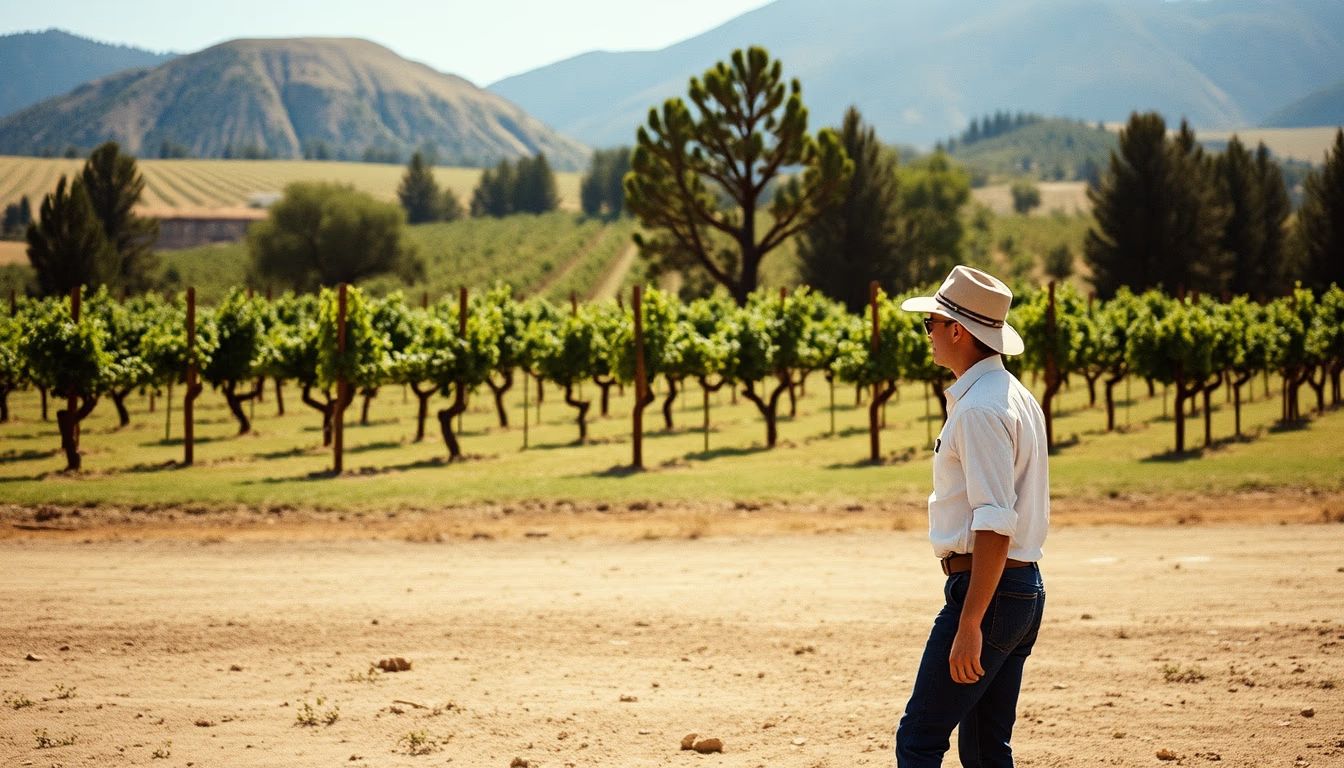
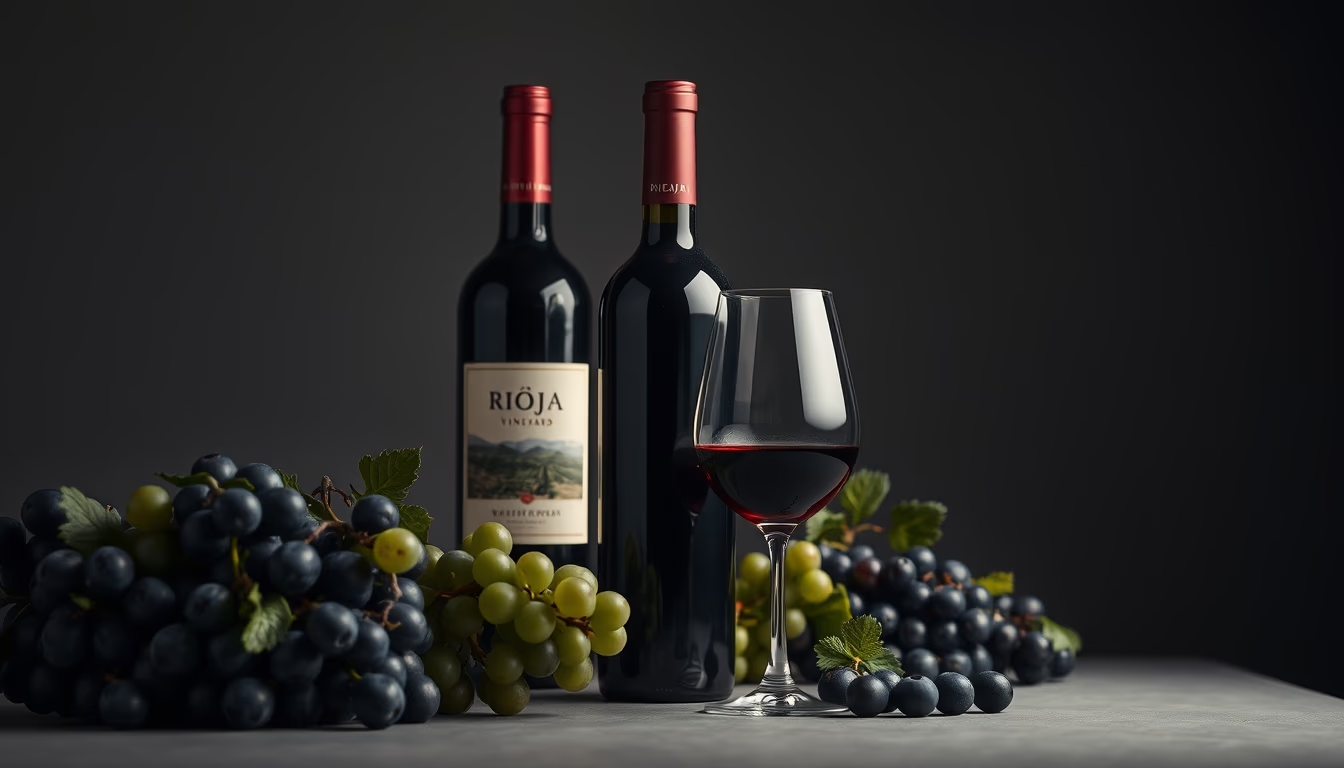
Tuscany chianti hills
1344×768 · AVIF · CC BY 4.0
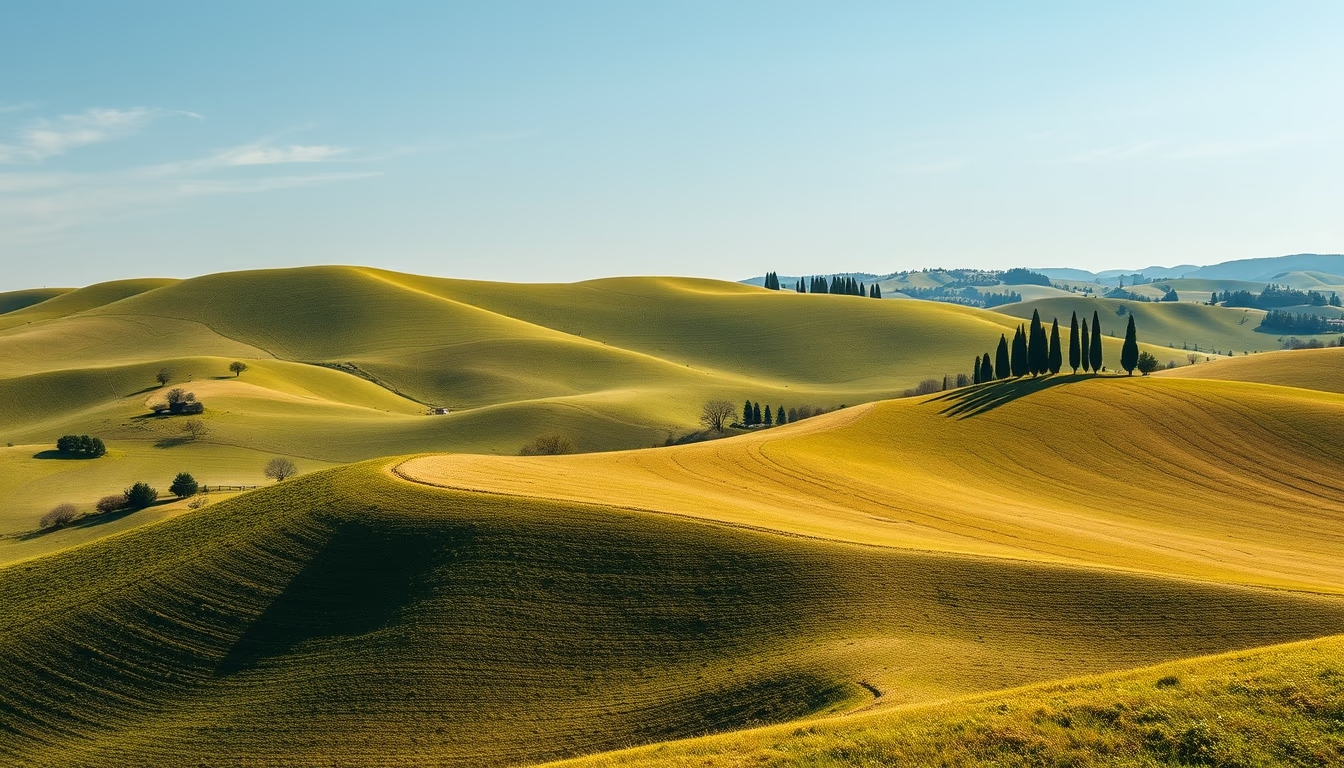
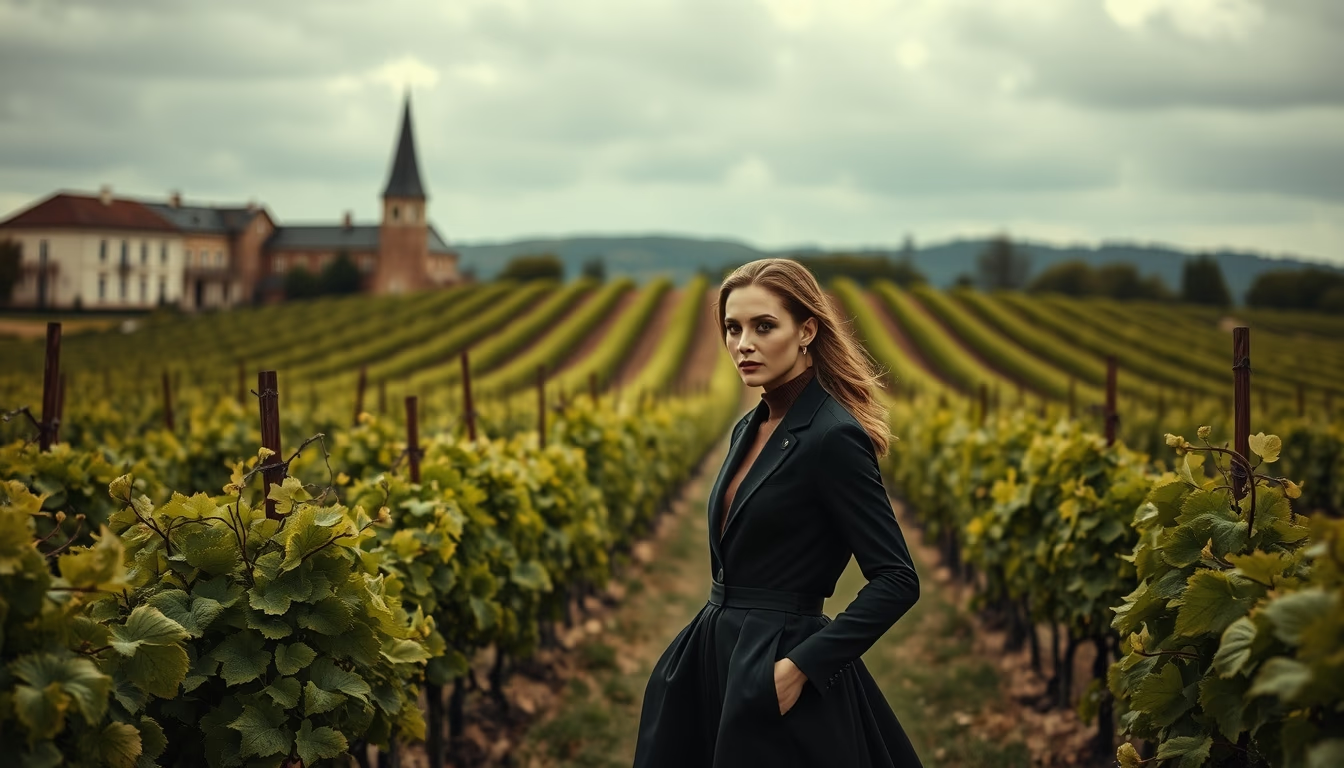
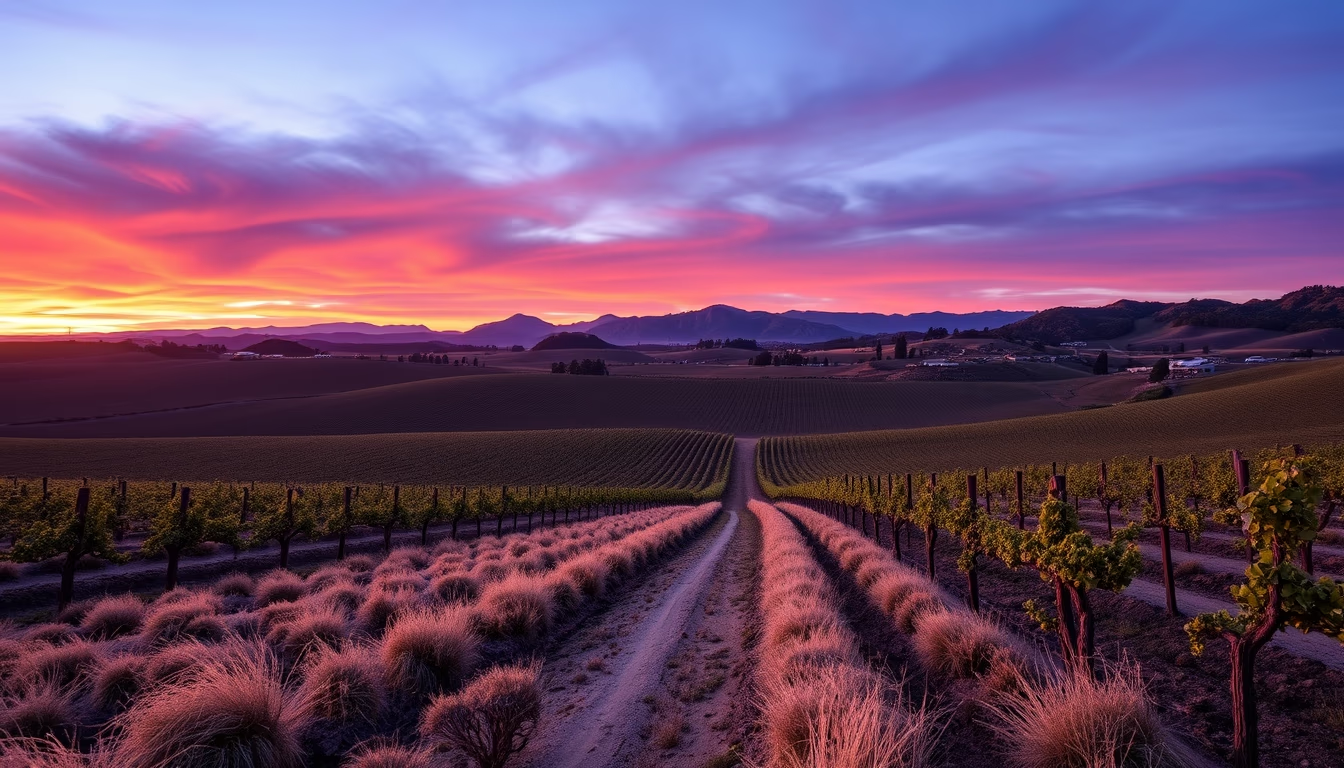
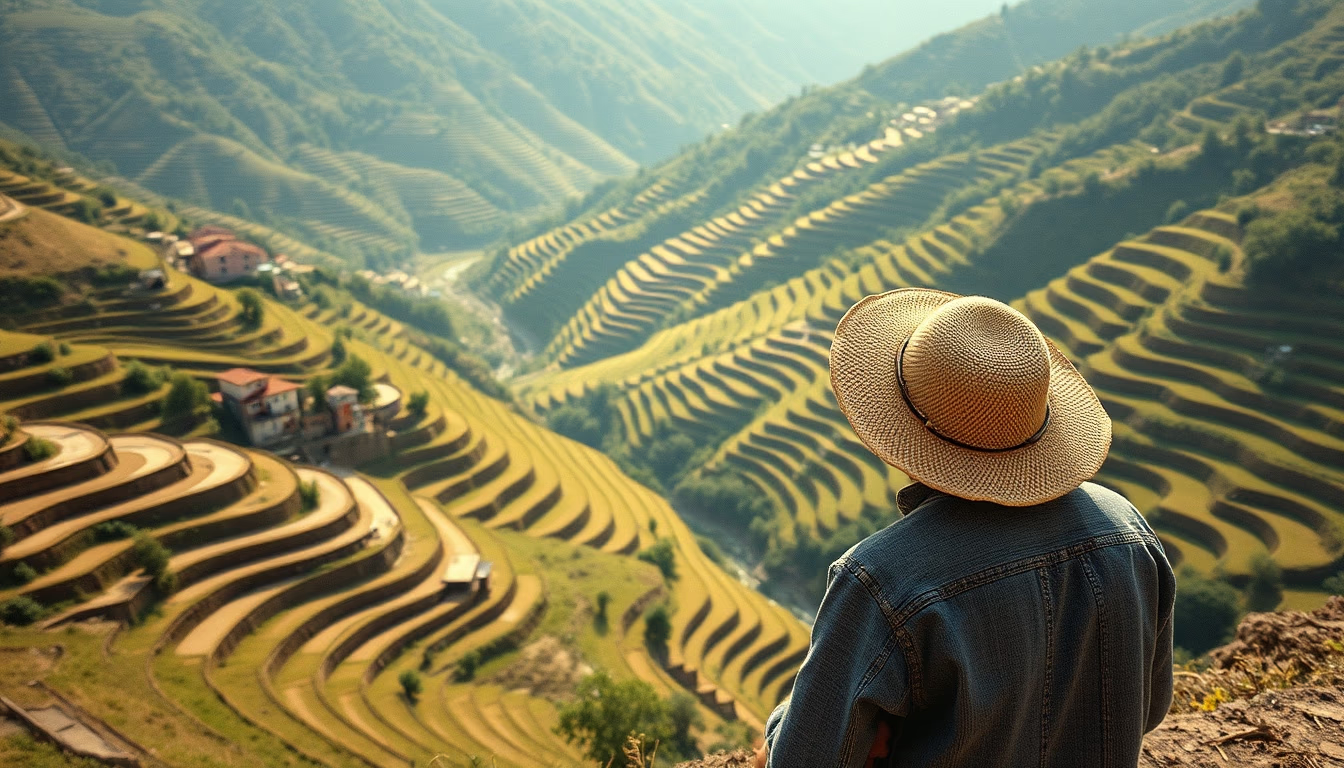
The Chianti hills in Tuscany, famous for their vineyards and olive oil, form one of Italy's most iconic landscapes.
About this subject
Located between Florence and Siena, the Chianti region is the heart of Tuscan wine production. Its rolling hills are covered with vineyards of Sangiovese, the king grape of Chianti, and centuries-old olive trees that yield extra virgin olive oil with Protected Designation of Origin (PDO). The landscape is dotted with medieval castles, fortified villages, and Romanesque churches, testaments to a history dating back to the Etruscans.
Chianti wine is one of Italy's most renowned, especially Chianti Classico, which bears the Gallo Nero (Black Rooster) seal of the Consorzio Vino Chianti Classico. The region is divided into subzones such as Chianti Rufina, Chianti Montalbano, and Chianti Colli Fiorentini, each with unique soil and microclimate characteristics. Besides wine, the local cuisine features dishes like ribollita (bread and vegetable soup), bistecca alla fiorentina, and aged pecorino cheese.
Wine and food tourism is intense, with visitors traveling the Chiantigiana Wine Road (SR222) and exploring hilltop towns like Greve in Chianti, Radda, and Castellina. The region is also known for its truffle fairs and seasonal festivals. The Chianti hills offer hiking trails, cycling routes, and panoramic views that have inspired artists and photographers for centuries.
Frequently Asked Questions
What distinguishes Chianti Classico from regular Chianti?
Chianti Classico is produced in the historic original zone between Florence and Siena, following stricter production rules: minimum 80% Sangiovese, mandatory aging, and sensory standards. Its symbol is the Gallo Nero (Black Rooster).
What are the main grape varieties used in Chianti wine?
The primary grape is Sangiovese, which must be at least 70% in the base Chianti; for Chianti Classico, it is at least 80%. Allowed complementary grapes include Canaiolo, Colorino, and international varieties like Cabernet Sauvignon and Merlot.
What is the best time to visit the Chianti hills?
Spring (April to June) and autumn (September to October) offer mild weather and greener or colorful landscapes. Autumn is harvest time with local sagre (festivals). Summer can be hot, but evenings are pleasant.
Direct URL
https://pub-c7d6a6ea828543ac903a74a341ccb2e1.r2.dev/imagens/tuscany-chianti-hills-documentary-nature-style-fresh15.avifHow to credit
Include a visible link back to UtilizAí. Copy one of the snippets below:
<a href="https://xn--utiliza-eza.com/en/midia/imagens/tuscany-chianti-hills-documentary-nature-style-fresh15">Tuscany chianti hills</a> by <a href="https://xn--utiliza-eza.com">UtilizAí</a>, licensed under <a href="https://creativecommons.org/licenses/by/4.0/">CC BY 4.0</a>.
[Tuscany chianti hills](https://xn--utiliza-eza.com/en/midia/imagens/tuscany-chianti-hills-documentary-nature-style-fresh15) by [UtilizAí](https://xn--utiliza-eza.com), CC BY 4.0
License: CC-BY-4.0